Environmental Factors Influencing Early Childhood Development: A Complete Guide for Parents and Educators
Updated: 07/06/2026
78
Environmental factors influencing early childhood development play a significant role in shaping a child’s physical, cognitive, emotional, and social growth. The first years of life represent a period of rapid brain development, making children highly sensitive to the conditions around them. Every interaction, experience, and environmental exposure contributes to the foundation of future learning, behavior, health, and well-being.
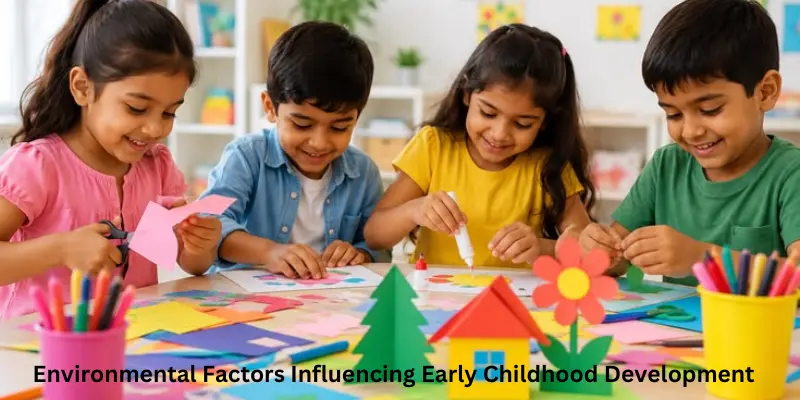
Research in child development consistently demonstrates that genetics provide the blueprint, while environmental conditions determine how that blueprint unfolds. Children thrive when they grow up in nurturing, safe, stimulating, and supportive environments. Adverse conditions, including pollution, chronic stress, poor nutrition, and limited learning opportunities, may hinder developmental progress.
Parents, caregivers, educators, healthcare professionals, and policymakers all contribute to creating environments that support healthy childhood development. Understanding these influences helps families make informed decisions that promote positive outcomes throughout a child’s life. The article Emotional Intelligence in Children is very helping in this regard.
Why Environmental Factors Matter During Early Childhood
Early childhood spans from birth to approximately eight years of age. During this period, neural connections form at extraordinary rates. Experiences encountered during these years shape brain architecture and influence future academic performance, emotional regulation, social competence, and physical health.
Environmental influences affect:
- Brain development
- Language acquisition
- Emotional resilience
- Social interaction skills
- Physical growth
- Behavioral patterns
- Academic readiness
Children exposed to supportive environments often demonstrate stronger cognitive abilities, healthier Emotional Development, and better social adjustment.
How Family Environment Influences Early Childhood Development
The family environment represents the most immediate and influential setting in a child’s life.
Emotional Security and Attachment
Secure attachments formed with parents and caregivers create a foundation for healthy emotional development. Responsive caregiving helps children develop trust, confidence, and emotional stability.
Children who experience consistent affection and support are more likely to:
- Develop self-esteem
- Manage emotions effectively
- Build healthy relationships
- Adapt to challenges
Parenting Styles
Parenting approaches significantly influence developmental outcomes.
Authoritative parenting, characterized by warmth and appropriate boundaries, is associated with:
- Better academic performance
- Strong social skills
- Emotional regulation
- Higher self-confidence
Supportive parenting practices foster an environment where children feel safe exploring and learning.
The Impact of Nutrition on Early Childhood Growth and Brain Development
Nutrition serves as a cornerstone of healthy development.
Brain Development and Nutrients
Young brains require adequate nutrients to support cognitive growth and neural connectivity.
Essential nutrients include:
- Protein
- Iron
- Zinc
- Omega-3 fatty acids
- Calcium
- Vitamin D
- Folate
Deficiencies during critical developmental stages may affect learning, memory, and attention.
Long-Term Benefits of Healthy Eating
Nutritious diets support:
- Physical growth
- Immune system function
- Concentration
- Emotional stability
- School readiness
Healthy eating habits established during childhood often continue into adulthood.
How Socioeconomic Status Affects Child Development Outcomes
Socioeconomic conditions influence access to resources that support development.
Access to Educational Resources
Families with greater economic stability often have increased access to:
- Books
- Educational toys
- Quality childcare
- Early learning programs
- Technology resources
These opportunities enrich cognitive development and language acquisition.
Housing and Neighborhood Conditions
Safe housing and stable communities contribute to positive developmental experiences. Children living in secure environments generally experience fewer stressors and greater opportunities for exploration and learning.
The Role of Early Learning Environments in Cognitive Development
Educational settings significantly influence early childhood development.
Quality Preschool Programs
High-quality early childhood programs provide:
- Structured learning experiences
- Social interaction opportunities
- Language development activities
- Problem-solving experiences
Children who attend quality preschool programs often demonstrate stronger academic readiness.
Teacher-Child Relationships
Supportive educator relationships encourage:
- Curiosity
- Confidence
- Communication skills
- Emotional growth
Positive interactions help children feel valued and capable.
Environmental Pollution and Its Effects on Young Children
Environmental pollution presents growing concerns for childhood development.
Air Pollution Exposure
Exposure to polluted air may impact:
- Respiratory health
- Cognitive functioning
- Brain development
- Attention span
Children are particularly vulnerable because their bodies and brains are still developing.
Water and Soil Contamination
Contaminants such as lead and other toxins may affect:
- Learning ability
- Behavioral regulation
- Physical health
- Neurological development
Reducing exposure to environmental hazards supports healthier developmental outcomes.
How Screen Time and Digital Environments Influence Child Development
Digital technology has become a major environmental influence.
Benefits of Educational Technology
When used appropriately, digital tools may support:
- Early literacy
- Problem-solving
- Creativity
- Interactive learning
Risks of Excessive Screen Exposure
Excessive screen time may contribute to:
- Reduced physical activity
- Sleep disturbances
- Attention difficulties
- Limited social interaction
Balanced technology use remains important for healthy development.
The Influence of Physical Activity and Outdoor Play on Childhood Growth
Physical activity contributes to multiple developmental domains.
Physical Benefits
Active play promotes:
- Muscle development
- Coordination
- Balance
- Cardiovascular health
Cognitive and Emotional Benefits
Outdoor exploration encourages:
- Creativity
- Problem-solving
- Confidence
- Stress reduction
Nature-based experiences provide valuable opportunities for learning and discovery.
How Community and Neighborhood Environments Shape Development
Communities influence children’s experiences beyond the home.
Safe Neighborhoods
Children benefit from neighborhoods that provide:
- Safe play areas
- Community resources
- Recreational opportunities
- Social support networks
Social Connections
Community involvement helps children develop:
- Communication skills
- Cultural awareness
- Social competence
- Sense of belonging
Positive community environments strengthen developmental outcomes.
The Impact of Stress and Adverse Childhood Experiences
Stress significantly influences child development.
Toxic Stress
Prolonged exposure to severe stress may affect:
- Brain architecture
- Emotional regulation
- Learning capacity
- Physical health
Sources may include:
- Family conflict
- Neglect
- Abuse
- Chronic instability
Protective Factors
Supportive relationships can buffer the effects of stress and promote resilience.
Protective influences include:
- Caring adults
- Stable routines
- Positive social connections
- Access to support services
How Language-Rich Environments Support Early Childhood Development
Language exposure strongly influences communication and literacy skills.
Early Conversations Matter
Children learn language through interaction.
Activities that promote language development include:
- Reading aloud
- Storytelling
- Singing
- Daily conversations
Vocabulary Growth
Frequent language exposure expands vocabulary and strengthens cognitive development.
Children who experience language-rich environments often enter school with stronger communication abilities.
Cultural Influences on Early Childhood Development
Culture shapes values, beliefs, and developmental expectations.
Cultural Identity
Strong cultural connections help children develop:
- Self-awareness
- Confidence
- Belonging
- Social understanding
Diverse Learning Experiences
Exposure to cultural diversity promotes:
- Empathy
- Respect
- Adaptability
- Global awareness
Cultural experiences enrich social and emotional growth.
Sleep Environment and Its Importance for Child Development
Sleep is essential for healthy development.
Brain Function and Learning
Quality sleep supports:
- Memory consolidation
- Emotional regulation
- Attention
- Learning processes
Creating Healthy Sleep Environments
Helpful strategies include:
- Consistent bedtime routines
- Comfortable sleeping spaces
- Reduced screen exposure before bedtime
- Appropriate room temperature
Adequate sleep contributes to overall well-being and developmental success.
How Positive Environmental Factors Promote Healthy Childhood Development
Several environmental conditions consistently support healthy growth.
Key positive influences include:
- Responsive caregiving
- Nutritious food
- Safe housing
- Educational opportunities
- Physical activity
- Community support
- Access to healthcare
- Emotional security
Children exposed to multiple protective factors often experience stronger developmental outcomes.
Practical Strategies for Parents and Caregivers
Families can actively create environments that support development.
Effective strategies include:
- Reading daily with children
- Encouraging outdoor play
- Limiting excessive screen use
- Providing nutritious meals
- Maintaining predictable routines
- Supporting emotional expression
- Creating safe home environments
- Building positive relationships
Small daily actions can significantly influence long-term development.
AI-Powered Early Childhood Learning Tools and Development Outcomes
AI-powered learning tools are transforming early childhood education by providing personalized learning experiences tailored to individual developmental needs. These technologies can adapt educational content based on a child’s progress, helping improve language acquisition, problem-solving skills, and cognitive development. Interactive AI applications also support engagement through gamified learning activities that encourage curiosity and creativity. While these tools offer significant educational benefits, balanced use alongside human interaction remains essential for healthy social and emotional development.
Climate Change Effects on Children’s Health and Development
Climate change increasingly affects children’s health and developmental outcomes through rising temperatures, extreme weather events, and declining air quality. Young children are particularly vulnerable because their bodies and immune systems are still developing. Heat stress, respiratory illnesses, food insecurity, and disruptions to education can negatively impact physical growth and cognitive development. Communities that prioritize environmental sustainability and climate resilience help protect children’s well-being and future opportunities.
Smart Home Technology and Child Safety Monitoring
Smart home technology is becoming an important component of modern child safety and developmental support. Devices such as smart cameras, air quality monitors, motion sensors, and connected baby monitors allow parents to create safer home environments. These technologies can help identify potential hazards, monitor sleep patterns, and improve household safety. When used responsibly, smart home systems support parental awareness while promoting secure environments that contribute to healthy childhood development.
Impact of Microplastics Exposure on Early Childhood Health
Growing concerns about microplastics exposure have raised important questions regarding children’s health and development. Microplastics can be found in food, water, household products, and indoor environments. Research suggests that prolonged exposure may contribute to inflammation, hormonal disruption, and potential developmental risks. Reducing plastic use, choosing safer materials, and maintaining clean indoor environments can help minimize children’s exposure and support healthier developmental outcomes.
Urban Green Spaces and Cognitive Development in Young Children
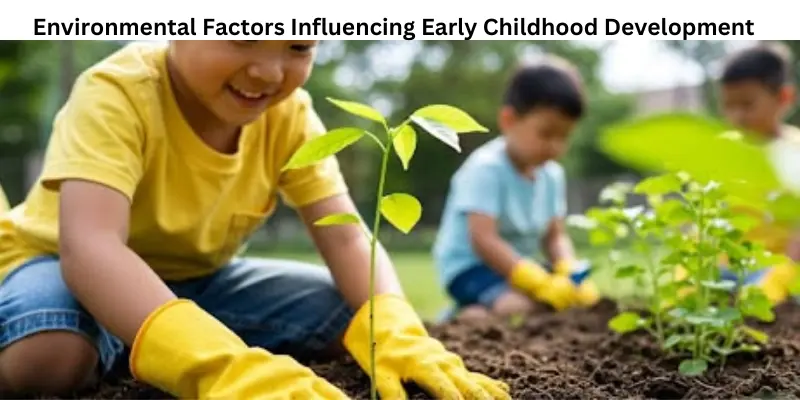
Access to urban green spaces plays a significant role in supporting cognitive and emotional development among young children. Parks, gardens, and natural play areas encourage physical activity, exploration, and sensory learning experiences. Exposure to nature has been associated with improved attention, reduced stress, stronger creativity, and enhanced problem-solving abilities. Urban planning that prioritizes child-friendly green spaces contributes to healthier developmental environments and improved quality of life.
Telehealth Services for Early Childhood Development Support
Telehealth services are expanding access to developmental support for children and families. Virtual consultations allow parents to connect with pediatricians, therapists, speech-language pathologists, and developmental specialists regardless of geographic location. Early intervention services delivered through telehealth can help identify developmental concerns sooner and provide timely guidance. This increased accessibility supports better developmental outcomes, particularly for families in underserved communities.
Environmental Justice and Child Development Disparities
Environmental justice is closely connected to child development because environmental risks are often distributed unequally across communities. Children living in disadvantaged neighborhoods may face higher exposure to pollution, unsafe housing, and limited access to healthcare and educational resources. These environmental inequalities can contribute to developmental disparities. Policies focused on environmental justice help create healthier conditions that support equal opportunities for growth and development.
Noise Pollution and Its Effects on Early Learning
Noise pollution is an often-overlooked environmental factor that can influence early childhood learning and development. Persistent exposure to traffic noise, construction activity, and crowded living conditions may interfere with concentration, language development, sleep quality, and academic performance. Children benefit from quieter learning environments that promote focus, effective communication, and emotional well-being. Reducing excessive noise exposure can contribute to improved developmental outcomes.
Digital Parenting Strategies in the Age of Artificial Intelligence
Parents face new challenges and opportunities as artificial intelligence becomes integrated into children’s digital experiences. Effective digital parenting involves setting age-appropriate screen time limits, selecting high-quality educational content, monitoring online activities, and encouraging balanced offline experiences. Open communication about technology use helps children develop healthy digital habits while supporting social, emotional, and cognitive development in an increasingly connected world.
Sustainable Childcare Centers and Healthy Learning Environments
Sustainable childcare centers provide healthier environments that support children’s development while promoting environmental responsibility. Features such as natural lighting, non-toxic building materials, energy-efficient systems, and outdoor learning spaces contribute to children’s health and well-being. Sustainable facilities often improve indoor air quality and create more engaging educational settings. These environments support physical, cognitive, and emotional development while teaching children the value of environmental stewardship.
Frequently Asked Questions
What are the most important environmental factors influencing early childhood development?
Family relationships, nutrition, education, healthcare access, social interactions, housing quality, community resources, and environmental conditions are among the most influential factors affecting child development.
How does air pollution affect early childhood development?
Air pollution can increase the risk of respiratory illnesses, impact brain development, and contribute to learning and behavioral challenges during childhood.
Why are green spaces important for young children’s development?
Green spaces encourage physical activity, reduce stress, enhance concentration, stimulate creativity, and support cognitive and emotional growth.
Can technology positively influence early childhood development?
Yes. High-quality educational technologies can support learning, language development, and problem-solving skills when used appropriately and in moderation.
How does socioeconomic status impact child development?
Socioeconomic conditions influence access to nutrition, healthcare, education, safe housing, and enrichment opportunities that support healthy development.
What role does the home environment play in childhood development?
A safe, nurturing, and stimulating home environment supports emotional security, language development, learning, and overall well-being.
How can parents create a positive developmental environment for children?
Parents can provide emotional support, nutritious food, consistent routines, learning opportunities, safe surroundings, and meaningful social interactions that promote healthy growth and development.
Conclusion
Emotional Intelligence factors influencing early childhood development affect every aspect of a child’s growth. Family relationships, nutrition, education, community conditions, physical surroundings, and emotional experiences collectively shape developmental outcomes. Positive environments nurture curiosity, resilience, confidence, and lifelong learning.
Understanding these influences empowers parents, caregivers, educators, and communities to create conditions where children can thrive. Investing in healthy childhood environments not only benefits individual children but also contributes to stronger families, healthier communities, and a more successful future generation.
Please Write Your Comments