Emotional Intelligence in Children: Why It Matters and How to Develop It
Updated: 28/05/2026
102
Introduction
Emotional intelligence in children has become one of the most important topics in parenting and education today. While academic success remains valuable, emotional development plays an equally important role in shaping a child’s future. Children who understand their feelings, manage emotions effectively, and build healthy relationships often perform better socially, emotionally, and academically. The article Emotional Intelligence is very informative in this regard.
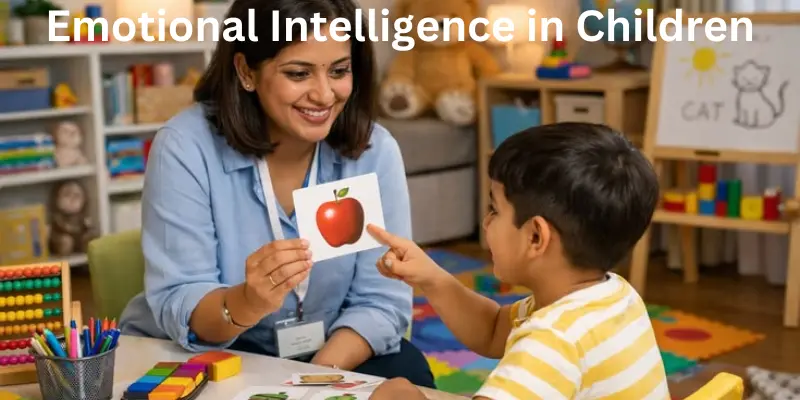
Parents and teachers are beginning to realize that intelligence is not only about grades, memory, or problem-solving abilities. A child’s emotional awareness, empathy, self-control, and communication skills are also essential for success in life. Emotional intelligence helps children cope with stress, express themselves properly, resolve conflicts peacefully, and develop confidence.
In today’s fast-paced and digitally connected world, children face emotional challenges from an early age. Social pressure, academic competition, family stress, and online interactions can all affect a child’s emotional well-being. This is why emotional intelligence in children must be nurtured intentionally through guidance, support, and everyday experiences.
Children are not born with fully developed emotional intelligence. These skills are learned gradually through relationships, observation, practice, and emotional support from adults. When parents and caregivers create a safe environment where feelings are respected and discussed openly, children become more emotionally balanced and resilient.
What Is Emotional Intelligence?
Emotional intelligence refers to the ability to recognize, understand, manage, and express emotions effectively. It also includes understanding the emotions of others and responding with empathy and care.
For children, emotional intelligence involves several important skills. These include identifying emotions, controlling impulses, handling disappointment, communicating feelings respectfully, building friendships, and showing empathy toward others.
A child with strong emotional intelligence can recognize when they are angry, sad, nervous, or excited. Instead of reacting aggressively or shutting down emotionally, they learn healthy ways to express themselves. They also become more aware of how their actions affect others.
Psychologists often divide emotional intelligence into five key components:
Self-Awareness
Self-awareness is the ability to recognize one’s own emotions and understand why those emotions occur. Children who are self-aware can identify feelings such as frustration, jealousy, fear, or happiness.
For example, a child may realize they feel upset because a friend ignored them during playtime. This awareness helps them process emotions instead of reacting impulsively.
Self-Regulation
Self-regulation involves controlling emotions and behaviors in difficult situations. Emotionally intelligent children learn how to calm themselves when angry or disappointed.
Instead of throwing tantrums or shouting, they gradually learn techniques such as deep breathing, talking about feelings, or taking a break to relax.
Motivation
Motivation in emotional intelligence refers to inner drive and persistence. Children who are emotionally motivated can stay positive, work toward goals, and recover from setbacks.
These children often show determination, curiosity, and resilience when facing challenges.
Empathy
Empathy is the ability to understand and share the feelings of others. Empathetic children care about how others feel and respond kindly.
For example, if they notice a classmate feeling lonely, they may invite them to join a game or offer comfort.
Social Skills
Social skills involve communication, cooperation, listening, and relationship-building. Emotionally intelligent children can interact positively with peers and adults.
They are better at resolving conflicts, sharing, teamwork, and expressing thoughts respectfully.
Why Emotional Intelligence in Children Is Important
Emotional intelligence in children influences nearly every area of life. Children who develop emotional skills early often become healthier, happier, and more successful adults.
Research shows that emotional intelligence can improve academic performance, mental health, relationships, and overall well-being. Emotionally intelligent children are also more adaptable and resilient during difficult situations.
One major benefit is improved communication. Children who understand emotions can explain their feelings clearly instead of acting out. This reduces misunderstandings and strengthens family relationships.
Another important advantage is better behavior management. Children with emotional intelligence are less likely to engage in aggression, bullying, or destructive behavior because they can regulate their emotions more effectively.
Emotional intelligence also supports academic success. Children who manage stress and frustration are more likely to stay focused in school, complete assignments, and participate confidently in class.
Strong emotional skills can also reduce anxiety and depression. When children learn healthy coping mechanisms, they become better equipped to handle disappointment, peer pressure, and emotional challenges.
Perhaps most importantly, emotional intelligence helps children form meaningful relationships. Empathy, kindness, and communication are essential for building trust and friendships.
Signs of High Emotional Intelligence in Children
Children with strong emotional intelligence often display certain behaviors and personality traits that reflect emotional maturity.
They can usually identify and talk about their emotions openly. Instead of simply saying they are upset, they may explain why they feel hurt or disappointed.
Emotionally intelligent children also tend to show empathy toward others. They notice emotional cues and respond compassionately when someone feels sad or uncomfortable.
Another sign is emotional control. While all children experience emotional outbursts occasionally, emotionally intelligent children gradually learn to calm down more quickly and express frustration appropriately.
Good listening skills are also common. These children pay attention during conversations and respect the feelings and opinions of others.
Problem-solving ability is another indicator. Instead of reacting emotionally during conflicts, emotionally intelligent children often try to find fair solutions.
Additionally, these children are usually adaptable and resilient. They can recover from failures or disappointments without becoming overwhelmed.
Signs of Low Emotional Intelligence in Children
Some children struggle with emotional awareness and regulation. Recognizing these signs early can help parents and teachers provide proper support.
Children with low emotional intelligence may have frequent tantrums or emotional outbursts. They often struggle to express feelings verbally and may react aggressively or impulsively.
Difficulty understanding others’ feelings is another sign. These children may appear insensitive or unaware of how their words and actions affect people.
Poor frustration tolerance is also common. Minor setbacks can trigger extreme reactions, anger, or withdrawal.
Children lacking emotional intelligence may also struggle with friendships. They may have conflicts frequently or find it difficult to cooperate with peers.
Low self-esteem, anxiety, and social isolation can sometimes be linked to poor emotional development as well.
It is important to remember that emotional intelligence can be improved with guidance, patience, and practice.
The Role of Parents in Developing Emotional Intelligence
Parents play the most influential role in shaping emotional intelligence in children. Daily interactions at home teach children how emotions are expressed, managed, and understood.
Children learn by observing adults. When parents handle stress calmly, communicate respectfully, and show empathy, children often imitate those behaviors.
One of the most effective ways to develop emotional intelligence is through emotional validation. Instead of dismissing a child’s feelings, parents should acknowledge emotions with understanding.
For example, saying “I understand you are upset because your toy broke” helps children feel heard and emotionally safe.
Open communication is equally important. Parents should encourage children to talk about their feelings without fear of criticism or punishment.
Teaching emotional vocabulary can also help. Young children may struggle to explain emotions, so introducing words like frustrated, nervous, disappointed, excited, or embarrassed expands emotional awareness.
Parents should also model healthy coping strategies. Deep breathing, problem-solving discussions, and calm communication teach children how to manage difficult emotions effectively.
Consistent discipline is another important factor. Discipline should focus on teaching rather than punishment. Children learn emotional responsibility when consequences are fair and explained calmly.
Quality time strengthens emotional bonds as well. Activities such as reading, playing, or having meaningful conversations help children feel emotionally connected and secure.
The Role of Teachers in Emotional Development
Teachers have a significant influence on emotional intelligence in children because children spend a large portion of their day at school.
A positive classroom environment encourages emotional safety and respectful communication. Children feel more confident expressing themselves when teachers listen and respond supportively.
Teachers can integrate emotional learning into daily activities by discussing feelings, encouraging teamwork, and teaching conflict resolution skills.
Group projects and classroom discussions help children practice cooperation, empathy, and communication.
Storytelling is another effective method. Books and stories provide opportunities to discuss emotions, motivations, and relationships between characters.
Teachers should also recognize emotional struggles in students. Children dealing with anxiety, bullying, or emotional stress may need additional guidance and support.
Praise and encouragement can strengthen emotional confidence as well. Recognizing effort, kindness, and perseverance promotes positive emotional growth.
Activities That Improve Emotional Intelligence in Children
Many simple activities can strengthen emotional intelligence in children at home and in school.
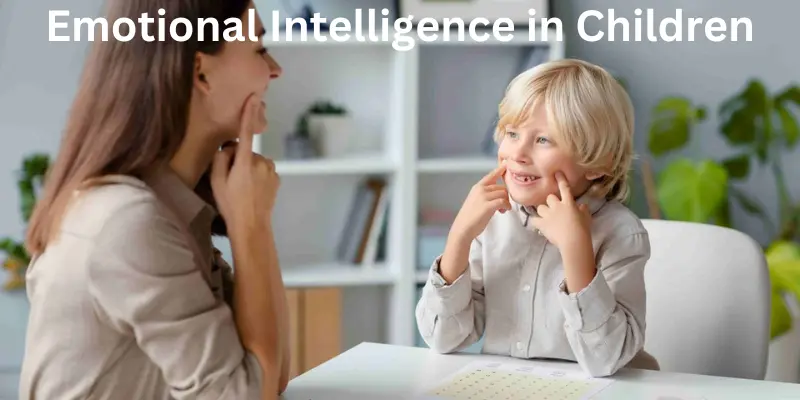
Emotion cards or charts can help younger children identify different feelings. Looking at facial expressions and discussing emotions improves emotional recognition.
Role-playing activities are also useful. Children can act out situations involving sharing, apologizing, or handling disagreements.
Journaling encourages emotional expression. Older children may benefit from writing about daily experiences and feelings.
Reading books together can spark conversations about empathy and emotions. Parents can ask questions like “How do you think this character feels?” or “What would you do in this situation?”
Mindfulness exercises such as breathing techniques or meditation help children develop self-control and emotional awareness.
Team sports and cooperative games also strengthen social skills, communication, and resilience.
Art activities such as drawing or painting allow children to express emotions creatively, especially when they struggle to communicate verbally.
Emotional Intelligence and Academic Success
Many people assume academic achievement depends only on intelligence or study habits. However, emotional intelligence in children strongly affects learning and school performance.
Emotionally intelligent children can manage stress and frustration more effectively during exams or difficult assignments. They are less likely to give up when faced with challenges.
Self-motivation helps children stay focused and persistent in achieving academic goals.
Strong social skills also improve classroom participation and teamwork. Children who communicate well often build better relationships with teachers and classmates.
Emotional regulation supports concentration as well. Children who can calm themselves are better able to focus on learning.
Schools that include emotional learning programs often report improved behavior, stronger classroom relationships, and higher academic engagement.
Emotional Intelligence and Mental Health
Emotional intelligence is closely connected to mental health and emotional well-being.
Children who understand and manage emotions are generally less vulnerable to anxiety, depression, and chronic stress. They develop healthier coping mechanisms and emotional resilience.
Emotionally intelligent children are more likely to seek support when struggling emotionally instead of hiding their feelings.
They also tend to develop stronger self-esteem because they understand that emotions are normal and manageable.
When children feel emotionally supported, they gain confidence in handling life’s challenges.
Mental health professionals often encourage emotional learning because emotional awareness helps children process difficult experiences in healthy ways.
Technology and Emotional Intelligence in Children
Technology has changed how children communicate and interact socially. While digital tools offer educational benefits, excessive screen time can sometimes affect emotional development.
Children who spend too much time on screens may have fewer opportunities for face-to-face interaction and emotional communication.
Social media can also influence self-esteem and emotional well-being, especially in older children and teenagers.
Parents should encourage balanced technology use and prioritize real-life conversations, outdoor play, and family interactions.
Teaching digital empathy is important as well. Children should learn kindness, respect, and responsible communication online.
Technology should support emotional growth rather than replace meaningful human connection.
Emotional Intelligence Across Different Age Groups
Emotional intelligence develops gradually throughout childhood.
Toddlers begin learning basic emotional recognition. They may identify simple feelings such as happy, sad, or angry.
Preschool children start learning empathy, sharing, and emotional expression through play and social interaction.
School-age children develop stronger self-control, communication skills, and understanding of complex emotions.
Teenagers face more advanced emotional challenges involving identity, peer relationships, academic pressure, and independence. Emotional intelligence becomes especially important during adolescence.
Parents and educators should adapt emotional guidance according to the child’s developmental stage.
Common Mistakes Parents Make
Some parenting habits unintentionally weaken emotional intelligence in children.
One common mistake is dismissing emotions. Statements like “Stop crying” or “You are overreacting” can make children feel misunderstood.
Overprotecting children from disappointment is another issue. Children need opportunities to face challenges and learn resilience.
Using shame or harsh punishment may also harm emotional confidence and communication.
Ignoring emotional conversations because of busy schedules can limit emotional connection as well.
Another mistake is expecting children to manage emotions without guidance. Emotional regulation is a learned skill that requires patience and support.
Parents should focus on teaching emotional skills instead of demanding emotional perfection.
How to Raise Emotionally Intelligent Children
Raising emotionally intelligent children requires consistency, patience, and emotional presence.
Parents should listen actively and encourage open discussions about emotions. Children should feel safe expressing both positive and negative feelings.
Teaching problem-solving skills is also important. Instead of solving every issue for the child, adults can guide them toward finding healthy solutions independently.
Empathy should be practiced daily through kindness, compassion, and respectful communication.
Healthy boundaries and routines provide emotional security as well. Children thrive when they feel safe and supported.
Parents should also encourage independence and resilience. Allowing children to make age-appropriate decisions strengthens confidence and emotional maturity.
Celebrating effort rather than perfection promotes a healthy emotional mindset.
Most importantly, children need unconditional love and acceptance. Emotional intelligence grows best in environments filled with trust, understanding, and emotional safety.
Emotional Intelligence in Children and Future Success
The benefits of emotional intelligence continue into adulthood. Emotionally intelligent children often become adults with healthier relationships, stronger communication skills, and better stress management.
Employers increasingly value emotional intelligence in the workplace because teamwork, empathy, leadership, and adaptability are essential professional skills.
Emotionally intelligent individuals are also more likely to maintain healthy friendships, marriages, and family relationships.
They can handle conflict maturely, communicate effectively, and cope with challenges constructively.
By investing in emotional development during childhood, parents and educators help prepare children for long-term personal and professional success.
Summary
Emotional intelligence in children is the ability to recognize, understand, manage, and express emotions effectively while also understanding the feelings of others. It plays a major role in a child’s emotional well-being, academic performance, relationships, and future success. Children with strong emotional intelligence are usually better at communication, problem-solving, empathy, and self-control.
Parents and teachers help develop emotional intelligence by encouraging open conversations about feelings, modeling positive behavior, teaching empathy, and creating emotionally supportive environments. Activities such as storytelling, role-playing, mindfulness, teamwork, and journaling can strengthen emotional skills.
Emotionally intelligent children are often more confident, resilient, and socially connected. They can manage stress better, build healthier relationships, and cope with challenges more effectively. Developing emotional intelligence from an early age gives children a strong foundation for lifelong happiness and success.
Conclusion
Emotional intelligence in children is one of the most valuable life skills a child can develop. It shapes behavior, relationships, mental health, academic success, and overall happiness.
Children who understand emotions, communicate effectively, and show empathy are better equipped to handle life’s challenges with confidence and resilience.
Parents, teachers, and caregivers all play essential roles in nurturing emotional intelligence through supportive relationships, open communication, and positive guidance.
Developing emotional intelligence is not about raising perfect children. It is about helping children become emotionally aware, compassionate, and capable individuals who can navigate life in healthy and meaningful ways.
As society continues to recognize the importance of emotional well-being, emotional intelligence in children will remain a crucial foundation for lifelong success and happiness.
FAQs on Emotional Intelligence in Children
1. What is emotional intelligence in children?
Emotional intelligence in children refers to the ability to understand, manage, and express emotions while also recognizing and responding to the emotions of others in a healthy way.
2. Why is emotional intelligence important for children?
Emotional intelligence helps children develop better communication skills, emotional control, empathy, confidence, and healthy relationships. It also supports academic success and mental well-being.
3. How can parents improve emotional intelligence in children?
Parents can improve emotional intelligence by listening to children, validating their feelings, teaching emotional vocabulary, modeling calm behavior, and encouraging empathy and problem-solving.
4. What are the signs of emotionally intelligent children?
Emotionally intelligent children often show empathy, communicate feelings clearly, manage frustration better, cooperate with others, and handle conflicts calmly.
5. Can emotional intelligence be taught?
Yes, emotional intelligence can be taught and developed over time through guidance, practice, positive role models, and supportive relationships at home and school.
6. How does emotional intelligence affect a child’s future?
Children with strong emotional intelligence are more likely to succeed academically, build healthy relationships, manage stress effectively, and perform well in personal and professional life as adults.
Please Write Your Comments