How Childhood Trauma Affects Brain Development: Long-Term Effects on Learning, Behavior, and Emotional Health
Updated: 08/06/2026
65
Introduction
Childhood is a critical period of brain growth. During the early years, billions of neural connections form as children learn, adapt, and develop emotional and social skills. Positive experiences help strengthen healthy brain architecture. Adverse experiences can disrupt this process.
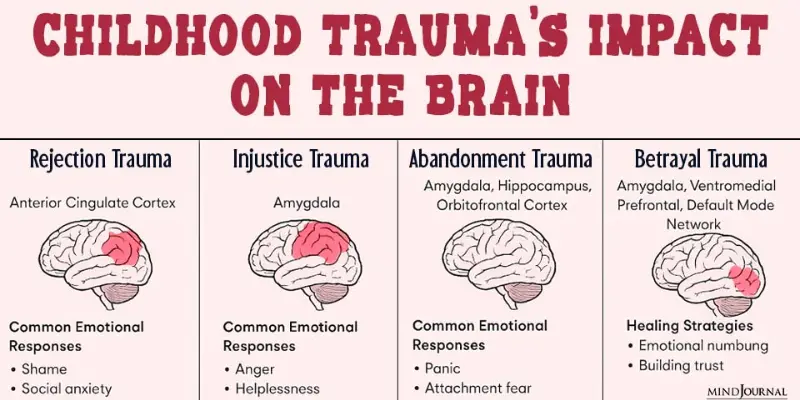
Childhood trauma is one of the most significant environmental influences on brain development. Exposure to abuse, neglect, violence, loss, chronic stress, or household dysfunction can alter the way the brain grows and functions. Research from neuroscience, psychology, and child development consistently shows that traumatic experiences during childhood can affect emotional regulation, cognitive abilities, behavior, relationships, and physical health.
Understanding how childhood trauma affects brain development helps parents, educators, caregivers, and healthcare professionals provide effective support. Early intervention and nurturing relationships can reduce many of the negative effects and help children build resilience.
Understanding Childhood Trauma and Its Impact on Development
Childhood trauma refers to experiences that overwhelm a child’s ability to cope emotionally or physically. These experiences can be single events or ongoing situations that create persistent stress.
Common forms of childhood trauma include:
- Physical abuse
- Emotional abuse
- Sexual abuse
- Neglect
- Domestic violence exposure
- Parental substance abuse
- Loss of a parent or caregiver
- Community violence
- Chronic bullying
- Natural disasters
- Serious accidents
- Family instability
Trauma affects children differently. The severity, duration, age of exposure, support systems, and individual temperament all influence outcomes.
The developing brain is highly adaptable. This flexibility helps children learn rapidly. The same flexibility also makes the brain vulnerable to harmful experiences during critical developmental periods.
How Early Childhood Trauma Changes Brain Architecture
The brain develops through repeated experiences. Safe, supportive interactions strengthen healthy neural pathways. Traumatic experiences activate stress responses that may repeatedly flood the brain with stress hormones.
When trauma becomes chronic, the brain begins adapting for survival rather than learning, exploration, and emotional growth. These adaptations may be protective in dangerous environments but often create difficulties later in life.
Children living with persistent fear may become hypervigilant, anxious, impulsive, or emotionally withdrawn. These behaviors often reflect neurological adaptations rather than intentional misconduct.
The Science Behind Trauma and the Developing Brain
The brain develops from the bottom up. Basic survival systems mature before higher-order thinking systems.
Several brain regions are particularly vulnerable to trauma.
How Trauma Affects the Amygdala and Fear Response
The amygdala acts as the brain’s alarm system. It detects threats and triggers survival responses such as fight, flight, or freeze.
Children exposed to chronic trauma often develop an overactive amygdala. This heightened sensitivity can cause:
- Excessive fear responses
- Increased anxiety
- Hypervigilance
- Emotional reactivity
- Difficulty feeling safe
The brain becomes skilled at identifying danger, even when threats are no longer present.
Effects of Childhood Trauma on the Hippocampus
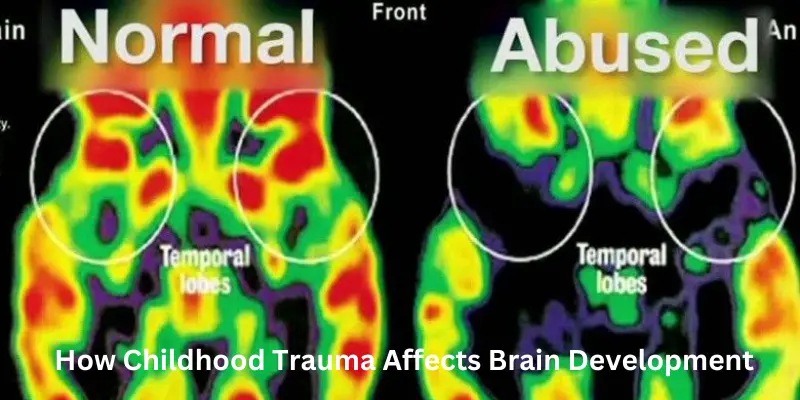
The hippocampus plays a major role in learning, memory, and emotional processing.
Research suggests prolonged exposure to stress hormones can affect hippocampal development. Children who experience significant trauma may struggle with:
- Memory formation
- Information retention
- Academic performance
- Emotional processing
Difficulties in school may reflect neurological impacts rather than lack of effort or ability.
How Trauma Impacts the Prefrontal Cortex
The prefrontal cortex controls:
- Decision-making
- Problem-solving
- Impulse control
- Attention regulation
- Emotional management
Chronic stress can interfere with healthy development of this region. Children affected by trauma may demonstrate:
- Poor concentration
- Difficulty planning
- Impulsivity
- Challenges with self-regulation
- Trouble managing emotions
These challenges often continue into adolescence and adulthood without appropriate support.
The Role of Toxic Stress in Brain Development
Not all stress is harmful.
Experts generally classify stress into three categories:
Positive Stress
Brief challenges such as learning a new skill or taking a test. Supportive adults help children manage these experiences.
Tolerable Stress
More serious events such as illness or loss. Strong relationships help children recover.
Toxic Stress
Intense, prolonged stress without adequate adult support. This type of stress creates the greatest risk for developmental disruption.
Toxic stress keeps the body’s stress response activated for extended periods. Elevated cortisol and other stress hormones can influence brain structure and function.
Children exposed to toxic stress often experience difficulties in:
- Learning
- Attention
- Emotional regulation
- Social interaction
- Physical health
Long-Term Cognitive Effects of Childhood Trauma
The effects of trauma often extend beyond emotional well-being.
Why Childhood Trauma Can Affect Learning and Academic Success
Many traumatized children struggle academically because trauma affects the brain systems responsible for learning.
Common challenges include:
- Reduced attention span
- Poor working memory
- Slower information processing
- Executive functioning difficulties
- Lower academic achievement
Students may appear distracted, unmotivated, or disruptive when they are actually coping with neurological effects of trauma.
Trauma-informed educational approaches can significantly improve outcomes.
The Connection Between Trauma and Language Development
Young children exposed to neglect or chronic stress may experience delayed language development.
Contributing factors include:
- Limited positive interaction
- Reduced verbal stimulation
- Emotional withdrawal
- Concentration difficulties
Language delays can affect social relationships and school performance.
Emotional Development Challenges Linked to Childhood Trauma
Emotional regulation develops through repeated interactions with caring adults.
Trauma can interrupt this process.
Difficulty Managing Emotions After Early Trauma
Children exposed to trauma often experience:
- Intense anger
- Anxiety
- Fear
- Shame
- Emotional numbness
Many struggle to identify, express, or regulate emotions appropriately.
These difficulties are linked to changes in brain networks responsible for emotional processing.
Trauma and Increased Risk of Mental Health Disorders
Research consistently shows higher rates of:
- Depression
- Anxiety disorders
- Post-traumatic stress disorder (PTSD)
- Substance use disorders
- Personality disorders
Risk increases when trauma is severe, prolonged, or occurs without supportive intervention.
Early treatment can significantly improve mental health outcomes.
How Childhood Trauma Influences Social Development
Healthy social skills develop through safe and predictable relationships.
Trauma often disrupts this process.
Why Traumatized Children Struggle With Relationships
Children exposed to trauma may find it difficult to trust others.
Possible outcomes include:
- Social withdrawal
- Aggression
- Relationship instability
- Fear of abandonment
- Difficulty forming friendships
Attachment disruptions are particularly common when trauma involves caregivers.
The Impact of Trauma on Attachment and Trust
Secure attachment helps children develop confidence and emotional security.
Traumatic experiences involving parents or caregivers can create insecure attachment patterns.
Children may become:
- Avoidant
- Anxious
- Fearful
- Excessively dependent
These patterns often influence adult relationships.
Physical Health Consequences of Childhood Trauma
The brain and body are deeply connected.
Chronic childhood stress affects multiple biological systems.
How Adverse Childhood Experiences Affect Lifelong Health
Research on Adverse Childhood Experiences (ACEs) shows strong associations between childhood trauma and adult health problems.
Potential long-term effects include:
- Heart disease
- Obesity
- Diabetes
- Autoimmune disorders
- Chronic pain
- Sleep disorders
Stress-related physiological changes can persist for decades.
Trauma’s Impact on the Immune System
Prolonged stress can alter immune functioning.
Children exposed to trauma may experience:
- Increased inflammation
- Greater illness susceptibility
- Delayed recovery from sickness
These biological changes contribute to long-term health risks.
Brain Plasticity and Recovery After Childhood Trauma
Although trauma can significantly affect development, the brain retains remarkable capacity for healing.
Neuroplasticity allows the brain to create new neural connections throughout life.
Positive experiences can strengthen healthier pathways and reduce the impact of traumatic adaptations.
Can the Brain Heal From Childhood Trauma?
Many children and adults recover successfully from trauma.
Recovery depends on factors such as:
- Early intervention
- Stable relationships
- Therapeutic support
- Safe environments
- Consistent caregiving
Healing does not erase traumatic experiences. It helps the brain develop healthier responses and coping mechanisms.
Protective Factors That Promote Resilience
Several factors support recovery:
- Supportive caregivers
- Strong family relationships
- Positive school environments
- Community support
- Access to mental health services
- Healthy peer relationships
Resilience develops through supportive experiences that help children feel safe and valued.
Effective Interventions for Trauma-Affected Children
Early intervention offers the best opportunity to reduce long-term effects.
Evidence-Based Therapies for Childhood Trauma
Several approaches have demonstrated effectiveness:
- Trauma-Focused Cognitive Behavioral Therapy (TF-CBT)
- Parent-Child Interaction Therapy (PCIT)
- Play therapy
- Attachment-based therapies
- Eye Movement Desensitization and Reprocessing (EMDR)
Professional evaluation helps determine the most appropriate treatment approach.
The Importance of Trauma-Informed Care
Trauma-informed care recognizes that behavior often reflects underlying experiences.
This approach emphasizes:
- Safety
- Trust
- Empowerment
- Collaboration
- Emotional support
Schools, healthcare systems, and community organizations increasingly adopt trauma-informed practices.
How Parents and Caregivers Can Support Healing
Caregivers play a critical role in recovery.
Practical Ways to Help a Child Recover From Trauma
Supportive strategies include:
- Creating predictable routines
- Providing emotional validation
- Maintaining consistent boundaries
- Encouraging healthy communication
- Seeking professional support when needed
- Building strong connections
Children benefit from knowing they are safe, understood, and supported.
Building Emotional Safety at Home
Emotional safety encourages healthy brain development.
Caregivers can promote safety by:
- Listening without judgment
- Responding calmly to distress
- Encouraging emotional expression
- Modeling healthy coping skills
- Celebrating strengths and achievements
Consistent nurturing experiences help reshape neural pathways over time.
The Importance of Early Identification and Prevention
Prevention remains one of the most effective approaches.
Communities can reduce childhood trauma through:
- Parenting education programs
- Mental health support services
- Violence prevention initiatives
- School-based interventions
- Economic support programs
- Early childhood development services
Identifying trauma early allows children to receive support before challenges become deeply entrenched.
Conclusion
Childhood trauma can profoundly influence brain development, affecting learning, emotional regulation, behavior, relationships, and physical health. Chronic exposure to stress can alter the structure and function of key brain regions, creating challenges that may persist into adulthood.
The developing brain remains adaptable throughout life. Safe relationships, evidence-based therapies, supportive environments, and early intervention can promote healing and resilience. Understanding the neurological impact of trauma helps caregivers, educators, and professionals respond with compassion and effective support.
Every positive interaction has the potential to strengthen healthy brain development. With the right resources and nurturing relationships, children who experience trauma can build resilience, recover, and thrive.
FAQs
How does childhood trauma affect brain development?
Childhood trauma can disrupt normal brain development by exposing children to prolonged stress. Chronic stress activates the body’s survival response, affecting areas responsible for emotional regulation, memory, learning, and decision-making. Over time, these changes may influence behavior, academic performance, and mental health.
Can childhood trauma permanently change the brain?
Childhood trauma can cause lasting changes in brain structure and function, especially when it occurs repeatedly and without support. The brain remains adaptable throughout life, however. Positive relationships, therapy, and supportive environments can help the brain develop healthier pathways and reduce many of the long-term effects.
What part of the brain is most affected by trauma?
Trauma commonly affects the amygdala, hippocampus, and prefrontal cortex. The amygdala may become overactive, increasing fear and anxiety. The hippocampus can be affected in ways that impact memory and learning. The prefrontal cortex may experience disruptions that affect impulse control, focus, and emotional regulation.
How does trauma impact learning and memory?
Trauma can interfere with concentration, information processing, and memory formation. Children who experience trauma may struggle to focus in school, retain information, solve problems, and complete tasks. These difficulties are often linked to changes in brain regions responsible for learning and memory.
Can children recover from traumatic experiences?
Yes, many children recover from traumatic experiences with the right support. Safe relationships, stable environments, counseling, and evidence-based therapies can help children build resilience and develop healthy coping skills. Early intervention often improves recovery outcomes.
What are the signs of trauma-related brain development issues?
Common signs include emotional outbursts, anxiety, difficulty concentrating, memory problems, sleep disturbances, social withdrawal, aggression, academic struggles, and challenges with emotional regulation. Symptoms vary depending on the child’s age, experiences, and support system.
How does toxic stress differ from normal stress?
Normal stress is usually short-term and manageable with adult support. Toxic stress occurs when a child experiences intense or prolonged adversity without adequate emotional support. This ongoing stress can disrupt brain development and increase the risk of long-term emotional, cognitive, and physical health problems.
What therapies help children heal from trauma?
Several evidence-based therapies can support recovery, including Trauma-Focused Cognitive Behavioral Therapy (TF-CBT), Play Therapy, Parent-Child Interaction Therapy (PCIT), and Eye Movement Desensitization and Reprocessing (EMDR). Mental health professionals can recommend the most appropriate approach based on the child’s needs.
Does childhood trauma affect physical health later in life?
Yes, research shows that childhood trauma can increase the risk of chronic health conditions in adulthood. These may include heart disease, diabetes, obesity, chronic pain, sleep disorders, and immune system dysfunction. Long-term exposure to stress can affect multiple systems throughout the body.
How can parents support a child after a traumatic event?
Parents can support healing by providing a safe and predictable environment, listening without judgment, validating emotions, maintaining consistent routines, and seeking professional help when needed. Strong, supportive relationships are among the most important factors in helping children recover from trauma.
Please Write Your Comments