Child Behavioral Issues: A Complete Evidence-Based Guide for Parents & Caregivers
Updated: 22/02/2026
119
Child behavioral issues are among the most common concerns raised by parents, caregivers, and educators worldwide. From frequent temper tantrums and defiance to aggression, anxiety, and attention difficulties, behavioral challenges can affect a child’s emotional development, academic performance, and social relationships.
While occasional misbehavior is a normal part of growing up, persistent or severe behavior problems may signal underlying emotional, developmental, or environmental issues. Understanding child behavioral issues early—and responding with evidence-based strategies—can make a lifelong difference in a child’s mental health and overall well-being.
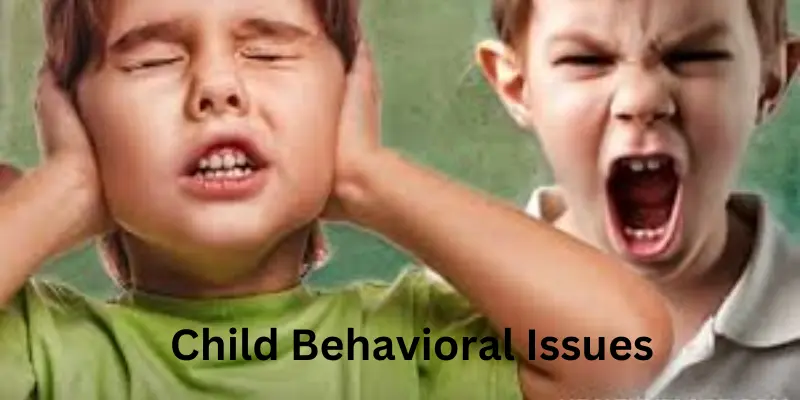
This comprehensive guide explores the types of child behavioral problems, common causes, warning signs, diagnosis, and proven intervention strategies, helping parents make informed, confident decisions rooted in science and experience.
The Role of Emotional Intelligence in Behavior
Emotional intelligence plays a critical role in shaping a child’s behavior, relationships, and overall emotional well-being. Many child behavioral issues stem not from defiance or disobedience, but from a child’s limited ability to understand, express, and manage emotions effectively. Developing emotional intelligence helps children respond to challenges in healthier and more adaptive ways.
What Is Emotional Intelligence in Children?
Emotional intelligence refers to a child’s ability to:
- Recognize and understand their own emotions
- Manage emotional responses appropriately
- Understand the emotions of others
- Use emotional awareness to guide behavior and decision-making
Children with strong emotional intelligence are better equipped to cope with frustration, stress, and social challenges.
How Emotional Intelligence Influences Child Behavior
1. Improves Emotional Regulation
Children who can identify their feelings are less likely to express distress through tantrums, aggression, or defiance. Emotional awareness allows children to pause, reflect, and choose appropriate responses.
2. Reduces Behavioral Outbursts
Many behavioral issues occur when children feel overwhelmed or misunderstood. Emotional intelligence helps children communicate needs verbally instead of acting out through disruptive behavior.
3. Strengthens Social Skills
Understanding emotions in others supports empathy, cooperation, and conflict resolution. Children with higher emotional intelligence are more likely to build healthy peer relationships and experience fewer social behavior problems.
4. Enhances Problem-Solving Abilities
Emotionally intelligent children can manage frustration and think more clearly during challenges, leading to better decision-making and reduced impulsive behavior.
5. Builds Resilience and Coping Skills
Children with strong emotional intelligence recover more quickly from setbacks and adapt better to change, reducing anxiety-driven behavioral issues.
Emotional Intelligence and Long-Term Behavioral Outcomes
Research consistently shows that children who develop emotional intelligence early are at lower risk for:
- Chronic behavioral problems
- Academic difficulties
- Anxiety and emotional disorders
- Social isolation
Instead, they demonstrate improved self-esteem, emotional stability, and positive behavior patterns over time.
How Parents Can Support Emotional Intelligence at Home
Parents play a vital role in building emotional intelligence and improving child behavior.
Effective strategies include:
- Talking openly about emotions
- Validating feelings without encouraging negative behavior
- Teaching coping skills such as deep breathing
- Modeling healthy emotional responses
When emotional intelligence is nurtured, behavior naturally improves.
Key Takeaway
Emotional intelligence is a foundational skill that directly influences child behavior. By helping children understand and manage emotions, parents and caregivers can reduce behavioral issues, strengthen relationships, and support long-term emotional health.are among the most common concerns raised by parents, caregivers, and educators worldwide. From frequent temper tantrums and defiance to aggression, anxiety, and attention difficulties, behavioral challenges can affect a child’s emotional development, academic performance, and social relationships.
While occasional misbehavior is a normal part of growing up, persistent or severe behavior problems may signal underlying emotional, developmental, or environmental issues. Understanding child behavioral issues early—and responding with evidence-based strategies—can make a lifelong difference in a child’s mental health and overall well-being.
This comprehensive guide explores the types of child behavioral problems, common causes, warning signs, diagnosis, and proven intervention strategies, helping parents make informed, confident decisions rooted in science and experience.
What Are Child Behavioral Issues?
Child behavioral issues refer to patterns of disruptive, defiant, emotional, or socially inappropriate behaviors that interfere with a child’s daily functioning at home, school, or in social settings.
These behaviors may include:
- Difficulty following rules
- Emotional outbursts disproportionate to the situation
- Aggression toward others
- Excessive fear, worry, or withdrawal
- Impulsivity or hyperactivity
- Difficulty concentrating or listening
Behavioral problems in children exist on a spectrum—from mild and temporary to chronic and clinically significant.
Common Types of Child Behavioral Issues
Child behavioral issues can present in different ways depending on age, temperament, environment, and emotional development. Understanding the most common types helps parents and caregivers respond effectively and seek timely support when needed.
1. Oppositional and Defiant Behavior
This type involves frequent refusal to follow rules, arguing with adults, deliberate disobedience, and blaming others for mistakes. While occasional defiance is developmentally normal, persistent oppositional behavior may disrupt family and school life.
Common signs include:
- Frequent arguments with authority figures
- Intentional rule-breaking
- Easily losing temper
2. Attention and Hyperactivity Issues
Children with attention-related behavioral issues struggle to focus, stay organized, or control impulses. These behaviors often affect academic performance and social interactions.
Common signs include:
- Difficulty concentrating
- Excessive movement or restlessness
- Acting without thinking
3. Aggressive Behavior
Aggression may be physical, verbal, or emotional and is often a response to frustration, poor emotional regulation, or unmet needs.
Examples include:
- Hitting, kicking, or biting
- Yelling or threatening language
- Destroying property
4. Emotional and Anxiety-Related Behavioral Issues
Some children express emotional distress through avoidance, withdrawal, or heightened emotional reactions rather than outward defiance.
Common signs include:
- Excessive worry or fear
- Social withdrawal
- Frequent crying or emotional sensitivity
5. Conduct-Related Behavioral Problems
These behaviors are more serious and involve repeated violation of rules or the rights of others. They require early professional intervention.
Examples include:
- Lying or stealing
- Bullying peers
- Lack of empathy or remorse
6. Social and Communication Difficulties
Children with social behavioral issues struggle to interact appropriately with peers and adults, which can lead to isolation or conflict.
Common signs include:
- Difficulty making friends
- Poor understanding of social cues
- Inappropriate responses in social situations
7. Emotional Regulation Difficulties
Some children experience intense emotions and have trouble calming themselves, leading to frequent meltdowns or emotional outbursts.
Indicators include:
- Extreme reactions to minor frustrations
- Difficulty calming down after upset
- Mood swings
8. Sleep-Related Behavioral Issues
Poor sleep can significantly impact a child’s behavior, leading to irritability, impulsivity, and difficulty concentrating.
Signs include:
- Resistance to bedtime
- Nighttime awakenings
- Daytime fatigue affecting behavior
9. School-Related Behavioral Problems
Behavioral issues may surface primarily in academic settings due to learning difficulties, stress, or lack of support.
Examples include:
- Refusal to attend school
- Classroom disruptions
- Difficulty completing tasks
10. Trauma-Related Behavioral Issues
Children exposed to stressful or traumatic experiences may express distress through behavior rather than words.
Possible signs include:
- Sudden behavior changes
- Heightened fear responses
- Regression in developmental skills
Final Note
Not all behavioral challenges indicate a disorder. However, when behaviors are persistent, intense, or interfere with daily functioning, early evaluation and supportive intervention can make a meaningful difference in a child’s emotional and behavioral development.
What Causes Child Behavioral Issues?
Behavioral problems rarely have a single cause. Instead, they develop through a combination of biological, psychological, and environmental factors.
1. Developmental Factors
- Immature emotional regulation
- Delayed language or communication skills
- Neurodevelopmental differences
Young children often lack the vocabulary to express emotions, leading to behavioral outbursts.
2. Family and Environmental Influences
- Inconsistent parenting
- High family stress or conflict
- Exposure to trauma or neglect
- Lack of structure or routine
Children model behavior they observe, making the home environment a powerful influence.
3. School and Social Challenges
- Academic difficulties
- Bullying or peer rejection
- Learning disabilities
Unmet educational needs can quickly translate into behavioral problems.
4. Mental Health and Neurological Factors
- Anxiety disorders
- ADHD
- Autism spectrum traits
- Mood regulation difficulties
These conditions affect impulse control, emotional processing, and attention.
Warning Signs Parents Should Not Ignore
Early identification of child behavioral issues improves outcomes significantly. Red flags include:
- Behavior that persists longer than six months
- Problems occurring across multiple settings
- Aggression causing harm
- Severe emotional distress
- Regression in developmental milestones
- Difficulty forming friendships
If behavior interferes with learning or family functioning, professional evaluation is recommended.
How Child Behavioral Issues Are Diagnosed
Diagnosing child behavioral issues involves a comprehensive, multi-step process rather than a single test. Because children’s behavior is influenced by developmental stage, environment, and emotional health, professionals rely on multiple sources of information to ensure an accurate and ethical diagnosis.
1. Detailed Parent and Caregiver Interviews
The diagnostic process begins with in-depth discussions with parents or caregivers to understand the child’s developmental history, daily routines, family dynamics, and behavioral concerns.
Professionals may ask about:
- When the behavior started
- Frequency and severity of behaviors
- Situations where behaviors occur
- Family stressors or recent changes
This step helps distinguish age-appropriate behavior from clinically significant child behavioral issues.
2. Teacher and School Feedback
Since many child behavioral issues appear in educational settings, input from teachers is critical. School reports provide insight into attention, social interaction, rule compliance, and academic performance.
Common tools include:
- Teacher questionnaires
- Classroom behavior reports
- Academic progress records
Consistent behaviors across home and school often indicate deeper concerns.
3. Behavioral Observations
Professionals observe the child in structured and unstructured environments to assess emotional regulation, impulse control, communication, and social skills.
Observations may occur:
- In clinical settings
- At school (when possible)
- During play-based assessments
This helps identify behavior patterns in real time.
4. Standardized Behavioral Rating Scales
Validated assessment tools are used to objectively measure behavioral and emotional functioning. These scales compare a child’s behavior to developmental norms for their age group.
They evaluate areas such as:
- Attention and impulsivity
- Emotional regulation
- Social behavior
- Aggression or anxiety
Using standardized tools increases diagnostic reliability and reduces bias.
5. Developmental and Psychological Assessments
When necessary, professionals assess cognitive, emotional, and developmental functioning to rule out learning disabilities, language delays, or emotional disorders that may contribute to behavioral challenges.
This step ensures that underlying conditions are not overlooked.
6. Medical Evaluation
A medical assessment may be conducted to rule out physical factors that can affect behavior, such as:
- Sleep disorders
- Vision or hearing problems
- Neurological conditions
- Nutritional deficiencies
Physical health plays a significant role in child behavior.
7. Differential Diagnosis
Professionals carefully distinguish child behavioral issues from other conditions with overlapping symptoms. Accurate diagnosis ensures that children receive appropriate, targeted support rather than unnecessary labeling.
8. Collaborative Diagnostic Decision
Diagnosis is made through collaboration between parents, educators, pediatricians, and mental health professionals. This team-based approach aligns with best practices and supports ethical, child-centered care.
Why Early Diagnosis Matters
Early identification of child behavioral issues allows for:
- Timely intervention
- Improved emotional regulation
- Better academic and social outcomes
- Reduced long-term mental health risks
The goal of diagnosis is not labeling—but understanding the child’s needs and providing meaningful support.
Evidence-Based Treatment Options for Child Behavioral Issues
Effective treatment for child behavioral issues is grounded in scientifically validated, evidence-based approaches. These treatments focus on understanding the root causes of behavior, strengthening emotional regulation, and supporting both the child and their caregivers. Early, structured intervention consistently leads to better long-term outcomes.
1. Parent Behavior Training (PBT)
Parent Behavior Training is one of the most researched and effective treatments for child behavioral issues. It equips parents with practical tools to manage behavior in a consistent, supportive manner.
Key components include:
- Positive reinforcement techniques
- Consistent discipline strategies
- Clear communication of expectations
- Reducing unintentional reinforcement of negative behaviors
PBT improves parent-child relationships while reducing disruptive behavior.
2. Cognitive Behavioral Therapy (CBT)
Cognitive Behavioral Therapy helps children recognize the connection between thoughts, emotions, and behaviors. It is especially effective for children with emotional regulation difficulties or anxiety-related behavioral issues.
CBT focuses on:
- Identifying negative thought patterns
- Developing coping and problem-solving skills
- Improving emotional awareness
- Building self-control and resilience
CBT is age-adapted and often uses play or visual tools for younger children.
3. Behavioral Therapy
Behavioral therapy targets specific behaviors by modifying environmental triggers and reinforcing positive actions.
Common techniques include:
- Behavior charts and reward systems
- Structured routines
- Clear consequences for actions
- Skill-building through repetition
This approach is highly effective for attention, impulse control, and conduct-related behavioral problems.
4. School-Based Interventions
Because children spend significant time at school, educational support plays a vital role in treatment.
School-based strategies include:
- Individualized Education Plans (IEPs)
- Behavioral intervention plans
- Classroom accommodations
- Collaboration between parents and teachers
Consistency across home and school settings improves behavioral outcomes.
5. Family Therapy
Family therapy addresses relational patterns, communication issues, and environmental stressors that contribute to child behavioral issues.
Benefits include:
- Improved family communication
- Reduced conflict
- Strengthened emotional support systems
- Better consistency in parenting approaches
This approach recognizes the family as a key factor in child development.
6. Social Skills Training
Some children struggle with peer relationships due to difficulty understanding social cues or managing emotions.
Social skills programs help children:
- Learn appropriate social responses
- Develop empathy
- Practice conflict resolution
- Improve peer interactions
These skills reduce frustration and behavioral outbursts.
7. Medication (When Clinically Indicated)
Medication may be considered in moderate to severe cases when behavioral therapy alone is insufficient. It is never a first-line treatment and should always be combined with behavioral interventions.
Medication decisions require:
- Thorough evaluation
- Ongoing monitoring
- Collaboration with healthcare professionals
The goal is symptom management—not behavior suppression.
8. Trauma-Informed Interventions
Children exposed to trauma benefit from approaches that prioritize emotional safety and stability.
Trauma-informed care focuses on:
- Emotional regulation
- Trust-building
- Reducing stress responses
- Restoring a sense of control
This approach is essential for children with stress-related behavioral challenges.
Why Evidence-Based Treatment Matters
Evidence-based treatment options ensure that child behavioral issues are addressed using methods proven to be safe, ethical, and effective. These approaches focus on skill-building rather than punishment, empowering children to develop emotional regulation, resilience, and healthy behavior patterns.
Practical Strategies Parents Can Use at Home for Child Behavioral Issues
Managing child behavioral issues at home can feel overwhelming, but small, consistent changes often lead to meaningful improvements. Practical, evidence-based strategies help children feel secure, understood, and supported while encouraging positive behavior and emotional growth.
1. Establish Clear and Predictable Routines
Children thrive on structure. Consistent daily routines reduce anxiety, improve cooperation, and minimize behavioral outbursts.
Helpful tips:
- Keep regular wake-up, meal, and bedtime schedules
- Use visual schedules for younger children
- Prepare children in advance for transitions
Predictability helps children understand expectations and feel in control.
2. Use Positive Reinforcement Consistently
Positive reinforcement encourages desired behaviors by recognizing effort and progress rather than focusing only on mistakes.
Effective reinforcement includes:
- Specific verbal praise
- Reward charts or tokens
- Extra privileges for positive behavior
Children are more likely to repeat behaviors that receive positive attention.
3. Set Age-Appropriate Rules and Boundaries
Clear, simple rules help children understand limits without feeling overwhelmed.
Best practices:
- Keep rules short and specific
- Enforce rules consistently
- Explain consequences calmly
Consistency builds trust and reduces power struggles.
4. Model Calm and Respectful Behavior
Children learn emotional regulation by observing adults. How parents respond during stressful moments strongly influences a child’s behavior.
Parents can model:
- Calm communication
- Healthy coping strategies
- Respectful problem-solving
Remaining calm teaches children how to manage their own emotions.
5. Teach Emotional Awareness and Expression
Many child behavioral issues stem from difficulty expressing emotions.
Helpful strategies include:
- Naming emotions during daily interactions
- Encouraging children to talk about feelings
- Using emotion charts or storybooks
When children can identify emotions, they are less likely to act them out.
6. Provide Clear Choices and Encourage Independence
Offering limited choices gives children a sense of control while maintaining boundaries.
Examples include:
- Choosing between two outfits
- Selecting a preferred activity after homework
- Deciding the order of tasks
This reduces defiance and promotes cooperation.
7. Use Calm and Logical Consequences
Consequences should teach, not punish.
Effective consequences are:
- Immediate
- Related to the behavior
- Delivered without anger
This approach helps children understand cause and effect.
8. Limit Overstimulation and Screen Time
Excessive screen exposure and lack of downtime can worsen child behavioral issues.
Helpful adjustments:
- Set screen-time limits
- Encourage outdoor play
- Prioritize adequate sleep
Balanced stimulation supports emotional regulation.
9. Strengthen Parent-Child Connection
A strong emotional bond reduces behavioral problems by increasing a child’s sense of security.
Ways to build connection:
- One-on-one time daily
- Active listening
- Expressing unconditional support
Children who feel connected are more receptive to guidance.
10. Be Patient and Consistent
Behavior change takes time. Progress may be gradual, and setbacks are normal.
Consistency, patience, and compassion are essential for long-term improvement in child behavioral issues.
Key Takeaway for Parents
Practical, home-based strategies play a powerful role in managing child behavioral issues. By creating structure, modeling calm behavior, reinforcing positives, and nurturing emotional understanding, parents can support healthier behavior and emotional development—one step at a time.
The Role of Emotional Intelligence in Behavior
Emotional intelligence plays a critical role in shaping a child’s behavior, relationships, and overall emotional well-being. Many child behavioral issues stem not from defiance or disobedience, but from a child’s limited ability to understand, express, and manage emotions effectively. Developing emotional intelligence helps children respond to challenges in healthier and more adaptive ways.
What Is Emotional Intelligence in Children?
Emotional intelligence refers to a child’s ability to:
- Recognize and understand their own emotions
- Manage emotional responses appropriately
- Understand the emotions of others
- Use emotional awareness to guide behavior and decision-making
Children with strong emotional intelligence are better equipped to cope with frustration, stress, and social challenges.
How Emotional Intelligence Influences Child Behavior
1. Improves Emotional Regulation
Children who can identify their feelings are less likely to express distress through tantrums, aggression, or defiance. Emotional awareness allows children to pause, reflect, and choose appropriate responses.
2. Reduces Behavioral Outbursts
Many behavioral issues occur when children feel overwhelmed or misunderstood. Emotional intelligence helps children communicate needs verbally instead of acting out through disruptive behavior.
3. Strengthens Social Skills
Understanding emotions in others supports empathy, cooperation, and conflict resolution. Children with higher emotional intelligence are more likely to build healthy peer relationships and experience fewer social behavior problems.
4. Enhances Problem-Solving Abilities
Emotionally intelligent children can manage frustration and think more clearly during challenges, leading to better decision-making and reduced impulsive behavior.
5. Builds Resilience and Coping Skills
Children with strong emotional intelligence recover more quickly from setbacks and adapt better to change, reducing anxiety-driven behavioral issues.
Emotional Intelligence and Long-Term Behavioral Outcomes
Research consistently shows that children who develop emotional intelligence early are at lower risk for:
- Chronic behavioral problems
- Academic difficulties
- Anxiety and emotional disorders
- Social isolation
Instead, they demonstrate improved self-esteem, emotional stability, and positive behavior patterns over time.
How Parents Can Support Emotional Intelligence at Home
Parents play a vital role in building emotional intelligence and improving child behavior.
Effective strategies include:
- Talking openly about emotions
- Validating feelings without encouraging negative behavior
- Teaching coping skills such as deep breathing
- Modeling healthy emotional responses
When emotional intelligence is nurtured, behavior naturally improves.
Key Takeaway
Emotional intelligence is a foundational skill that directly influences child behavior. By helping children understand and manage emotions, parents and caregivers can reduce behavioral issues, strengthen relationships, and support long-term emotional health.
Long-Term Impact of Untreated Behavioral Issues
If left unaddressed, child behavioral issues may lead to:
- Academic failure
- Poor self-esteem
- Social isolation
- Increased risk of mental health disorders in adolescence
Early support changes developmental trajectories dramatically.
Supporting Children With Compassion and Consistency
Children are not “bad”—they are often struggling. Behavior is communication, and understanding what a child is expressing beneath the surface is key to lasting change.
Parents who approach behavioral challenges with patience, education, and evidence-based tools empower their children to succeed emotionally and socially.
Frequently Asked Questions (FAQs) on Child Behavioral Issues
1. What are the most common child behavioral issues?
The most common child behavioral issues include temper tantrums, defiance, aggression, attention problems, hyperactivity, anxiety-related behaviors, and difficulty following rules. These behaviors often vary by age and developmental stage but become concerning when they are frequent, intense, or disruptive across multiple settings.
2. At what age do behavioral issues usually begin in children?
Child behavioral issues can appear as early as toddlerhood, particularly during key developmental phases such as ages 2–4. While many behaviors are age-appropriate, persistent problems beyond expected developmental stages may require further evaluation and support.
3. Are child behavioral issues a sign of poor parenting?
No. Child behavioral issues are not a reflection of bad parenting. They often stem from a combination of developmental, emotional, neurological, environmental, and social factors. Even supportive and consistent parents may face behavioral challenges, especially when a child struggles with emotional regulation or stress.
4. When should parents seek professional help for child behavioral issues?
Parents should consider professional help if behavioral problems last longer than six months, occur in multiple environments (home and school), involve aggression or emotional distress, or interfere with learning and relationships. Early intervention significantly improves long-term outcomes.
5. How can parents manage child behavioral issues at home?
Parents can manage child behavioral issues by maintaining consistent routines, using positive reinforcement, setting clear expectations, modeling calm behavior, and teaching children to identify and express emotions appropriately. Consistency and patience are key to effective behavior management.
6. Can child behavioral issues improve without treatment?
Some mild behavioral issues resolve naturally as children mature. However, moderate to severe child behavioral issues often persist without intervention and may worsen over time. Evidence-based strategies and professional guidance can help children develop healthier coping and behavior patterns.
Summary: Child Behavioral Issues
Child behavioral issues affect children across all ages and backgrounds and are influenced by developmental, emotional, and environmental factors. Early identification, supportive parenting strategies, and professional guidance play a critical role in improving outcomes. By addressing behavioral concerns proactively, parents empower children to build emotional resilience, healthy relationships, and lifelong coping skills.
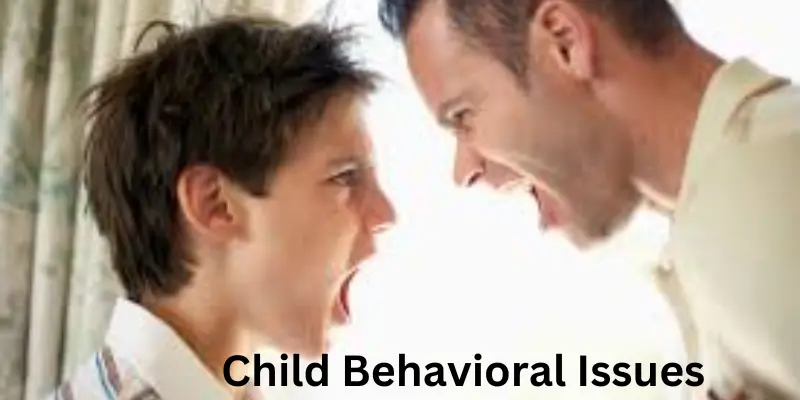
Conclusion on Child Behavioral Issues
Child behavioral issues are a common part of childhood development, but persistent or severe challenges should never be ignored. Understanding the underlying causes, recognizing early warning signs, and responding with evidence-based strategies allow parents and caregivers to support positive emotional and behavioral growth. With early intervention, consistency, and compassion, children can overcome behavioral challenges and develop the skills needed for long-term success.
Please Write Your Comments