What Is Brain Development in Early Childhood
Updated: 08/06/2026
38
Early childhood is one of the most important periods of human growth. During the first few years of life, a child’s brain develops at an extraordinary pace, creating the foundation for learning, behavior, emotions, communication, and lifelong health. Understanding what is brain development in early childhood helps parents, caregivers, and educators provide the experiences children need to thrive.
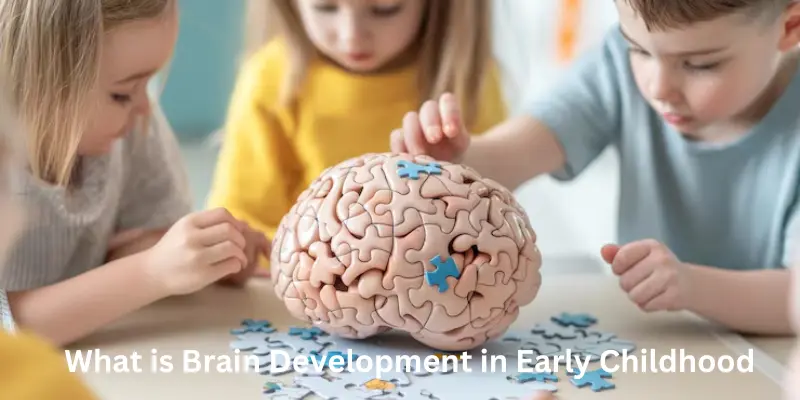
Brain development in early childhood refers to the rapid growth and formation of neural connections that occur from birth through approximately age eight. During this time, the brain builds pathways that support thinking, memory, language, movement, social skills, and emotional regulation.
Research consistently shows that early experiences have a lasting impact on brain architecture. Positive interactions, responsive caregiving, nutrition, play, and safe environments contribute to healthy development, while chronic stress and neglect can interfere with optimal growth. The article How Childhood Trauma Affects Brain Development furnishes much knowledge in this regards.
What Is Brain Development in Early Childhood and Why Does It Matter?
Brain development in early childhood involves the creation and strengthening of connections between billions of brain cells called neurons. These connections enable children to process information, learn new skills, solve problems, and interact with the world around them.
By age five, a child’s brain reaches approximately 90% of its adult size. Although development continues throughout life, the early years represent a unique window of opportunity when the brain is especially adaptable and responsive to experiences.
Healthy brain development influences:
- Language and communication skills
- Memory and learning abilities
- Emotional regulation
- Social interactions
- Physical coordination
- Academic readiness
- Problem-solving capabilities
The quality of experiences during early childhood shapes how effectively these abilities develop.
Understanding the Science Behind Early Childhood Brain Development
The human brain contains billions of neurons. At birth, many of these neurons already exist, but the connections between them are still developing.
When children experience activities such as talking, reading, singing, playing, and exploring, neurons communicate with one another and form connections known as synapses. Repeated experiences strengthen these neural pathways.
Several key processes drive brain development in early childhood:
Synapse Formation
Millions of neural connections form every second during infancy and early childhood. These connections create the foundation for learning and behavior.
Neural Pruning
The brain eliminates unused connections while strengthening frequently used ones. This process improves efficiency and allows the brain to specialize.
Myelination
A protective coating called myelin develops around nerve fibers, helping signals travel faster and improving communication between different brain regions.
Neuroplasticity
Young brains are highly adaptable. This ability to change and reorganize in response to experiences is known as neuroplasticity.
Stages of Brain Development in Early Childhood
Brain development occurs continuously, but several distinct stages characterize early childhood growth.
Brain Development From Birth to 12 Months
The first year of life is marked by rapid neural growth. Babies learn through sensory experiences and interactions with caregivers.
Key developments include:
- Recognizing familiar faces
- Responding to voices
- Developing basic memory
- Beginning language comprehension
- Building emotional attachments
Responsive caregiving during infancy supports healthy neural connections.
Brain Development Between 1 and 3 Years
Toddlers experience remarkable cognitive and language growth.
Major milestones include:
- Vocabulary expansion
- Improved motor skills
- Increased curiosity
- Early problem-solving abilities
- Development of self-awareness
During this period, children actively explore their environment, strengthening neural networks through experience.
Brain Development Between 3 and 5 Years
Preschool-aged children continue building cognitive and social skills.
Brain growth supports:
- Complex language use
- Imaginative play
- Emotional understanding
- Memory improvement
- Attention development
Children become more capable of following instructions and engaging in cooperative play.
Brain Development Between 5 and 8 Years
Early school-age children refine foundational skills and strengthen higher-order thinking abilities.
Development includes:
- Better concentration
- Improved reasoning
- Enhanced social competence
- Stronger executive functioning
- Increased self-control
These abilities prepare children for academic success and independent learning.
Key Areas of Brain Development in Early Childhood
Several interconnected domains contribute to overall brain development.
Cognitive Development
Cognitive development involves thinking, learning, reasoning, and problem-solving.
Children develop cognitive skills through:
- Exploration
- Observation
- Questioning
- Experimentation
- Play-based learning
Strong cognitive foundations support future academic achievement.
Language Development
Language development depends on consistent exposure to speech and communication.
Important language-building activities include:
- Reading aloud
- Storytelling
- Singing songs
- Conversations
- Interactive play
Children who experience rich language environments often develop stronger communication skills.
Social Development
Social development involves learning how to interact with others effectively.
Children acquire social skills through:
- Family relationships
- Peer interactions
- Cooperative play
- Group activities
Positive social experiences strengthen brain networks related to empathy and communication.
Emotional Development
Emotional development helps children understand and manage feelings.
Healthy emotional growth supports:
- Self-regulation
- Resilience
- Confidence
- Stress management
- Relationship building
Secure relationships play a crucial role in emotional brain development.
Physical and Motor Development
Movement supports brain development by stimulating neural pathways.
Physical activities help children develop:
- Coordination
- Balance
- Strength
- Spatial awareness
- Fine motor skills
Active play promotes both physical and cognitive growth.
Factors That Influence Brain Development in Early Childhood
Many environmental and biological factors affect how a child’s brain develops.
Genetics and Brain Development
Genes provide the blueprint for brain growth. They influence characteristics such as temperament, intelligence potential, and developmental timing.
Genetics establish possibilities, but experiences help determine how those possibilities unfold.
Nutrition and Early Brain Development
Proper nutrition is essential for healthy brain growth.
Key nutrients include:
- Protein
- Iron
- Zinc
- Omega-3 fatty acids
- Vitamins A, D, and B-complex
Nutritional deficiencies during early childhood can affect cognitive development and learning capacity.
Positive Relationships and Responsive Caregiving
One of the strongest influences on brain development is responsive caregiving.
Children thrive when caregivers:
- Respond consistently to needs
- Show affection
- Provide encouragement
- Engage in conversation
- Create safe environments
Supportive relationships help build secure neural foundations.
Play and Brain Development
Play is a powerful tool for learning and brain growth.
Different forms of play support development in unique ways:
- Pretend play enhances creativity
- Physical play strengthens coordination
- Social play develops communication skills
- Puzzle play promotes problem-solving
Play stimulates multiple brain regions simultaneously.
Sleep and Brain Growth
Sleep is critical for memory formation and brain organization.
During sleep, the brain:
- Processes information
- Consolidates learning
- Strengthens neural connections
- Removes waste products
Consistent sleep routines support healthy development.
Physical Activity and Brain Function
Movement improves blood flow and oxygen delivery to the brain.
Regular physical activity can:
- Enhance concentration
- Improve memory
- Support emotional well-being
- Strengthen executive functioning
Active children often demonstrate stronger cognitive performance.
How Stress Affects Brain Development in Early Childhood
Not all stress is harmful. Short-term stress can help children learn resilience. Problems arise when children experience chronic or toxic stress.
Sources of toxic stress may include:
- Abuse
- Neglect
- Domestic violence
- Extreme poverty
- Persistent instability
Prolonged stress can disrupt brain architecture and affect learning, behavior, and emotional regulation.
Supportive relationships help buffer the negative effects of stress and promote recovery.
The Role of Parents in Early Childhood Brain Development
Parents significantly influence brain development through everyday interactions.
Simple activities can have powerful effects on neural growth.
Talking and Communicating Frequently
Regular conversations expose children to language and strengthen communication pathways.
Parents can:
- Describe daily activities
- Ask questions
- Listen attentively
- Encourage expression
Language-rich environments support literacy and learning.
Reading Every Day
Reading stimulates multiple areas of the brain simultaneously.
Benefits include:
- Vocabulary growth
- Improved attention
- Enhanced imagination
- Stronger memory
Daily reading habits contribute to long-term academic success.
Encouraging Exploration
Children learn by investigating their surroundings.
Parents can support exploration by providing:
- Safe environments
- Age-appropriate toys
- Outdoor experiences
- Opportunities for discovery
Curiosity drives brain development.
Providing Emotional Security
Children need stable and nurturing relationships to develop confidence and resilience.
Emotional security helps children:
- Manage stress
- Build trust
- Explore independently
- Develop healthy self-esteem
Secure attachments support lifelong well-being.
Signs of Healthy Brain Development in Early Childhood
Every child develops at their own pace, but certain indicators suggest healthy progress.
Common signs include:
- Curiosity about surroundings
- Increasing language skills
- Age-appropriate motor development
- Emotional responsiveness
- Social engagement
- Problem-solving attempts
- Interest in learning
Regular developmental milestones help parents monitor progress.
Warning Signs That May Require Professional Evaluation
Some developmental concerns may indicate the need for professional assessment.
Potential warning signs include:
- Limited eye contact
- Significant speech delays
- Lack of social interaction
- Difficulty responding to sounds
- Loss of previously acquired skills
- Persistent developmental delays
Early intervention often improves outcomes and supports healthy development.
Technology and Brain Development in Early Childhood
Digital technology plays an increasing role in children’s lives.
Educational content can support learning when used appropriately. Excessive screen time, however, may reduce opportunities for active play, social interaction, and hands-on learning.
Experts generally recommend:
- Prioritizing human interaction
- Choosing high-quality educational content
- Limiting passive screen use
- Encouraging active engagement
Balanced technology use supports healthier developmental outcomes.
Brain Development and School Readiness
School readiness extends beyond knowing letters and numbers.
Children need a combination of cognitive, emotional, social, and physical skills.
Important readiness skills include:
- Attention control
- Communication abilities
- Emotional regulation
- Problem-solving skills
- Independence
- Cooperation
Strong early brain development creates a foundation for academic achievement.
Long-Term Impact of Early Childhood Brain Development
Experiences during early childhood influence outcomes throughout life.
Healthy brain development contributes to:
- Academic success
- Career achievement
- Emotional well-being
- Strong relationships
- Better physical health
- Lifelong learning
Early investments in children’s development often produce benefits that extend into adulthood.
Supporting Brain Development Through Everyday Activities
Parents do not need expensive programs to support healthy brain growth.
Simple daily experiences can make a significant difference:
- Reading together
- Singing songs
- Playing games
- Exploring nature
- Having conversations
- Building routines
- Offering encouragement
- Sharing meals
Consistent positive interactions strengthen neural pathways and support overall development.
Why Early Childhood Brain Development Is a Lifelong Foundation
Understanding what is brain development in early childhood highlights the importance of the early years in shaping future learning, health, and behavior. During this critical period, the brain forms connections at an incredible rate, making experiences especially influential.
Nurturing relationships, nutritious food, active play, quality sleep, and stimulating environments help children build strong neural foundations. Parents, caregivers, and educators all play a vital role in supporting healthy growth.
When children receive the support they need during these formative years, they are better prepared to succeed academically, socially, emotionally, and physically throughout their lives.
AI-Powered Learning Tools and Their Impact on Early Childhood Brain Development
Artificial intelligence is becoming a growing part of education, and AI-powered learning tools are influencing early childhood brain development in new ways. These technologies can personalize learning experiences by adapting activities to a child’s developmental level, learning pace, and interests. Interactive educational platforms provide immediate feedback, helping children strengthen memory, language, and problem-solving skills.
AI-powered learning tools can support cognitive growth when used alongside hands-on experiences and human interaction. Young children learn best through relationships, play, and exploration. Technology should complement rather than replace these essential experiences. Parents and educators should focus on high-quality educational content that encourages active participation and critical thinking.
As educational technology continues to evolve, researchers are examining how AI can support healthy brain development in early childhood while maintaining the balance between digital learning and real-world experiences.
The Effects of Excessive Screen Time on Preschool Brain Growth
The conversation around excessive screen time and preschool brain growth continues to gain attention among parents and child development experts. While digital devices can provide educational opportunities, too much screen exposure may affect important developmental processes.
Research suggests that excessive screen time can reduce opportunities for face-to-face communication, physical activity, and imaginative play. These experiences are critical for strengthening neural connections that support language, emotional regulation, and executive functioning.
Children benefit most when screen use is balanced with active learning experiences. Reading books, engaging in creative play, and participating in family conversations contribute positively to early childhood brain development. Establishing healthy screen habits during the preschool years can help support long-term cognitive and social growth.
Early Childhood Mental Health and Cognitive Development Trends
Growing awareness of mental health is shaping discussions about early childhood brain development. Emotional well-being and cognitive growth are closely connected, making mental health support an important aspect of child development.
Children who experience secure relationships and emotionally supportive environments are more likely to develop strong attention, memory, and problem-solving skills. Positive mental health helps children explore their surroundings confidently and engage effectively in learning experiences.
Current trends emphasize early intervention, emotional literacy, and social-emotional learning programs. These approaches support healthy development by helping children recognize emotions, build resilience, and develop coping strategies. Investing in mental health during the early years creates a stronger foundation for lifelong learning and well-being.
How Wearable Technology Is Tracking Child Development Milestones
Wearable technology is becoming increasingly sophisticated, offering new ways to monitor child development milestones. Smart devices can track physical activity, sleep patterns, and other indicators that contribute to brain development in early childhood.
Parents and caregivers can use these tools to gain insights into daily routines and developmental progress. Sleep quality, movement, and activity levels all play significant roles in healthy brain growth. Wearable technology can provide valuable data that helps families make informed decisions about children’s health and well-being.
Although wearable devices offer useful information, they should not replace professional evaluations or direct observation. Combining technology with attentive caregiving provides the most comprehensive approach to supporting child development.
The Relationship Between Sleep Quality and Brain Development in Young Children
Sleep quality is one of the most important factors influencing brain development in young children. During sleep, the brain processes information, strengthens neural pathways, and consolidates memories formed throughout the day.
Children who receive adequate, high-quality sleep often demonstrate better attention, emotional regulation, and learning abilities. Sleep supports language development, problem-solving skills, and overall cognitive functioning.
Establishing consistent bedtime routines can help improve sleep quality. Limiting screen exposure before bedtime, creating a comfortable sleep environment, and maintaining regular sleep schedules all contribute to healthy brain growth. Quality sleep remains a cornerstone of optimal development during early childhood.
Nature-Based Learning and Its Influence on Early Brain Growth
Nature-based learning is gaining recognition as a powerful contributor to early brain growth. Outdoor environments provide children with opportunities to explore, observe, and interact with the natural world.
Experiences in nature stimulate multiple senses simultaneously, supporting cognitive, emotional, and physical development. Activities such as climbing, gardening, observing wildlife, and exploring natural landscapes encourage curiosity and problem-solving.
Nature-based learning can also reduce stress and improve attention. These benefits contribute to stronger neural connections and healthier overall development. Integrating outdoor experiences into daily routines can positively influence early childhood brain development and support lifelong learning.
Multilingual Environments and Early Childhood Brain Development
Exposure to multiple languages can have a positive impact on early childhood brain development. Children raised in multilingual environments often develop enhanced cognitive flexibility and stronger communication skills.
Learning more than one language requires the brain to switch between linguistic systems, strengthening executive function and attention control. Multilingual children frequently demonstrate greater adaptability when solving problems and processing information.
Families can support multilingual development by providing consistent exposure to different languages through conversation, books, music, and cultural experiences. These opportunities enrich language development while promoting healthy cognitive growth during the early years.
Executive Function Skills in Preschoolers: Why They Matter More Than IQ
Executive function skills are increasingly recognized as strong predictors of future success. These skills include attention control, working memory, self-regulation, and flexible thinking. They play a critical role in brain development in early childhood.
Preschoolers with strong executive function skills are often better equipped to follow instructions, manage emotions, and solve problems. These abilities support academic achievement and social competence throughout life.
Unlike IQ, executive function skills can be strengthened through everyday experiences. Activities such as puzzles, pretend play, storytelling, and structured games help children practice self-control and cognitive flexibility. Developing these skills during early childhood creates a foundation for lifelong learning and success.
Climate Anxiety and Emotional Development in Young Children
Climate-related discussions are becoming more common, and some children are beginning to experience concerns about environmental issues. Climate anxiety can influence emotional development and overall well-being.
Young children may feel confused or worried when exposed to information about environmental challenges. Parents and caregivers can support healthy emotional development by providing age-appropriate explanations and focusing on positive actions.
Encouraging outdoor activities, environmental stewardship, and problem-solving can help children develop resilience and optimism. A supportive environment allows children to process emotions while maintaining healthy brain development in early childhood.
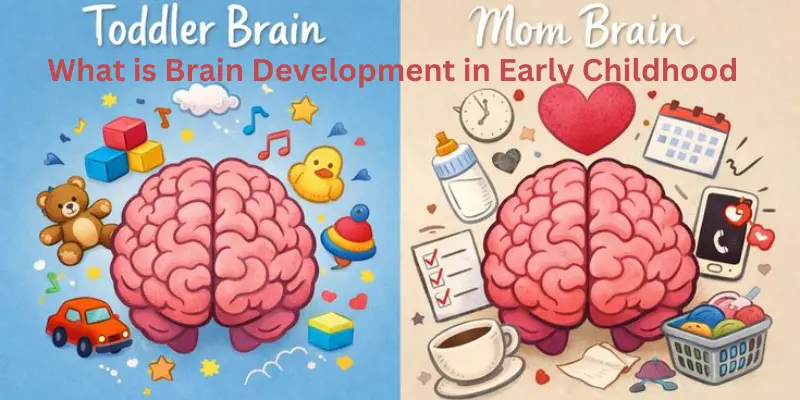
Neuroscience-Based Parenting Strategies for Supporting Brain Development in 2026
Advances in neuroscience continue to provide valuable insights into how parents can support brain development in early childhood. Research highlights the importance of responsive caregiving, meaningful interactions, and consistent routines.
Neuroscience-based parenting strategies emphasize talking with children, reading daily, encouraging play, and responding sensitively to emotional needs. These experiences strengthen neural connections and support cognitive, social, and emotional growth.
Parents can also promote development by ensuring adequate sleep, healthy nutrition, and regular physical activity. As research evolves in 2026, one principle remains consistent: nurturing relationships remain the most powerful influence on healthy brain development during the early years.
Frequently Asked Questions
What is brain development in early childhood?
Brain development in early childhood refers to the rapid growth and formation of neural connections that occur from birth through approximately age eight, supporting learning, behavior, emotions, and communication.
Why is early childhood important for brain development?
The early years are critical because the brain is highly adaptable and forms neural connections at a faster rate than any other stage of life.
At what age does most brain development occur?
A significant portion of brain development occurs during the first five years, with the brain reaching around 90% of its adult size by age five.
How does play support brain development?
Play strengthens neural connections, encourages problem-solving, supports creativity, and promotes social, emotional, and cognitive growth.
Can poor nutrition affect brain development?
Yes. Nutritional deficiencies can impact memory, attention, learning abilities, and overall cognitive development.
How can parents improve brain development in early childhood?
Parents can support brain development by talking, reading, playing, providing healthy nutrition, ensuring adequate sleep, and maintaining nurturing relationships.
Please Write Your Comments