What Is Holistic Development in Early Childhood? A Complete Guide for Parents and Educators
Updated: 07/06/2026
48
Holistic development in early childhood education refers to the growth of a child in all areas of life rather than focusing on a single skill or developmental milestone. It recognizes that children develop physically, emotionally, socially, cognitively, creatively, morally, and linguistically at the same time. Each area influences the others, creating a foundation for lifelong learning, health, relationships, and success.
Early childhood is one of the most important stages of human development. During these formative years, children build essential skills that shape how they think, communicate, interact with others, solve problems, and understand the world around them. A holistic approach ensures that every aspect of development receives attention and support.
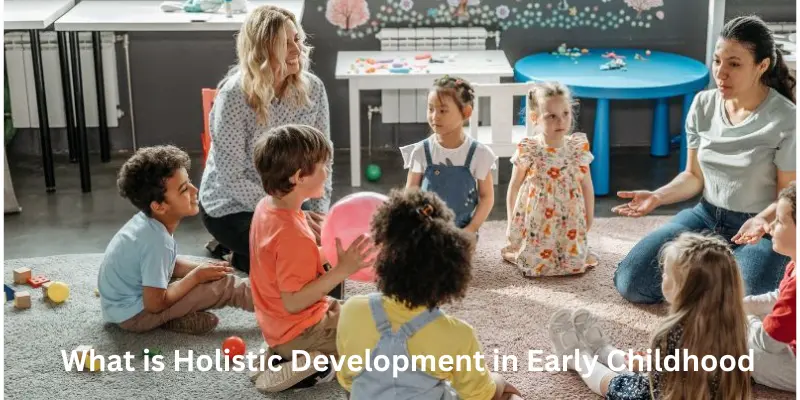
Instead of measuring success solely through academic achievement, holistic development emphasizes the whole child. It values emotional well-being, social competence, physical health, creativity, curiosity, and character alongside intellectual growth.
Why Holistic Development Matters During Early Childhood
The first few years of life are characterized by rapid brain development. Experiences during this period significantly influence future learning and behavior. When children receive balanced opportunities to grow in multiple areas, they are more likely to become confident, resilient, and capable individuals.
Holistic development helps children:
- Build strong emotional intelligence foundations
- Develop healthy relationships
- Improve communication skills
- Strengthen problem-solving abilities
- Enhance physical coordination
- Increase self-confidence
- Foster creativity and imagination
- Develop empathy and social awareness
- Adapt to new environments and challenges
Children who experience holistic growth often demonstrate better school readiness and stronger life skills as they mature.
The Core Components of Holistic Development
Physical Development
Physical development involves the growth of the body and the development of motor skills. Young children learn to control their movements, improve coordination, and build strength through active play and exploration.
Physical development includes:
- Gross motor skills such as running, jumping, and climbing
- Fine motor skills such as drawing, writing, and using utensils
- Balance and coordination
- Healthy eating habits
- Sleep routines
- Personal hygiene practices
Regular physical activity supports not only bodily growth but also cognitive and emotional well-being.
Cognitive Development
Cognitive development focuses on how children think, learn, remember, and solve problems. During early childhood, children are naturally curious and eager to explore their environment.
Cognitive growth involves:
- Memory development
- Critical thinking
- Problem-solving skills
- Decision-making abilities
- Attention and concentration
- Understanding cause and effect
- Early mathematical concepts
Providing opportunities for exploration, questioning, and discovery supports healthy cognitive development.
Emotional Development
Emotional development helps children recognize, express, and manage their feelings. Learning emotional regulation during early childhood creates a strong foundation for mental health and positive relationships.
Children develop emotional skills by:
- Identifying emotions
- Expressing feelings appropriately
- Managing frustration
- Building self-confidence
- Developing resilience
- Learning self-awareness
Supportive adults play a crucial role in helping children navigate emotions and build emotional intelligence.
Social Development
Social development focuses on a child’s ability to interact effectively with others. It involves learning social norms, cooperation, communication, and relationship-building skills.
Important social skills include:
- Sharing
- Taking turns
- Cooperation
- Listening
- Conflict resolution
- Empathy
- Respect for others
Positive social experiences prepare children for school, friendships, and community involvement.
Language and Communication Development
Language development enables children to express their needs, thoughts, and ideas. Effective communication skills influence academic success, social interactions, and emotional expression.
Language development includes:
- Vocabulary growth
- Listening skills
- Speaking abilities
- Storytelling
- Reading readiness
- Writing readiness
- Nonverbal communication
Children develop language skills through conversations, books, songs, and meaningful interactions.
Creative Development
Creativity allows children to explore ideas, solve problems, and express themselves in unique ways. Creative experiences stimulate imagination and encourage innovation.
Creative development may involve:
- Art activities
- Music
- Dance
- Dramatic play
- Story creation
- Building and designing
Creative thinking supports cognitive flexibility and emotional expression.
Moral and Ethical Development
Children gradually develop an understanding of right and wrong. Moral development helps them make responsible decisions and build positive character traits.
This area includes:
- Honesty
- Kindness
- Respect
- Responsibility
- Fairness
- Compassion
Consistent guidance and positive role models contribute significantly to moral growth.
How Different Areas of Development Are Connected
One of the defining characteristics of holistic development is the interconnected nature of developmental domains. Growth in one area often influences growth in another.
For example, physical activity can improve cognitive performance by increasing concentration and memory. Social interactions help children develop language skills. Emotional security supports learning and exploration. Creative activities strengthen problem-solving abilities.
A child learning to play with peers is simultaneously developing social, emotional, language, and cognitive skills. This interconnectedness highlights the importance of supporting the whole child rather than isolated developmental areas.
Key Principles of Holistic Development in Early Childhood
Child-Centered Learning
Every child develops at their own pace and has unique interests, strengths, and needs. Child-centered learning respects these differences and encourages individualized growth.
Learning Through Play
Play is one of the most effective ways children learn. Through play, children explore concepts, practice skills, and make sense of their experiences.
Positive Relationships
Strong relationships with parents, caregivers, teachers, and peers create a secure environment that supports healthy development.
Safe and Nurturing Environments
Children thrive when they feel safe, valued, and supported. Positive environments encourage exploration, confidence, and learning.
Active Participation
Children learn best when actively engaged in meaningful experiences rather than passively receiving information.
The Role of Parents in Supporting Holistic Development
Parents are a child’s first and most influential teachers. Daily interactions at home shape developmental outcomes and create opportunities for holistic growth.
Encourage Open Communication
Talking with children regularly strengthens language development and emotional understanding. Listening attentively helps children feel valued and understood.
Provide Opportunities for Play
Unstructured play allows children to explore their interests, develop creativity, and practice problem-solving skills.
Support Healthy Habits
Balanced nutrition, regular exercise, and sufficient sleep contribute to physical and cognitive development.
Foster Emotional Security
Children need consistent love, support, and encouragement. Positive relationships help them develop confidence and resilience.
Read Together Daily
Reading supports language development, imagination, literacy skills, and cognitive growth.
Promote Independence
Allowing children to make age-appropriate choices builds confidence and decision-making abilities.
The Role of Educators in Holistic Child Development
Educators play a vital role in creating learning environments that nurture every aspect of development.
Create Inclusive Learning Experiences
Classrooms should accommodate different learning styles, interests, and abilities.
Integrate Multiple Learning Areas
Activities that combine physical, social, cognitive, and creative elements support comprehensive development.
Observe and Assess Development
Regular observation helps educators identify strengths, challenges, and opportunities for growth.
Encourage Collaboration
Group activities help children develop social skills and teamwork abilities.
Model Positive Behavior
Teachers influence children’s attitudes, behaviors, and values through daily interactions.
Benefits of Holistic Development in Early Childhood
Stronger Academic Readiness
Children who experience balanced development often enter school with stronger foundational skills.
Improved Emotional Intelligence
Holistic approaches help children understand and manage emotions effectively.
Better Social Skills
Children develop the ability to form healthy relationships and communicate successfully.
Enhanced Problem-Solving Abilities
Exposure to varied experiences strengthens critical thinking and adaptability.
Greater Confidence and Self-Esteem
Children who feel competent across different areas of development tend to have higher self-confidence.
Lifelong Learning Mindset
Curiosity, creativity, and resilience foster a love of learning that continues throughout life.
Practical Activities That Promote Holistic Development
Outdoor Exploration
Nature walks, gardening, and outdoor games support physical, cognitive, and emotional growth.
Storytelling Sessions
Storytelling enhances language skills, imagination, and emotional understanding.
Art and Craft Projects
Creative activities encourage self-expression and fine motor development.
Music and Movement
Singing, dancing, and playing instruments support coordination, creativity, and social interaction.
Role-Playing Games
Pretend play develops communication, empathy, and problem-solving skills.
Family Conversations
Meaningful discussions strengthen language development and emotional connections.
Building Activities
Blocks, puzzles, and construction toys encourage cognitive and fine motor development.
Common Challenges to Holistic Development
Excessive Screen Time
Too much screen exposure can limit opportunities for physical activity, social interaction, and creative play.
Academic Pressure
Focusing exclusively on academic achievement may neglect emotional, social, and physical development.
Limited Outdoor Experiences
Reduced access to outdoor play can affect physical health and exploratory learning.
Lack of Social Interaction
Children need opportunities to interact with peers to develop essential social skills.
Inconsistent Routines
Predictable routines support emotional security and healthy development.
Signs of Healthy Holistic Development
Children experiencing healthy holistic development often demonstrate:
- Curiosity about the world
- Positive social interactions
- Age-appropriate communication skills
- Emotional awareness
- Physical coordination
- Creative expression
- Problem-solving abilities
- Confidence in new situations
- Willingness to learn
Development varies among children, and individual differences should always be respected.
How Early Childhood Programs Support Holistic Growth
Quality early childhood programs are designed to nurture every developmental domain. Effective programs provide:
- Play-based learning opportunities
- Social interaction experiences
- Physical activity
- Creative expression
- Emotional support
- Language-rich environments
- Individualized learning experiences
These programs recognize that children learn best when all aspects of development are supported simultaneously.
Long-Term Impact of Holistic Development
The benefits of holistic development extend far beyond early childhood. Children who receive comprehensive developmental support often grow into adults who are:
- Emotionally resilient
- Socially competent
- Physically healthy
- Lifelong learners
- Effective communicators
- Adaptable problem-solvers
- Confident decision-makers
The skills developed during the early years influence educational achievement, career success, relationships, and overall well-being throughout life.
Supporting Holistic Development in a Changing World
Modern society presents new opportunities and challenges for child development. Technology, changing family structures, and evolving educational approaches require parents and educators to remain flexible and responsive.
Maintaining a balance between digital learning, real-world experiences, social interaction, and physical activity is increasingly important. Children need opportunities to develop both traditional life skills and competencies relevant to the modern world.
The Impact of Artificial Intelligence on Early Childhood Learning
Artificial intelligence is transforming education by introducing personalized learning experiences for young children. AI-powered educational tools can adapt lessons based on a child’s pace, strengths, and learning needs. When used appropriately, AI supports engagement, creativity, and early skill development. Parents and educators should balance technology with hands-on learning, social interaction, and physical activities to ensure healthy child development.
Digital Literacy Skills for Preschool Children
Digital literacy has become an essential skill in the modern world. Preschool children can begin learning basic digital skills such as using educational apps, understanding online safety, and navigating age-appropriate technology. Guided exposure helps children develop confidence while encouraging responsible technology use. Digital literacy should complement traditional learning experiences rather than replace them.
Nature-Based Learning Activities for Child Development
Nature-based learning encourages children to explore, observe, and interact with the natural environment. Activities such as gardening, outdoor play, nature walks, and wildlife observation promote physical, cognitive, and emotional development. Spending time outdoors also improves creativity, problem-solving abilities, and overall well-being while fostering a lifelong appreciation for nature.
Mindfulness Practices for Young Children
Mindfulness practices help young children develop emotional awareness, self-regulation, and focus. Simple techniques such as deep breathing, guided relaxation, mindful listening, and gratitude exercises can support mental well-being. Regular mindfulness activities help children manage stress, improve concentration, and build positive emotional habits from an early age.
Building Emotional Resilience in Early Childhood
Emotional resilience enables children to cope with challenges, setbacks, and change. Parents and educators can foster resilience by encouraging problem-solving, promoting positive relationships, and teaching healthy emotional expression. Children who develop resilience are better equipped to handle difficulties, build confidence, and maintain a positive outlook throughout life.
STEM Education in Preschool Years
STEM education introduces young children to science, technology, engineering, and mathematics through hands-on exploration and play. Activities such as building structures, conducting simple experiments, and solving puzzles encourage critical thinking and creativity. Early STEM experiences help children develop curiosity and foundational skills that support future academic success.
Positive Parenting Strategies for Modern Families
Positive parenting focuses on nurturing strong parent-child relationships through respect, communication, and guidance. Effective strategies include active listening, consistent routines, positive reinforcement, and setting clear expectations. These approaches support emotional security, healthy behavior, and holistic development while strengthening family bonds.
The Importance of Executive Function Skills in Early Childhood
Executive function skills help children manage attention, control impulses, remember information, and complete tasks. These skills are critical for learning, social interactions, and daily activities. Parents and educators can strengthen executive functioning through structured routines, memory games, problem-solving activities, and opportunities for independent decision-making.
Screen Time Management for Toddlers and Preschoolers
Managing screen time is essential for healthy child development. Excessive screen use can reduce opportunities for physical activity, social interaction, and creative play. Establishing screen time limits, choosing high-quality educational content, and encouraging balanced daily activities help children benefit from technology while maintaining healthy developmental habits.
Inclusive Education and Supporting Diverse Learners in Early Childhood
Inclusive education ensures that all children, regardless of their abilities, backgrounds, or learning needs, have equal opportunities to learn and thrive. Supportive learning environments celebrate diversity, promote belonging, and provide individualized support. Inclusive practices help children develop empathy, respect, and social understanding while ensuring every child reaches their full potential.
Frequently Asked Questions
What is holistic development in early childhood?
Holistic development is an approach that supports a child’s physical, cognitive, emotional, social, language, creative, and moral growth simultaneously, helping them develop into well-rounded individuals.
Why is holistic development important for young children?
Holistic development builds a strong foundation for lifelong learning, emotional well-being, healthy relationships, and overall success by nurturing all areas of a child’s growth.
How can parents support holistic development at home?
Parents can encourage holistic development through play, reading, healthy routines, emotional support, social interactions, creative activities, and opportunities for independent learning.
What are the main components of holistic development?
The key components include physical, cognitive, emotional, social, language, creative, and moral development, all of which work together to support a child’s overall growth and well-being.
Conclusion
Holistic development in early childhood focuses on nurturing every aspect of a child’s growth, including physical, cognitive, emotional, social, creative, language, and moral development. This comprehensive approach recognizes that children learn and grow as whole individuals, with each developmental area influencing the others.
By creating supportive environments, encouraging meaningful experiences, and fostering positive relationships, parents and educators can help children reach their full potential. Investing in holistic development during the early years lays the foundation for lifelong success, well-being, and happiness.
Please Write Your Comments