Personality Development: Meaning, Importance, Factors, & Types
Updated: 16/02/2026
83
Personality development refers to the continuous process of shaping one’s behavior, thoughts, emotions, attitude, and overall character throughout life. It influences how individuals interact with others, handle challenges, and achieve personal and professional goals.
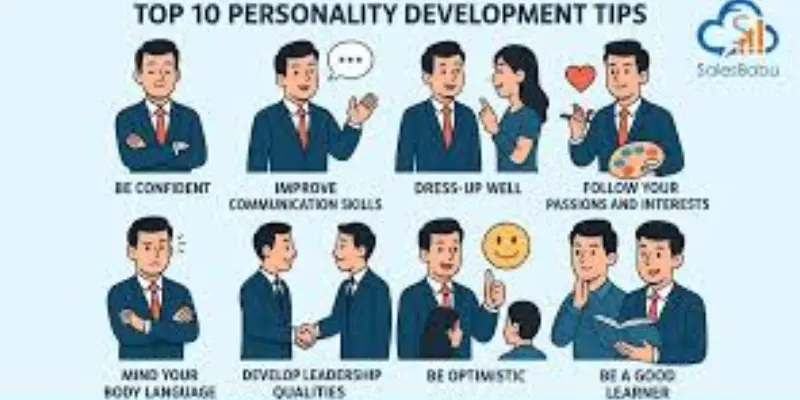
From early childhood to adulthood, personality development is affected by genetics, environment, education, culture, experiences, and mindset. A well-developed personality enhances confidence, communication skills, leadership ability, and emotional intelligence.
What Is Personality Development?
What is personality development process for building and improving personal traits, such as:
- Confidence
- Attitude and behavior
- Emotional stability
- Communication skills
- Moral values and ethics
It reflects who you are, how you think, how you react, and how you present yourself in social, academic, and professional settings.
Research-Backed Stats on Personality Development & Its Components
Emotional Intelligence and Mental Health
A large 2025 study of 647 university students found that core emotional intelligence dimensions — emotional attention, clarity, and repair — predicted mental health outcomes, including reduced stress, anxiety, and depression symptoms.
Personality & Self-Esteem
Research involving over 326,000 people showed that key personality traits (extraversion, emotional stability, conscientiousness) are strongly correlated with higher self-esteem, accounting for about 34 % of the variance in self-esteem levels.
Communication Skills & Personal Growth
Academic research measuring communication impact on personality traits found high effects across key growth areas — including confidence building, self-expression, positive attitude, leadership, and problem-solving skills.
APA Context — Personality Psychology
According to the American Psychological Association (APA), personality is a complex integration of traits that evolve through life and influence behavior, relationships, and well-being. Personality research is foundational to understanding individual differences.
Importance of Personality Development
Personality development plays a vital role in shaping a person’s identity and life outcomes. It directly affects decision-making, career growth, relationships, and self-esteem.
Key reasons why personality development is important:
- Improves self-confidence and self-awareness
- Enhances communication and interpersonal skills
- Supports career success and leadership
- Encourages positive behavior and discipline
- Helps manage stress and emotions effectively
A strong personality allows individuals to adapt, grow, and thrive in changing environments.
Key Elements of Personality Development
Personality development is made up of multiple interconnected components that work together.
1. Attitude
A positive attitude shapes optimistic thinking, resilience, and motivation.
2. Behavior
Behavior reflects how a person responds to people and situations.
3. Communication Skills
Effective verbal and non-verbal communication builds confidence and influence.
4. Emotional Intelligence
Understanding and managing emotions improves relationships and decision-making.
5. Self-Confidence
Confidence allows individuals to express themselves without fear or hesitation.
Types of Personality
Understanding personality types helps individuals recognize their strengths and areas for improvement.
1. Introvert Personality
Introverts prefer solitude, deep thinking, and limited social interaction.
2. Extrovert Personality
Extroverts are energetic, social, and thrive in group environments.
3. Ambivert Personality
Ambiverts balance introversion and extroversion depending on the situation.
4. Type A Personality
Competitive, ambitious, and goal-oriented.
5. Type B Personality
Relaxed, patient, and less stressed.
Major Factors Affecting Personality Development
Personality development is influenced by both internal and external factors.
1. Genetic Factors
Inherited traits such as temperament and emotional responses.
2. Family Environment
Parenting style, values, and emotional support shape early personality.
3. Education and Schooling
Teachers, peers, and learning environments influence social behavior.
4. Culture and Society
Cultural norms and traditions affect beliefs and attitudes.
5. Life Experiences
Successes, failures, trauma, and achievements mold personality over time.
Personality Development Theories
Several psychologists have explained personality development through theories.
1. Freud’s Psychoanalytic Theory
Focuses on unconscious mind, childhood experiences, id, ego, and superego.
2. Erikson’s Psychosocial Theory
Personality develops through eight life stages, each involving a conflict.
3. Trait Theory
Personality is made up of measurable traits like openness and conscientiousness.
4. Social Learning Theory
Behavior is learned through observation, imitation, and reinforcement.
Personality Development in Childhood
Childhood is the foundation stage of personality development.
- Early emotional bonding builds trust
- Positive reinforcement shapes behavior
- Social interaction improves communication skills
- Discipline teaches responsibility
Healthy childhood development leads to confident and emotionally stable adults.
Personality Development in Adolescence
Adolescence is a period of identity formation and self-discovery.
- Peer influence becomes strong
- Emotional sensitivity increases
- Self-esteem fluctuates
- Moral values begin to solidify
Guidance, education, and emotional support are crucial during this child development stage.
Personality Development in Adults
Personality development continues throughout adulthood.
- Career experiences shape confidence and leadership
- Relationships improve emotional intelligence
- Self-reflection enhances personal growth
- Lifelong learning refines skills and mindset
Adults can consciously improve personality through habits and self-discipline.
Role of Communication in Personality Development
Communication skills are central to personality development.
- Improves clarity of expression
- Builds strong relationships
- Enhances professional image
- Boosts confidence in public speaking
Effective communication reflects a mature and confident personality.
Role of Emotional Intelligence
Emotional intelligence (EQ) is the ability to understand and manage emotions.
High EQ helps in:
- Conflict resolution
- Stress management
- Empathy and compassion
- Better decision-making
Emotionally intelligent individuals are socially successful and mentally resilient.
Benefits of Personality Development
Improves confidence and self-image
Enhances leadership and teamwork
Strengthens personal and professional relationships
Supports mental health and emotional stability
Increases adaptability and resilience
A well-developed personality creates long-term success and fulfillment.
Personality Development Skills
Important skills include:
- Time management
- Public speaking
- Problem-solving
- Decision-making
- Critical thinking
These skills improve productivity and personal effectiveness.
Practical Ways to Improve Personality Development
1. Self-Awareness
Understand your strengths, weaknesses, and behavior patterns.
2. Positive Thinking
Replace negative thoughts with constructive beliefs.
3. Communication Practice
Engage in discussions, presentations, and active listening.
4. Reading and Learning
Books, courses, and seminars enhance knowledge and confidence.
5. Healthy Lifestyle
Exercise, sleep, and nutrition support emotional balance.
Personality Development vs Character Development
| Aspect | Personality Development | Character Development |
|---|---|---|
| Focus | Behavior & expression | Moral values |
| Visibility | External | Internal |
| Change | Can evolve | More stable |
| Impact | Social success | Ethical integrity |
Both are essential for holistic personal growth.
Common Myths About Personality Development
Personality cannot change
Personality can evolve with effort and awareness
Only extroverts succeed
Introverts can be equally successful
Confidence is inborn
Confidence is a learned skill
Role of Personality Development in Career Success
Employers value:
- Confidence and communication
- Leadership and teamwork
- Emotional intelligence
- Professional attitude
Strong personality development increases employability and career growth.
Challenges in Personality Development
- Low self-esteem
- Fear of failure
- Negative environment
- Lack of guidance
Overcoming these challenges requires consistency and self-belief.
Personality Development and Mental Health
Healthy personality development supports:
- Emotional regulation
- Stress management
- Positive relationships
- Psychological well-being
Mental health and personality growth are deeply interconnected.
Ethical and Moral Values in Personality Development
True personality development includes:
- Honesty
- Respect
- Responsibility
- Empathy
Ethical values build trust and long-term credibility.
Pros & Cons of Personality Development
Pros (Benefits)
| Pros | Positive Effects |
|---|---|
| Better Communication Skills | Leads to stronger relationships and career growth |
| Higher Self-Confidence | Supports decision-making and resilience |
| Positive Self-Image | Reduces fear and improves social ease |
| Improved Emotional Intelligence | Helps with stress, empathy, and conflict management |
| Professional Success | Employers value confidence and interpersonal skills |
Cons (Challenges)
| Cons | What to Watch |
|---|---|
| Slow Progress | Personality change takes time and consistency |
| Pressure to Conform | May dilute authenticity if forced |
| Overemphasis on Image | Can shift focus from internal growth |
| Emotional Discomfort | Facing weaknesses may be difficult |
| Social Anxiety | Introducing new behaviors can be stressful |
FAQs on Personality Development
1. What is personality development in simple words?
Personality development is the process of improving behavior, confidence, communication, and emotional skills.
2. Can personality development be learned?
Yes, personality development can be learned through practice, awareness, and consistent effort.
3. Why is personality development important for students?
It improves confidence, communication skills, academic performance, and social behavior.
4. What are the best personality development skills?
Communication, emotional intelligence, confidence, time management, and leadership.
5. At what age does personality development start?
Personality development starts in early childhood and continues throughout life.
6. How long does it take to improve personality?
Personality improvement is gradual and depends on dedication, habits, and mindset.
Summary: Personality Development
Personality development is a lifelong journey that shapes how individuals think, feel, and behave. Influenced by genetics, environment, education, and experiences, it plays a crucial role in personal happiness, professional success, and social relationships. By practicing self-awareness, emotional intelligence, communication skills, and positive habits, anyone can continuously improve their personality and lead a confident, balanced, and meaningful life.
Conclusion: Personality Development
Personality development isn’t just a buzzword — it’s a research-supported path to mental well-being, social success, and personal fulfillment. Studies show strong links between emotional intelligence, self-esteem, confidence, and healthier mental outcomes.
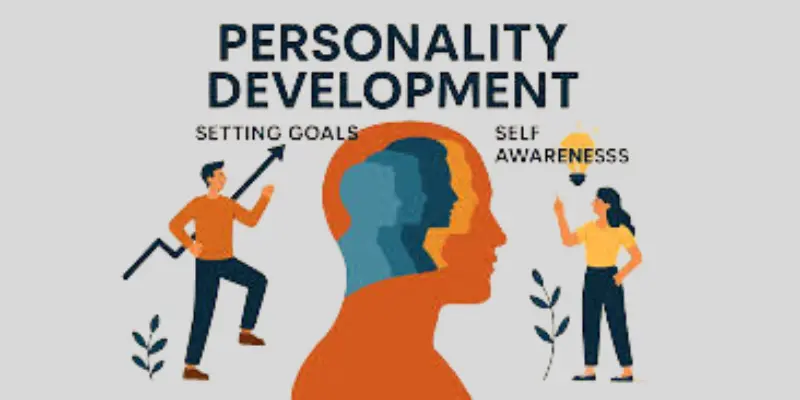
By consciously improving communication skills, emotional regulation, self-confidence, and critical thinking, individuals can build a personality that not only responds effectively to life’s challenges but thrives through them.
Investing in personality development is one of the most empowering steps a person can take — for success, stability, meaningful connections, and lifelong growth.
Please Write Your Comments