Parenting Skills: A Guide to Raising Confident and Strong Children
Updated: 01/01/2026
206
Parenting skills play a vital role in shaping a child’s emotional, social, and psychological development. From early childhood through adolescence, the way parents communicate, guide, and support their children directly influences behavior, confidence, decision-making, and long-term success. Strong parenting skills are not about being perfect; they are about being intentional, consistent, and responsive to a child’s evolving needs.
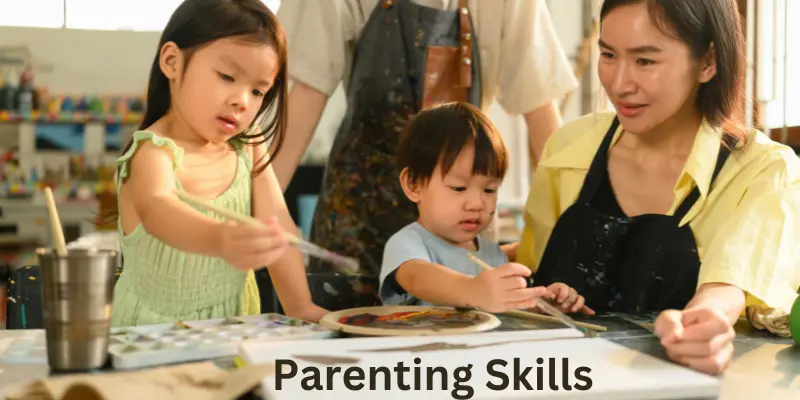
In today’s fast-paced, digitally driven world, effective parenting requires a balance of discipline, empathy, structure, and flexibility. This comprehensive guide explores essential parenting skills, backed by psychology and real-world experience, to help parents raise emotionally healthy, resilient, and confident children.
What Are Parenting Skills?
Parenting skills refer to the practical abilities, emotional intelligence, and behavioral strategies parents use to raise, nurture, and guide their children. These skills include communication, discipline, emotional regulation, problem-solving, and relationship-building.
Effective parenting skills evolve over time. What works for a toddler may not work for a teenager. Successful parents continuously adapt their approach based on a child’s age, temperament, and emotional needs.
How Parenting Skills Work
Parenting skills work by shaping a child’s behavior, emotions, and thinking through consistent guidance, communication, and emotional support. When parents set clear boundaries, model positive behavior, and respond with empathy, children learn self-control, confidence, and problem-solving skills. Over time, these daily interactions build trust, emotional intelligence, and resilience, helping children develop healthy habits and strong character.
Why Parenting Skills Matter
Good parenting skills influence nearly every aspect of a child’s life. Research in child psychology shows that children raised with positive parenting practices tend to perform better academically, develop healthier relationships, and demonstrate stronger emotional regulation.
Key benefits of good parenting skills include:
- Improved child behavior and cooperation
- Stronger parent-child bonding
- Higher emotional intelligence in children
- Better stress management and resilience
- Reduced anxiety, aggression, and behavioral problems
Parenting is not instinct alone—it is a learned skill that improves with awareness and practice.
Core Parenting Skills Every Parent Should Develop
1. Effective Communication Skills
Communication is the foundation of strong parenting. Children who feel heard and understood are more likely to cooperate and express emotions in healthy ways.
Key communication parenting skills include:
- Active listening without interruption
- Using age-appropriate language
- Encouraging open conversations
- Avoiding criticism and sarcasm
Positive communication helps children feel safe sharing their thoughts and emotions, strengthening trust and connection.
2. Emotional Intelligence and Empathy
Emotionally intelligent parenting involves recognizing, understanding, and managing both your own emotions and your child’s emotions. Teaching children how to label and process feelings builds lifelong emotional resilience.
Parents who show empathy help children feel validated rather than dismissed. This skill is essential for reducing tantrums, defiance, and emotional outbursts.
3. Discipline and Boundary-Setting Skills
Discipline is not punishment; it is guidance. Healthy discipline teaches responsibility, self-control, and accountability.
Effective discipline strategies include:
- Setting clear and consistent rules
- Explaining consequences calmly
- Using positive reinforcement
- Avoiding physical or harsh punishment
Consistent boundaries create a sense of security and help children understand expectations.
4. Consistency and Routine Management
Consistency is one of the most overlooked yet powerful parenting skills. Children thrive in predictable environments where rules, routines, and expectations remain stable.
Daily routines for sleep, meals, study, and play reduce anxiety and improve behavior. Consistency also reinforces discipline and builds trust.
5. Positive Reinforcement and Encouragement
Recognizing effort rather than perfection boosts self-esteem and motivation. Positive reinforcement teaches children that good behavior leads to positive outcomes.
This parenting skill encourages confidence, resilience, and a growth mindset in children.
6. Problem-Solving and Decision-Making Skills
Parents are role models. Children learn how to solve problems by observing how parents handle challenges. Involving children in age-appropriate decision-making builds independence and critical thinking.
Parenting Skills by Age Group
Parenting Skills for Toddlers (1–3 Years)
Toddlers are learning independence but lack emotional regulation. Parents must combine patience with structure.
Key skills include:
- Managing tantrums calmly
- Using simple language
- Offering choices to build autonomy
- Maintaining consistent routines
Parenting Skills for Preschoolers (3–5 Years)
At this stage, children develop social skills and emotional awareness.
Important skills include:
- Teaching empathy and sharing
- Encouraging curiosity and play-based learning
- Reinforcing positive behavior
- Modeling respectful communication
Parenting Skills for School-Age Children (6–12 Years)
Children become more independent and influenced by peers.
Parents should focus on:
- Supporting academic responsibility
- Teaching problem-solving skills
- Encouraging emotional expression
- Balancing discipline with freedom
Parenting Skills for Teenagers (13–18 Years)
Teen parenting requires trust, communication, and flexibility.
Critical skills include:
- Active listening without judgment
- Respecting independence while setting boundaries
- Discussing real-life consequences
- Providing emotional support
Strong parenting skills during adolescence help prevent risky behaviors and strengthen long-term relationships.
Modern Parenting Skills in the Digital Age
Technology has reshaped parenting challenges. Managing screen time, online safety, and digital behavior requires updated parenting skills.
Key digital parenting skills:
- Setting screen time limits
- Teaching responsible social media use
- Monitoring online activity respectfully
- Encouraging offline hobbies and family time
Digital parenting is about guidance, not control.
Common Parenting Skill Mistakes to Avoid
Even well-intentioned parents make mistakes. Awareness helps prevent long-term issues.
Common mistakes include:
- Inconsistent rules
- Overprotective parenting
- Harsh discipline
- Poor emotional regulation
- Lack of communication
Improving parenting skills starts with self-reflection and willingness to grow.
How to Improve Parenting Skills
Parenting skills can always be improved, regardless of experience.
Practical ways to enhance parenting skills:
- Read parenting books backed by psychology
- Attend parenting workshops or classes
- Seek guidance from child psychologists
- Practice mindfulness and stress management
- Learn from mistakes without guilt
Good parenting is about progress, not perfection.
Parenting Skills and Child Psychology
Child psychology emphasizes that parenting styles and skills shape emotional development. Authoritative parenting—characterized by warmth, structure, and communication—is consistently linked to positive outcomes.
Understanding child psychology helps parents respond to behavior with empathy rather than frustration.
The Long-Term Impact of Strong Parenting Skills
Children raised with strong parenting skills are more likely to:
- Develop healthy relationships
- Handle stress effectively
- Show emotional intelligence
- Make responsible decisions
- Become confident adults
Parenting skills influence not just childhood, but adulthood as well.
Frequently Asked Questions (FAQs)
1. What are the most important parenting skills?
The most important parenting skills include communication, emotional intelligence, consistency, discipline, and empathy. These skills help build trust, confidence, and emotional stability in children.
2. Can parenting skills be learned?
Yes, parenting skills can be learned and improved at any stage. Parenting classes, books, counseling, and real-life practice help parents develop better skills over time.
3. How do parenting skills affect child behavior?
Strong parenting skills lead to better behavior, emotional regulation, and social skills. Poor or inconsistent parenting skills often contribute to behavioral and emotional challenges.
4. Are parenting skills different for each child?
Yes, parenting skills must be adapted to each child’s personality, age, and emotional needs. What works for one child may not work for another.
5. How can parents improve communication with their children?
Parents can improve communication by actively listening, avoiding judgment, validating emotions, and encouraging open dialogue in a safe environment.
6. Do parenting skills impact adulthood?
Absolutely. Parenting skills influence a child’s confidence, emotional intelligence, relationships, and decision-making well into adulthood.
Summary: Parenting Skills
Parenting skills are the backbone of raising emotionally healthy, confident, and responsible children. From communication and discipline to empathy and consistency, these skills shape a child’s behavior, mindset, and future success. Parenting is a lifelong learning process, and improving these skills benefits both parents and children. With patience, awareness, and adaptability, every parent can develop effective parenting skills that nurture growth, resilience, and strong family bonds.
Conclusion: Parenting Skills
Parenting skills are the foundation of raising emotionally healthy, confident, and responsible children. By practicing effective communication, consistent discipline, empathy, and adaptability, parents can positively influence their child’s development at every stage. While parenting has challenges, continuously improving parenting skills leads to stronger family bonds and long-term success for both parents and children.
Please Write Your Comments