Parenting: A Guide to Raising Confident, Healthy, and Happy Children
Updated: 03/01/2026
180
Introduction
Parenting is one of the most meaningful yet challenging journeys a person can experience. From the moment a child is born, parents take on the responsibility of nurturing not only physical growth but also emotional, social, and mental development. In today’s fast-changing world, parenting goes far beyond providing food, shelter, and education—it involves building values, resilience, empathy, and confidence in children.

Modern parenting is influenced by many factors, including cultural expectations, technology, mental health awareness, and evolving family structures. Parents often search for answers to common questions such as “What is good parenting?”, “Which parenting style is best?”, or “How can I raise a well-behaved and emotionally strong child?” These concerns highlight the importance of informed and intentional parenting.
This comprehensive guide to parenting is designed to help parents, caregivers, and guardians understand the core principles of raising children effectively. By combining practical experience, expert insights, and research-backed strategies, this article provides trustworthy, actionable guidance for parents at every stage of their child’s life.
What Is Parenting?
Parenting refers to the process of supporting and promoting a child’s physical, emotional, intellectual, and social development from infancy to adulthood. It involves daily decisions, long-term planning, and consistent guidance that shapes a child’s personality, behavior, and future well-being.
At its core, parenting is about building a secure relationship between parent and child. This relationship is based on love, trust, communication, and appropriate boundaries. Effective parenting balances nurturing with discipline, freedom with responsibility, and guidance with independence.
Parenting is not limited to biological parents. Adoptive parents, foster parents, grandparents, and guardians also play vital parenting roles. Regardless of family structure, the goal of parenting remains the same: to raise children who are emotionally healthy, socially responsible, and capable of making positive life choices.
It is important to understand that there is no single “perfect” way of parenting. Cultural values, personal experiences, and a child’s individual temperament all influence parenting approaches. What matters most is intentional parenting—being aware of your actions, learning from mistakes, and adapting strategies to meet your child’s evolving needs.
Importance of Parenting in Child Development
Parenting plays a critical role in every aspect of child development. Research in psychology and child development consistently shows that a child’s early environment, especially parental involvement, has long-lasting effects on brain development, emotional regulation, and social skills.
Emotionally, positive parenting helps children develop secure attachment. When parents respond consistently and empathetically to a child’s needs, children learn to trust others and manage their emotions effectively. This emotional security reduces the risk of anxiety, depression, and behavioral problems later in life.
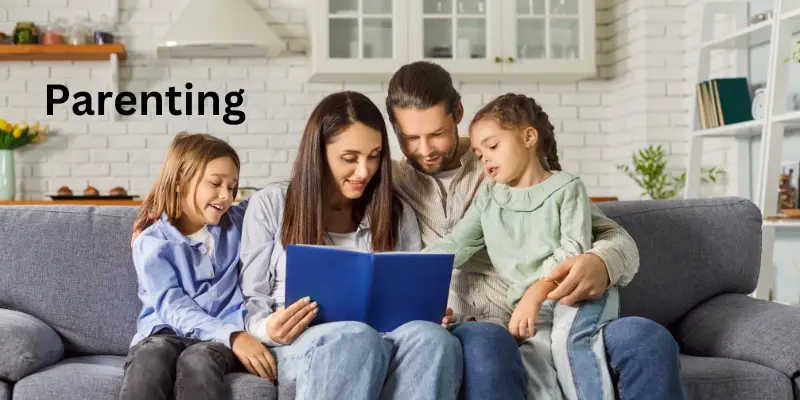
Cognitively, engaged parenting supports language development, problem-solving skills, and academic success. Simple activities such as reading together, talking openly, and encouraging curiosity can significantly enhance a child’s intellectual growth.
Socially, parenting teaches children how to interact with others. Parents model behaviors such as empathy, respect, conflict resolution, and cooperation. Children often mirror what they observe at home, making parental behavior a powerful teaching tool.
Parenting also influences moral and ethical development. Values such as honesty, responsibility, kindness, and self-discipline are usually learned first within the family. Consistent guidance helps children understand right from wrong and make ethical decisions as they grow.
In the long term, effective parenting contributes to confident, resilient adults who are better equipped to handle life’s challenges. This highlights why parenting is not just a personal responsibility but also a crucial factor in building healthy societies.
Types of Parenting Styles
Understanding different parenting styles helps parents identify their own approach and make improvements where needed. Psychologists commonly identify four main parenting styles:
Authoritative Parenting
Authoritative parenting is widely considered the most effective style. It combines warmth, support, and clear boundaries. Parents set rules but also explain the reasons behind them and encourage open communication. Children raised with authoritative parenting tend to be confident, responsible, and emotionally balanced.
Authoritarian Parenting
Authoritarian parents focus on strict rules and discipline, often with little emotional warmth. Obedience is highly valued, and children are rarely involved in decision-making. While this style may produce disciplined children, it can also lead to low self-esteem, fearfulness, or rebellion.
Permissive Parenting
Permissive parents are warm and loving but provide very few rules or boundaries. Children are often allowed to make their own decisions at a young age. This parenting style may result in children who struggle with self-control, responsibility, and respect for limits.
Neglectful (Uninvolved) Parenting
Neglectful parenting involves minimal emotional involvement and guidance. Parents may provide basic needs but lack engagement. This style is associated with negative outcomes, including behavioral issues, poor academic performance, and emotional difficulties.
Many parents naturally use a mix of styles depending on situations. However, moving toward an authoritative parenting approach is generally recommended, as it supports healthy emotional development while maintaining structure and discipline.
Essential Parenting Skills Every Parent Should Develop
Effective parenting relies on a set of core skills that can be learned and strengthened over time. One of the most important parenting skills is communication. Listening actively and speaking respectfully helps children feel understood and valued.
Emotional regulation is another key skill. Parents who manage their own stress and emotions are better equipped to respond calmly to challenging behaviors. This teaches children how to cope with frustration and conflict in healthy ways.
Consistency is essential in parenting. Clear and predictable rules help children feel secure and understand expectations. Inconsistent parenting can confuse children and lead to behavioral problems.
Empathy allows parents to see situations from their child’s perspective. Empathetic parenting builds trust and strengthens the parent-child bond.
Finally, problem-solving and adaptability are crucial. Children grow and change rapidly, and parenting strategies must evolve accordingly. Parents who remain flexible and open to learning are more likely to succeed in raising well-adjusted children.
Parenting at Different Stages of a Child’s Life
Parenting needs change as children grow, and understanding each developmental stage helps parents provide appropriate support.
Infancy (0–2 years)
Parenting during infancy focuses on bonding, safety, and meeting basic needs. Responsive caregiving builds secure attachment and supports brain development.
Early Childhood (3–5 years)
This stage emphasizes learning through play, emotional expression, and basic discipline. Positive reinforcement and routines are especially effective.
Middle Childhood (6–12 years)
School-age children benefit from structure, encouragement, and growing independence. Parents play a key role in supporting academics, friendships, and self-esteem.
Adolescence (13–18 years)
Parenting teenagers requires patience and communication. While teens seek independence, they still need guidance, boundaries, and emotional support.
Adapting parenting strategies at each stage helps children develop confidence, responsibility, and resilience.
Common Parenting Challenges & How to Handle Them
Parents often face challenges such as discipline issues, screen time management, sibling rivalry, and work-life balance. Addressing these challenges requires consistency, communication, and realistic expectations.
For example, discipline works best when it focuses on teaching rather than punishment. Screen time challenges can be managed by setting clear limits and modeling healthy technology use. Seeking support from parenting resources or professionals is also a sign of responsible parenting.
Positive Parenting Techniques
Positive parenting emphasizes encouragement, respect, and connection. Techniques include praising effort rather than results, setting clear expectations, and using natural consequences. Research-backed positive parenting strategies help build emotional intelligence and long-term behavioral success.
Parenting in the Digital Age
Modern parenting includes navigating social media, smartphones, and online learning. Teaching digital responsibility, monitoring screen time, and maintaining open conversations about online safety are essential aspects of parenting today.
Role of Mental Health in Parenting
Parental mental health plays a crucial role in a child’s development, as stressed or anxious parents can unintentionally affect a child’s emotional well-being. Prioritizing self-care, stress management, and emotional balance helps parents respond calmly and effectively. Awareness of mental health challenges allows parents to seek professional support when needed, fostering a healthier family environment. Strong mental health in parents also models emotional resilience and coping skills for children. Ultimately, nurturing both parent and child well-being creates a stable and supportive household.
Parenting Myths vs Facts
Parenting is often surrounded by myths that can mislead even well-intentioned parents. For example, the belief that strict discipline guarantees success is false—balanced guidance is far more effective. Another common myth is that good parents never make mistakes, whereas learning from errors is a vital part of growth. Positive parenting focuses on connection, empathy, and consistency rather than perfection. Understanding these facts helps parents raise confident, emotionally healthy, and well-adjusted children.
Expert Tips for Effective Parenting
Expert tips for effective parenting emphasize the importance of communication, consistency, and emotional support. Parents are encouraged to actively listen to their children, validate their feelings, and set clear, reasonable boundaries. Practicing patience, modeling positive behavior, and staying informed about child development strengthens the parent-child bond. Experts also highlight the value of self-care, adaptability, and seeking guidance when needed to handle challenges effectively. These strategies help parents raise confident, resilient, and well-rounded children.
Frequently Asked Questions About Parenting
1. What is the most effective parenting style?
The authoritative parenting style is widely considered most effective, balancing warmth with clear boundaries. It encourages independence while promoting discipline and emotional security.
2. How can I become a better parent?
Focus on active listening, empathy, and consistency. Learn from experiences, set realistic expectations, and prioritize quality time with your child.
3. Is strict parenting harmful?
Excessive strictness can lead to fear, low self-esteem, and rebellion. A balanced approach that combines guidance with support is generally healthier for children.
4. How much screen time is healthy for kids?
Screen time should be age-appropriate: under 2 years minimal, 2–5 years limited to about 1 hour/day, and older children guided with boundaries to ensure balance with offline activities.
5. Can parenting styles change over time?
Yes, parenting styles can evolve based on a child’s needs, experiences, and parental growth. Flexibility and self-awareness help parents adapt effectively.
6. What are the signs of good parenting?
Good parenting is reflected in a child’s confidence, emotional well-being, social skills, and sense of responsibility, along with consistent guidance and nurturing from the parent.
14. Future Trends in Parenting
The future of parenting is evolving with a stronger focus on conscious and mindful parenting, where emotional intelligence and empathy take center stage. Technology-assisted parenting is becoming common, with apps and smart devices helping track children’s activities and learning progress. There is a growing emphasis on mental health awareness for both parents and children, ensuring balanced emotional well-being. Flexible and adaptive parenting styles are replacing rigid methods, allowing parents to respond to individual child needs. Finally, global perspectives and diverse family models are influencing parenting approaches, promoting inclusivity and understanding in raising children.
Summary
Parenting is the lifelong process of nurturing a child’s physical, emotional, social, and mental development. It involves building strong relationships through love, communication, guidance, and consistent boundaries. Effective parenting adapts to a child’s changing needs at different life stages while promoting confidence, resilience, and positive values. By using informed, empathetic, and balanced approaches, parents play a crucial role in shaping a child’s well-being and future success.
Conclusion: The Journey of Parenting
Parenting is a rewarding yet challenging journey that shapes both the child and the parent. It requires patience, empathy, consistency, and the ability to adapt to each stage of a child’s growth. Effective parenting fosters emotional security, resilience, and strong values, helping children navigate life with confidence. By combining love, guidance, and positive techniques, parents create a nurturing environment where children can thrive. Ultimately, parenting is not just about raising children—it’s about building a foundation for a healthier, happier future for the entire family.
Please Write Your Comments