Good Parenting: A Complete Guide for Raising Happy, Confident Children
Updated: 03/01/2026
131
Introduction
Good parenting is the foundation of a child’s emotional, mental, and social development. It goes beyond providing food, shelter, and education—it involves nurturing values, building emotional intelligence, and creating a safe environment where children feel loved and understood. In today’s fast-changing world, parents face new challenges that require thoughtful, informed, and balanced parenting approaches.
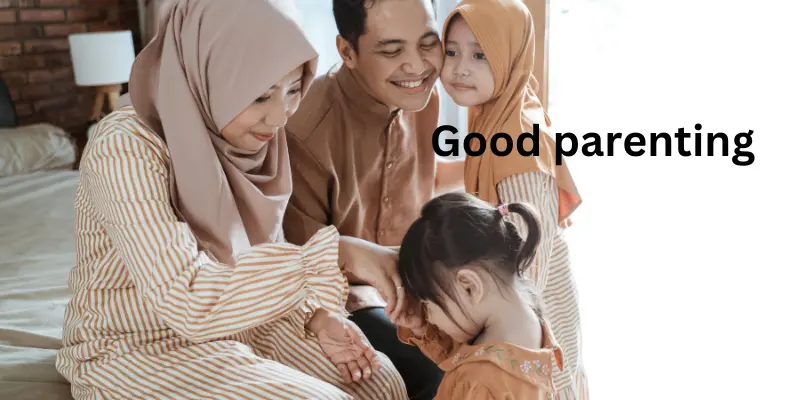
This comprehensive guide explains the meaning of good parenting, its core principles, benefits, and practical strategies backed by psychology and child development research. Whether you are a new parent or experienced caregiver, understanding good parenting practices can help you raise confident, responsible, and emotionally resilient children.
What Is Good Parenting?
Good parenting refers to consistent, supportive, and respectful parenting practices that promote a child’s overall well-being. It focuses on emotional connection, guidance, discipline, and positive communication rather than punishment or control.
A good parent balances love with structure, freedom with responsibility, and guidance with independence. Instead of aiming for perfection, good parenting prioritizes growth, learning, and healthy relationships.
Why Good Parenting Is Important for Child Development
Good parenting plays a crucial role in shaping a child’s personality, behavior, and future success. Research in child psychology shows that children raised with positive parenting methods develop better emotional regulation, stronger social skills, and higher self-esteem.
Supportive parenting helps children feel secure, valued, and confident. This emotional stability allows them to perform better academically, build healthier relationships, and make responsible decisions in adulthood.
Core Principles of Good Parenting
1. Love and Emotional Support
Children thrive when they feel loved unconditionally. Expressing affection, listening actively, and validating emotions are essential aspects of good parenting. Emotional support builds trust and strengthens the parent-child bond.
When children feel emotionally safe, they are more open to guidance, learning, and personal growth.
2. Consistency and Structure
Consistency helps children understand expectations and boundaries. Clear rules, routines, and consequences create a sense of stability and security. Good parenting does not mean strict control—it means predictable and fair guidance.
3. Positive Discipline
Positive discipline focuses on teaching rather than punishing. It helps children understand the impact of their actions while encouraging responsibility and empathy.
Good parents use calm communication, logical consequences, and problem-solving techniques to guide behavior instead of fear or harsh punishment.
4. Open Communication
Healthy communication is a key element of good parenting. Encouraging children to express their thoughts and feelings strengthens emotional intelligence and mutual respect.
Active listening and age-appropriate conversations help children feel heard, valued, and understood.
5. Leading by Example
Children learn more from what parents do than what they say. Modeling kindness, honesty, patience, and responsibility reinforces positive behavior.
Good parenting involves self-reflection and personal growth, as children often mirror parental attitudes and actions.
Characteristics of Good Parenting
Good parenting is not about being perfect; it is about being present, patient, and responsive. Some common characteristics include:
- Empathy and emotional awareness
- Fair and respectful discipline
- Encouragement and positive reinforcement
- Flexibility and adaptability
- Respect for a child’s individuality
These traits help parents create a nurturing and empowering home environment.
Good Parenting vs Bad Parenting
Good parenting emphasizes guidance, respect, and emotional connection, while bad parenting often relies on fear, neglect, or excessive control. Children exposed to poor parenting practices may experience low self-esteem, anxiety, or behavioral issues.
Understanding this difference allows parents to consciously adopt healthier parenting habits that support long-term child development.
Good Parenting Skills Every Parent Should Learn
Emotional Intelligence
Emotionally intelligent parenting helps children identify, understand, and manage their emotions. This skill is vital for mental health and social success.
Patience and Stress Management
Parenting can be challenging, but managing stress calmly sets a positive example. Good parents respond thoughtfully rather than reacting emotionally.
Problem-Solving and Decision-Making
Teaching children how to solve problems independently fosters confidence and critical thinking. Good parenting encourages learning from mistakes.
Time Management and Quality Time
Spending quality time together strengthens emotional bonds. Even small daily interactions can have a lasting impact on a child’s sense of security.
Good Parenting at Different Stages of Childhood
Good Parenting for Infants
At this stage, responsiveness, bonding, and routine are essential. Meeting emotional and physical needs builds trust and attachment.
Good Parenting for Toddlers
Toddlers need guidance, patience, and gentle discipline. Encouraging independence while maintaining boundaries is key.
Good Parenting for School-Age Children
Structure, encouragement, and academic support become important. Open communication helps children navigate social and emotional challenges.
Good Parenting for Teenagers
Teen parenting requires trust, communication, and mutual respect. Allowing independence while providing guidance supports healthy decision-making.
Benefits of Good Parenting
Good parenting has long-term benefits for both children and parents. Children raised with positive parenting practices are more likely to develop:
- High self-confidence
- Emotional resilience
- Strong communication skills
- Healthy relationships
- Better academic and career outcomes
Parents also experience stronger family bonds and reduced stress.
Common Challenges in Good Parenting
Every parent faces challenges such as time pressure, behavioral issues, or balancing work and family life. Good parenting involves adaptability and continuous learning.
Seeking parenting advice, professional guidance, or community support can help overcome these challenges effectively.
How Good Parenting Supports Mental Health
A nurturing parenting style reduces the risk of anxiety, depression, and behavioral disorders in children. Emotional validation and consistent support create a secure environment for mental well-being.
Children who feel emotionally supported are more likely to seek help when facing difficulties later in life.
Good Parenting in the Digital Age
Modern parenting includes managing screen time, online safety, and digital behavior. Good parenting promotes healthy technology habits while encouraging offline activities and family interaction.
Open discussions about digital responsibility help children develop balanced screen usage habits.
Evidence-Based Parenting and EEAT
Good parenting aligns with EEAT (Experience, Expertise, Authoritativeness, and Trustworthiness) by incorporating:
- Research-backed parenting techniques
- Insights from child psychology and education
- Practical real-world parenting experience
- Reliable and ethical parenting guidance
This approach ensures credibility and long-term value for parents seeking trustworthy advice.
Frequently Asked Questions (FAQs)
1. What does good parenting mean?
Good parenting means providing emotional support, guidance, discipline, and love to help children grow into confident and responsible individuals.
2. Is good parenting the same for every child?
No, good parenting adapts to each child’s personality, age, and emotional needs while maintaining consistent values and boundaries.
3. Can good parenting prevent behavior problems?
Positive parenting reduces behavioral issues by teaching emotional regulation, responsibility, and problem-solving skills.
4. How can parents improve their parenting skills?
Parents can improve by learning evidence-based techniques, practicing self-reflection, and seeking expert parenting advice when needed.
5. Does good parenting affect adulthood?
Yes, children raised with good parenting often develop healthier relationships, better mental health, and stronger life skills in adulthood.
6. Is discipline part of good parenting?
Yes, discipline is essential when it is respectful, consistent, and focused on teaching rather than punishment.
Summary
Good parenting is about creating a loving, supportive, and structured environment where children feel safe, valued, and understood. It focuses on emotional connection, positive discipline, open communication, and consistent guidance rather than control or punishment. By modeling respectful behavior and adapting to a child’s developmental needs, parents help build confidence, resilience, and strong character.
Ultimately, good parenting shapes a child’s mental, emotional, and social well-being well into adulthood. When parents practice patience, empathy, and informed decision-making, they lay the foundation for healthy relationships, lifelong learning, and responsible independence.

Conclusion
Good parenting shapes the future of children and society as a whole. It builds emotionally strong individuals who contribute positively to their communities. While no parent is perfect, intentional, informed, and compassionate parenting makes a lasting difference.
By practicing good parenting principles—love, consistency, communication, and guidance—parents can raise confident, responsible, and emotionally healthy children prepared for life’s challenges.
Please Write Your Comments