Child Psychology: A Complete Guide To Child Development, Behavior And Emotional Growth (2025)
Updated: 01/12/2025
195
Child Psychology—also known as Developmental Psychology—studies the emotional, cognitive, physical, and social development of children from birth to adolescence. It helps parents, teachers, and caregivers understand why children behave the way they do, how they think, how they learn, and what factors affect their overall growth.
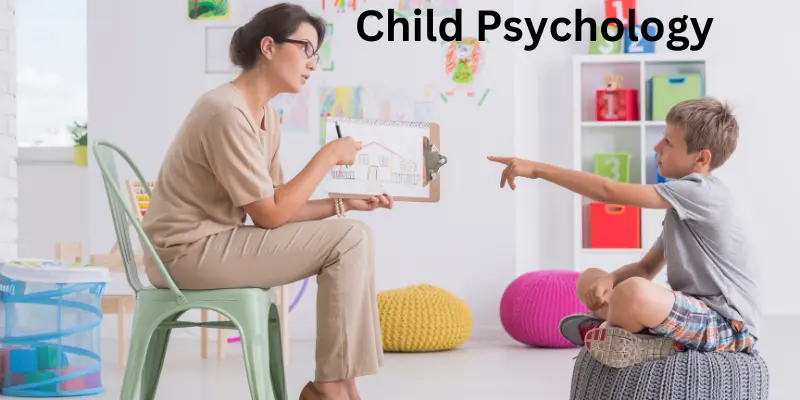
With rising awareness about mental health, Child Psychology has become one of the most searched and important topics online, especially for parents looking for guidance on:
- Child behavior problems
- Emotional development in children
- Learning difficulties
- Child brain development stages
- How to improve child confidence
- Best parenting styles for healthy development
A solid understanding of child psychology provides parents with the tools they need to boost a child’s emotional intelligence, self-esteem, academic success, and mental well-being.
what is Psychology
Psychology is the scientific study of the human mind and behavior. It explores how people think, feel, learn, and interact with others in different situations. Psychology helps us understand emotions, personality, motivation, and mental processes. It also examines how biological, social, and environmental factors influence behavior. By applying psychological principles, individuals and professionals can improve mental health, relationships, learning, and overall well-being.
What Is Child Psychology?
Child Psychology is a scientific study of how children develop mentally, emotionally, socially, and behaviorally from infancy to adolescence. It explores areas such as:
- Cognitive development (thinking, learning, problem-solving)
- Emotional development (feelings, empathy, self-control)
- Behavioral development (habits, actions, reactions)
- Social development (interactions, friendships, communication)
- Personality development
Child psychology also examines how external factors influence growth, including:
- Parenting style
- Home environment
- School environment
- Culture and society
- Nutrition and physical health
- Trauma, stress, or adverse experiences
The Fields Of Psychology gives parents science-backed methods to better understand their child’s needs.
Types of Child Psychology
Child Psychology includes several branches that focus on different areas of a child’s growth. Below are the main types:
1. Developmental Psychology
Focuses on how children grow physically, emotionally, mentally, and socially from birth to adolescence.
It studies development stages, milestones, and age-appropriate behavior.
2. Cognitive Psychology
Deals with the child’s thinking process — learning, memory, perception, language, and problem-solving.
Used to understand academic performance, slow learning, and learning disabilities.
3. Behavioral Psychology
Studies observable actions and behavior patterns such as habits, reactions, discipline, aggression, fear, or tantrums.
Helps parents manage problematic or challenging behavior.
4. Emotional Psychology
Focuses on how children understand, express, and manage emotions such as anger, fear, happiness, guilt, shame, and empathy.
Important for emotional intelligence (EQ) development.
5. Social Psychology
Examines how children interact with peers, family, teachers, and society.
Includes friendships, communication, cooperation, bullying behavior, and social skills.
6. Personality Psychology
Studies personality traits, temperament, and how they shape a child’s future behavior and decision-making.
Includes introversion, extroversion, confidence, self-esteem, and individuality.
7. Educational Psychology
Explores learning patterns, teaching techniques, and academic performance in school.
Used to support slow learners, ADHD, dyslexia, and other learning difficulties.
8. Clinical Child Psychology
Focuses on diagnosing and treating emotional, behavioral, developmental, and mental disorders in children.
Includes therapy for anxiety, depression, trauma, ADHD, autism, etc.
9. Pediatric Psychology
Deals with how physical health, illness, and medical conditions affect a child’s mental and emotional well-being.
Used in hospitals for children with chronic illnesses.
10. Neuropsychology
Studies the relationship between the brain and behavior.
Uses brain-based assessments to diagnose ADHD, autism, memory issues, and cognitive delays.
Pros and Cons of Child Psychology
Below is a balanced list of advantages and limitations of using child psychology.
Pros of Child Psychology
1. Early Identification of Problems
Helps detect behavior issues, emotional disorders, learning disabilities, or developmental delays at an early stage.
2. Better Parenting Strategies
Gives parents science-based methods to understand and guide their child effectively.
3. Improved Communication
Enhances parent-child communication and builds strong emotional bonding.
4. Supports Emotional Intelligence
Helps develop empathy, self-awareness, and emotional regulation in children.
5. Boosts Academic Performance
Educational psychology improves focus, learning, motivation, and problem-solving.
6. Reduces Behavioral Issues
Provides strategies to manage aggression, tantrums, impulsivity, or disobedience.
7. Helps Children Cope With Stress and Anxiety
Therapy and psychological support help children deal with trauma, fear, and stress.
8. Builds Confidence and Self-Esteem
Positive reinforcement and emotional support shape a healthier self-image.
9. Supports Healthy Social Skills
Improves communication, teamwork, friendship, and relationship-building skills.
10. Prevents Future Mental Health Issues
Early psychological support reduces risks of adult emotional or behavioral disorders.
Cons of Child Psychology
1. Misdiagnosis Risk
Some symptoms overlap (e.g., ADHD vs. anxiety), leading to possible confusion if not evaluated properly.
2. Cost of Therapy
Professional assessment or therapy sessions can be expensive for many families.
3. Overdependence on Labels
Calling a child “ADHD” or “slow learner” may create stigma or lower self-esteem if handled poorly.
4. Lack of Awareness Among Parents
Many parents misunderstand psychological advice or avoid seeking help due to cultural beliefs.
5. Time-Consuming Process
Effective therapy or behavior modification takes months or years — not quick fixes.
6. Variation in Child Psychologist Expertise
Not all professionals are equally trained, which may affect accuracy of treatment.
7. Emotional Resistance from Children
Not all children open up easily; some may resist therapy or feel uncomfortable initially.
8. Cultural Barriers
Different cultures may conflict with modern psychological methods or recommendations.
9. Parental Involvement Required
Therapy succeeds only when parents consistently participate — which some may not.
10. Possible Over-Intervention
Too much focus on psychology may cause parents to overanalyze normal childhood behaviors.
Why Child Psychology Is Important In Today’s World
In 2025, children are exposed to:
- Technology at a very young age
- Academic pressure
- Social comparison
- Social media
- Changing family structures
- Increased stress and anxiety
Due to these challenges, Child Psychology plays a crucial role by helping parents:
- Identify behavioral issues early
- Improve communication
- Understand learning patterns
- Build emotional intelligence
- Create a supportive environment
- Prevent future mental health issues
Key Areas Of Child Psychology
Below are the core pillars of child development studied by psychologists:
1. Cognitive Development
This includes:
- Thinking
- Learning
- Memory
- Problem-solving
- Decision-making
- Language development
Jean Piaget’s Cognitive Development Theory is widely used to understand a child’s thought process.
2. Emotional Development
It deals with how children:
- Understand emotions
- Express feelings
- Form emotional connections
- Control anger, fear, and excitement
- Build compassion and empathy
Healthy emotional development leads to stable mental health in adulthood.
3. Behavioral Development
This area focuses on:
- Habits
- Actions
- Reactions
- Discipline
- Behavioral patterns
Understanding behavior helps parents correct issues early such as aggression, disobedience, hyperactivity, or tantrums.
4. Social Development
This includes:
- Communication skills
- Friendships
- Social interaction
- Cooperation
- Teamwork
- Understanding boundaries
Social development is essential for school success and future relationships.
5. Personality Development
A child’s personality is influenced by:
- Genetics
- Parenting style
- Environment
- Experiences
Psychology helps identify personality traits and how they shape future behavior.
Stages Of Child Development In Psychology
Below are the commonly accepted developmental stages:
1. Infancy (0–2 Years)
- Brain develops rapidly
- First emotional bonds form
- Babies learn trust and attachment
2. Early Childhood (3–6 Years)
- Language development
- Imagination grows
- Emotional expression increases
3. Middle Childhood (7–11 Years)
- Logical thinking improves
- Social comparison begins
- Self-esteem forms
4. Adolescence (12–18 Years)
- Identity development
- Hormonal changes
- Emotional and social independence
Comparison Table of All Types of Child Psychology
| Type of Child Psychology | Focus Area | Key Purpose | Common Use Cases |
|---|---|---|---|
| Developmental Psychology | Growth, milestones, age-based development | Understand how children grow physically, mentally & emotionally | Tracking milestones, early childhood development, delays |
| Cognitive Psychology | Thinking, memory, learning, perception | Improve how children think, learn & solve problems | Slow learners, memory issues, academic performance |
| Behavioral Psychology | Actions, habits, reactions, discipline | Modify or understand child behavior | Tantrums, aggression, hyperactivity, discipline issues |
| Emotional Psychology | Feelings, emotional regulation, empathy | Improve emotional intelligence & stability | Anxiety, emotional outbursts, fear, insecurity |
| Social Psychology | Friendships, interactions, relationships | Enhance social skills & communication | Bullying, peer pressure, social withdrawal |
| Personality Psychology | Traits, temperament, individuality | Understand personality formation & long-term behavior | Confidence building, introversion/extroversion |
| Educational Psychology | Learning styles, school behavior, academic issues | Improve learning methods & academic success | ADHD, dyslexia, learning difficulties |
| Clinical Child Psychology | Diagnosis, therapy, mental disorders | Treat emotional, behavioral & developmental disorders | Autism, ADHD, anxiety, depression, trauma |
| Pediatric Psychology | Mental effects of illness & health problems | Support children coping with medical conditions | Chronic illness, hospital anxiety, pain management |
| Neuropsychology | Brain–behavior connection | Identify brain-based developmental issues | ADHD, autism, cognitive delays, memory assessment |
Pros & Cons of Child Psychology (Comparison Table)
| Pros of Child Psychology | Cons of Child Psychology |
|---|---|
| Helps identify problems early (ADHD, autism, delays) | Risk of misdiagnosis due to overlapping symptoms |
| Improves parenting strategies & communication | Therapy can be costly for many families |
| Boosts emotional intelligence (EQ) | Labels may create stigma or self-esteem issues |
| Enhances academic performance & learning | Time-consuming process; results take months |
| Reduces behavioral problems (tantrums, aggression) | Expertise varies among psychologists |
| Helps children cope with stress, trauma & anxiety | Children may resist therapy or feel uncomfortable |
| Builds confidence & self-esteem | Cultural beliefs may create resistance |
| Improves social skills & friendships | Requires active parental involvement |
| Prevents future mental health issues | Over-analysis may treat normal behavior as a problem |
Common Child Psychology Issues Parents Search Online
Parents frequently search for:
- child behavior problems
- how to improve child confidence
- how to discipline a child
- anger issues in children
- signs of anxiety in children
- why my child is not talking
- slow learners
- hyperactive child symptoms
- child bullying behavior
- emotional outbursts in kids
Below is a detailed explanation of these issues.
Most Common Behavioral Issues In Children
1. Attention Deficit Hyperactivity Disorder (ADHD)
Symptoms include:
- Difficulty focusing
- Excessive energy
- Impulsive actions
2. Oppositional Defiant Disorder (ODD)
Symptoms include:
- Frequent anger
- Arguing with adults
- Non-cooperation
3. Aggressive or Violent Behavior
Often caused by:
- Trauma
- Stress
- Lack of guidance
4. Tantrums And Emotional Outbursts
Mostly seen in toddlers due to:
- Communication difficulty
- Frustration
- Low emotional regulation
5. Learning Disabilities
Such as:
- Dyslexia
- Dyscalculia
- Dysgraphia
Factors That Affect Child Psychology
1. Home Environment
The foundation of emotional stability.
2. Parenting Style
Four types:
- Authoritative (best)
- Authoritarian
- Permissive
- Neglectful
3. School Environment
Teaches discipline, communication, and social skills.
4. Culture & Society
Influences beliefs, values, and behaviors.
5. Technology Exposure
A major concern today—can affect attention, sleep, and social skills.
6. Nutrition & Health
A child’s brain development is highly dependent on proper nutrition.
7. Trauma & Stress
Childhood trauma can cause long-term psychological effects.
How To Improve A Child’s Mental And Emotional Development
Here are expert recommendations:
1. Active Listening
Children feel valued when heard.
2. Encourage Independence
Allow them to make small decisions.
3. Set Healthy Boundaries
Provides structure and safety.
4. Positive Reinforcement
Praise good behavior instead of focusing only on mistakes.
5. Build Emotional Vocabulary
Teach words like “angry,” “sad,” “confused,” “excited.”
6. Reduce Screen Time
Encourage physical activities and reading.
7. Keep A Stable Routine
Children thrive on predictability.
8. Engage In Play
Play therapy is a powerful developmental tool.
Role Of Parents In Child Psychology
Parents are the foundation of a child’s mental well-being.
What Parents Should Do
- Offer unconditional love
- Create a safe environment
- Encourage open communication
- Be patient
- Provide healthy discipline
- Spend quality time
What Parents Should Avoid
- Harsh criticism
- Comparisons
- Over-control
- Over-protection
- Neglect
- Excessive punishment
Child Psychology In Education
Teachers use child psychology to understand:
- Learning styles
- Classroom behavior
- Peer interactions
- Academic strengths and weaknesses
Educational psychologists help improve learning strategies and performance.
Modern Trends In Child Psychology (2025)
1. Digital Mental Health Tools
Apps for emotional regulation, meditation, and behavior tracking.
2. Online Child Counseling
Teletherapy is becoming mainstream.
3. Neuropsychological Assessments
Advanced testing to identify ADHD, autism, and learning issues early.
4. Social-Emotional Learning (SEL)
Schools now teach empathy, self-control, and emotional skills.
Most Frequently Asked Questions (FAQs)
1. What Is Child Psychology In Simple Words?
Child psychology is the study of how children think, feel, grow, learn, and behave from birth to adolescence. It helps parents understand their child better.
2. Why Is Child Psychology Important For Parents?
Because it helps parents identify problems early, improve bonding, support healthy development, and guide their children toward emotional and mental stability.
3. What Are The Signs Of Psychological Problems In Children?
- Sudden behavioral changes
- Lack of interest
- Aggression or withdrawal
- Sleep problems
- Decline in school performance
If these persist, professional help may be needed.
4. How Can I Improve My Child’s Behavior At Home?
Use positive reinforcement, set routines, maintain boundaries, and communicate openly. Avoid shouting or harsh punishments.
5. What Is The Best Age To See A Child Psychologist?
Any age. Children as young as 2–3 years can benefit if early signs of emotional or behavioral issues appear.
6. How Does Technology Affect Child Psychology?
Excessive screen time can cause:
- Reduced attention
- Sleep issues
- Poor social skills
- Increased anxiety
Balanced usage is key.
Summary
Child Psychology is a powerful tool that helps parents, teachers, and caregivers understand the deeper aspects of a child’s emotions, behaviors, thinking, and overall development. With the right knowledge, parents can support children to grow into confident, emotionally intelligent, and mentally strong individuals. Early awareness and correction are the keys to lifelong stability.
Conclusion
Understanding Child Psychology is essential in today’s fast-changing world. Whether you are a parent, teacher, or caregiver, knowing how children think and behave helps you guide them more effectively. By applying psychology-based strategies, you can enhance your child’s emotional health, learning ability, and behavioral maturity. A well-understood child becomes a well-balanced adult.
Please Write Your Comments