Toddler Care: Guide, Tips, Routines, Development & safety for New Parents
Updated: 15/02/2026
41
Toddler care is one of the most rewarding yet challenging periods of early childhood. Between the ages of 1 to 3 years, children undergo rapid physical, emotional, cognitive, and behavioral development that shapes later growth stages. New parents often search for guidance on toddler care routines, stimulation activities, nutrition, sleep patterns, potty training, behavior management, and safety habits to ensure proper development.
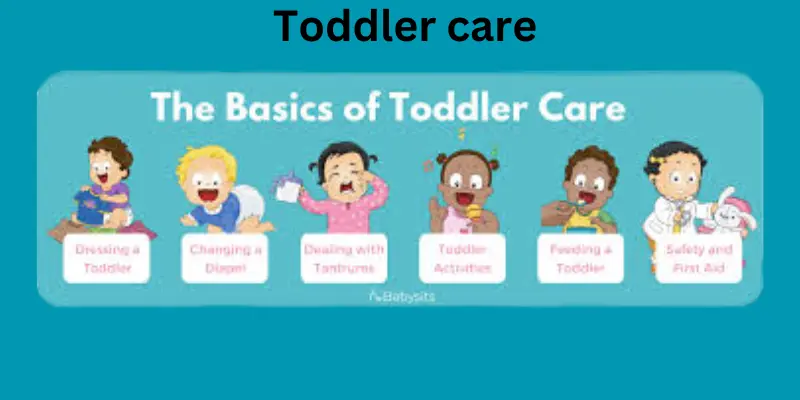
Understanding toddler care basics helps reduce parenting stress, improves bonding, and supports healthy milestones. A structured approach that blends nutrition, discipline, developmental play, and early learning environments can make a significant difference in a toddler’s daily progress.
What is Toddler Care?
Toddler care refers to the practices, routines, and environment provided to support a toddler’s health, wellbeing, and development. This includes:
- Hygiene & grooming practices
- Nutritious eating habits
- Sleep schedules
- Emotional regulation
- Safety & supervision
- Play-based learning
- Medical & dental care
- Social interaction & communication
New parents benefit from toddler care strategies that balance structure with exploration, allowing toddlers to learn independence while staying safe.
history of toddler care—how societies have understood and cared for children roughly ages 1–3 over time.
Ancient & Early Societies (before ~500 CE)
- Family-centered care: Toddlers were cared for almost exclusively at home, usually by mothers, older siblings, or extended family.
- Survival-focused: High infant and child mortality meant care emphasized feeding, protection, and basic socialization rather than “development.”
- Cultural practices:
- In Ancient Egypt, toddlers were often weaned early and cared for communally.
- In Ancient Greece, philosophers like Plato believed early childhood habits shaped moral character, though structured toddler care didn’t exist.
Medieval Period (c. 500–1500)
- Minimal distinction between childhood stages: Toddlers were often treated as “small adults.”
- Wet nursing & fostering: Common among nobility; toddlers might be raised outside the biological home.
- Discipline over nurturing: Obedience was prioritized more than emotional or cognitive development.
Early Modern Period (1500–1700s)
- Changing views of childhood: Thinkers like John Locke argued children were shaped by experience (“tabula rasa”).
- Gentler approaches: Gradual shift toward guidance instead of harsh punishment.
- Still home-based: Toddler care remained informal and family-centered.
Industrial Revolution (1700s–1800s)
- Major turning point
- Urbanization and factory work meant parents (especially mothers) worked long hours.
- Early daycare forms emerged:
- “Infant schools” and charitable nurseries appeared to supervise young children.
- Developmental ideas:
- Friedrich Froebel introduced the idea that young children learn through play—foundational for modern toddler care.
Early–Mid 20th Century
- Child development becomes scientific
- Influential theories:
- Jean Piaget – cognitive development stages
- John Bowlby – importance of emotional bonds
- Rise of nurseries & preschools: Especially during wartime, when women entered the workforce.
- Toddlers increasingly seen as having unique emotional and developmental needs.
Late 20th Century–Today
- Professionalized toddler care
- Features:
- Licensed daycare centers
- Trained early childhood educators
- Play-based, child-centered curricula
- Global emphasis on early years: Research shows ages 0–3 are critical for brain development.
- Modern priorities:
- Emotional security
- Language exposure
- Social development
- Safe, stimulating environments
Side-by-side comparison of toddler care across cultures, focusing on daily care, values, and goals for ages ~1–3.
Western Europe & North America
Examples: United States, United Kingdom, France
Care style
- Structured daycare or preschool
- Adult-led routines (meals, naps, activities)
- Age-specific toys and learning materials
Core values
- Independence
- Verbal communication
- Emotional expression
Toddler expectations
- Use words early
- Self-feed and make choices
- Learn turn-taking and rules
Big idea: Help toddlers become confident individuals.
East Asia
Examples: Japan, China, South Korea
Care style
- Strong family involvement (parents + grandparents)
- Group harmony emphasized in daycare
- Predictable routines
Core values
- Interdependence
- Respect and social harmony
- Emotional self-control
Toddler expectations
- Observe before acting
- Follow group norms
- Show respect to adults
Big idea: Help toddlers fit smoothly into society.
Sub-Saharan Africa (Traditional Community Models)
Examples: Kenya, Ghana
Care style
- Communal caregiving (siblings, relatives, neighbors)
- Toddlers carried or kept physically close
- Learning through observation, not instruction
Core values
- Community responsibility
- Cooperation
- Belonging
Toddler expectations
- Help with simple tasks early
- Stay close to caregivers
- Learn by watching older children
Big idea: A toddler belongs to the community, not just the parents.
Indigenous Cultures (Americas & Beyond)
Examples: Maya, Inuit
Care style
- Child follows adult life rather than separate “child spaces”
- Little direct instruction or praise
- Toddlers included in real work
Core values
- Autonomy without pressure
- Observation and imitation
- Emotional steadiness
Toddler expectations
- Choose when to participate
- Learn by copying
- Regulate emotions independently
Big idea: Trust the child’s natural development.
Nordic Countries
Examples: Sweden, Norway, Denmark
Care style
- Universal, government-supported daycare
- Outdoor play in all weather
- Play-based, low-pressure environments
Core values
- Equality
- Emotional well-being
- Connection to nature
Toddler expectations
- Explore freely
- Develop at their own pace
- Learn social skills through play
Big idea: A happy, secure child learns best.
Middle East & South Asia
Examples: India, Pakistan, Egypt
Care style
- Extended family households
- High physical affection
- Clear adult authority
Core values
- Family loyalty
- Respect for elders
- Moral and religious grounding
Toddler expectations
- Stay close to caregivers
- Follow adult guidance
- Learn social roles early
Big idea: Strong families raise secure children.
Quick Comparison Table
| Culture Type | Main Goal | Independence | Community | Structure |
|---|---|---|---|---|
| Western | Self-expression | High | Medium | High |
| East Asian | Social harmony | Medium | High | High |
| African (traditional) | Belonging | Low | Very high | Low |
| Indigenous | Natural growth | High | High | Low |
| Nordic | Well-being | Medium | High | Low–Medium |
| South Asia / Middle East | Family bonds | Low | High | Medium |
One Important Takeaway
There is no single “best” way to care for toddlers. Cultures shape toddler care around what adults believe matters most:
- Independence
- Harmony
- Community
- Happiness
- Family loyalty
Modern toddler care increasingly blends these approaches.
Big Trend Over Time
From survival → discipline → development → emotional well-being
Toddler care evolved from basic survival and supervision into a science-informed, nurturing practice that recognizes toddlers as active learners with complex emotional needs.
SLEEPING PRACTICES ACROSS CULTURES
Western Europe & North America
Examples: United States, United Kingdom
Where toddlers sleep
- Separate crib or bed
- Often in their own room
How sleep is managed
- Fixed bedtime routines
- Sleep training encouraged
- Night waking discouraged
Underlying belief
- Independence builds confidence and self-soothing
East Asia
Examples: Japan, South Korea
Where toddlers sleep
- Co-sleeping with parents or nearby
- Floor bedding (futons) common
How sleep is managed
- Flexible bedtimes
- Physical closeness prioritized
- Less pressure to “sleep through the night”
Underlying belief
- Emotional security comes before independence
Sub-Saharan Africa (Traditional Settings)
Examples: Kenya, Nigeria
Where toddlers sleep
- Shared sleeping spaces
- Close contact with caregivers
How sleep is managed
- Sleep follows family rhythm
- Night waking is normal
- Daytime naps happen naturally
Underlying belief
- Constant closeness ensures safety and belonging
Indigenous Cultures
Examples: Inuit, Maya
Where toddlers sleep
- With parents or siblings
- No strict “bedtime”
How sleep is managed
- Child sleeps when tired
- Minimal adult interference
Underlying belief
- Children regulate themselves when trusted
Nordic Countries
Examples: Sweden, Norway
Where toddlers sleep
- Own bed, sometimes own room
- Outdoor naps (even in cold weather)
How sleep is managed
- Consistent routines
- Strong emphasis on fresh air
- Calm, low-stress bedtime
Underlying belief
- Sleep quality supports well-being and resilience
FEEDING PRACTICES ACROSS CULTURES
Western Europe & North America
How toddlers eat
- Scheduled meals and snacks
- Child-specific foods
- High focus on nutrition guidelines
Feeding style
- Encouragement to self-feed
- Choice within limits
- Concern about picky eating
Belief
- Balanced nutrition + autonomy = healthy habits
East Asia
How toddlers eat
- Eat what the family eats
- Shared meals are important
Feeding style
- Adults guide pace and portions
- Toddlers encouraged to finish meals
- Less snacking
Belief
- Eating together teaches discipline and harmony
Sub-Saharan Africa (Traditional)
How toddlers eat
- Shared bowls or plates
- Eat when food is available
Feeding style
- Older children help feed younger ones
- Less pressure about variety
Belief
- Food is communal; eating is social
Indigenous Cultures
How toddlers eat
- Eat adult foods early
- No special “kid meals”
Feeding style
- Child decides how much to eat
- Minimal coaxing or pressure
Belief
- Hunger and fullness are self-regulated
South Asia & Middle East
Examples: India, Egypt
How toddlers eat
- Hand-feeding common
- Warm, freshly prepared foods
Feeding style
- High caregiver involvement
- Food linked with affection and care
Belief
- Feeding is an act of love and responsibility
BIG PATTERNS ACROSS CULTURES
| Practice | Independent Cultures | Interdependent Cultures |
|---|---|---|
| Sleeping | Separate, trained | Shared, responsive |
| Feeding | Self-feeding | Caregiver-led |
| Schedules | Strict | Flexible |
| Child autonomy | Emphasized | Gradual |
Key Insight
None of these practices are “right” or “wrong.”
They produce different strengths:
- Independent sleep → self-reliance
- Co-sleeping → emotional security
- Self-feeding → autonomy
- Caregiver feeding → strong attachment
Healthy toddlers exist in all of these systems.
Toddler Nutrition & Feeding Routines
Proper nutrition forms the foundation of toddler care. Toddlers need balanced meals rich in vitamins, minerals, and healthy fats to support rapid growth.
Key feeding guidelines include:
- Offer colorful meals filled with fruits & vegetables
- Include lean proteins, whole grains & dairy
- Limit sugar-sweetened foods & beverages
- Encourage self-feeding for independence
- Provide small, frequent meals & snacks
Many toddlers become picky eaters — a normal developmental phase. Introducing new foods repeatedly without pressure helps broaden eating habits.
Sleep Schedules & Bedtime Routines
Sleep is critical for toddler development. Lack of sleep may lead to irritability, tantrums, and slowed cognitive growth.
Ideal toddler sleep patterns include:
- 11–14 hours of sleep in a 24-hour cycle
- 1–2 daytime naps (depending on age)
- Consistent bedtime routines
- Calming pre-sleep activities
- Reduced screen time before bed
Sleep training techniques like gentle fading, bedtime routines, and comfort objects are commonly recommended to support toddler care.
Cognitive & Emotional Development in Toddler Care
During ages 1–3, toddlers develop early problem-solving, speech, and emotional regulation skills. Parents play a primary role in shaping early learning environments.
Toddler development milestones include:
- Language formation & vocabulary expansion
- Memory & attention skills
- Curiosity & cause-effect understanding
- Emotional recognition & empathy
- Social interactions & imitation
Play-based learning activities enhance toddler care outcomes by engaging the brain through touch, sound, color, and interaction.
Play-Based Learning & Activities for Toddlers
Toddlers learn best through exploration. Play stimulates curiosity, motor control, and problem-solving.
Recommended activities include:
- Indoor & outdoor sensory play
- Drawing, coloring & crafts
- Building blocks, puzzles & sorting toys
- Music, dance & storytelling
- Nature walks & imaginative play
Parents should allow safe independence while supervising. Free play builds creativity, resilience, and reasoning skills — essential elements of toddler care.
Hygiene & Grooming in Toddler Care
Hygiene habits established in toddlerhood often continue into childhood.
Important grooming practices involve:
- Bathing & oral care
- Nail trimming & hair brushing
- Skin care & moisturization
- Handwashing routines
Teaching hand hygiene is vital for preventing infections in daycare and preschool environments.
Potty Training & Toilet Learning
Potty training is one of the most sought-after topics for toddler care. Readiness varies by child and typically begins between 18–36 months.
Signs of readiness include:
- Communicating about wetness or discomfort
- Dry periods between diaper changes
- Imitation of bathroom behavior
- Interest in toilet equipment
Consistency and positive reinforcement make the process smoother. Avoid punishment or pressure, which can delay progress.
Toddler Safety & Home proofing Tips
Toddlers explore constantly yet lack risk awareness, making safety a core pillar of toddler care.
Common safety steps include:
- Securing furniture & sharp objects
- Cabinet locks & baby gates
- Non-slip mats & bathtub safety
- Choking hazard prevention
- Safe toy selection
- Electrical outlet covers
- Car seat guidelines & supervision
Outdoor safety should include playground rules, road awareness, and sun protection.
Speech & Language Support for Toddlers
Communication skills evolve rapidly during toddlerhood. Parents can encourage speech by:
- Reading books aloud
- Naming objects during daily tasks
- Using short sentences
- Encouraging imitation
- Responding to gestures & sounds
Early interventions support children who experience delayed speech or comprehension issues.
Behavioral Management & Tantrums
Tantrums are common as toddlers struggle with emotional regulation and limited communication skills. Toddler care strategies should focus on:
- Positive discipline
- Redirection
- Choice offering
- Calm language
- Consistent boundaries
Avoid physical punishment, as evidence shows it increases aggression and anxiety later.
Health, Vaccination & Medical Visits
Routine pediatric checkups monitor toddler growth and development. Core health components include:
- Vaccination schedules
- Dental visits
- Vision & hearing checks
- Growth charts & BMI monitoring
- Developmental screening
Maintaining vaccination helps prevent life-threatening childhood illnesses.
Parenting Tips for Toddler Care
New parents can enhance toddler care outcomes through:
- Consistency in routines
- Emotion coaching
- Active listening
- Modeling behavior
- Encouraging independence
- Balanced nurture & discipline
These practices build confidence, trust & resilience.
Comparison: Toddler Care vs. Infant Care
| Feature | Infant Care | Toddler Care |
|---|---|---|
| Mobility | Limited | High mobility + exploration |
| Feeding | Breastmilk/Formula | Table foods + snacks |
| Communication | Cries | Speech + gestures |
| Sleep | Multiple naps | 1-2 naps |
| Development | Sensory focus | Cognitive + emotional |
| Independence | High support | Increasing autonomy |
Understanding these transitions prepares new parents for challenges during toddler care.
Benefits of Toddler Care
High-quality toddler care contributes to:
- Healthy development & growth
- Improved cognitive skills
- Emotional resilience
- Strong parent-child attachment
- Early learning & literacy
- Socialization & communication
- Safety & wellbeing
FAQs (Frequently Asked Questions)
1. What age range is considered a toddler?
Typically 1–3 years old, though some developmental frameworks extend up to age 4.
2. How many hours should a toddler sleep?
Most toddlers need 11–14 total hours within 24 hours, including naps.
3. When should potty training begin?
Most toddlers show readiness between 18–36 months; timing varies individually.
4. How do I handle toddler tantrums?
Use calm language, boundaries, emotional validation, and avoid punishment-based responses.
5. What foods are best for toddlers?
Balanced meals with fruits, vegetables, grains, lean proteins, dairy & healthy fats.
6. How can I stimulate toddler development?
Encourage play-based learning, reading, social engagement, and motor activities
Summary on Toddler Care
Toddler care is a holistic approach to supporting the rapid developmental changes that occur between ages one and three. It includes attention to nutrition, sleep, safety, hygiene, speech, emotional regulation, behavioral guidance, and play-based learning. Toddlers thrive when new parents offer consistent routines, responsive communication, and supervised independence that encourages curiosity without compromising safety.
By understanding developmental milestones, setting realistic expectations, and creating a supportive home environment, parents can reduce stress and strengthen the parent-child bond. While challenges like tantrums, picky eating, and potty training are common, they are natural learning moments that help toddlers build autonomy and resilience. High-quality toddler care fosters healthy growth, strong attachment, confident exploration, and a positive foundation for preschool and later childhood development.
Conclusion
Toddler care involves a holistic blend of nutrition, development, sleep, hygiene, play, discipline, and safety. While toddlers may challenge new parents with tantrums, picky eating, or curiosity-driven behaviors, they are also learning the foundations of independence, empathy, and communication. A structured yet nurturing environment promotes healthy development and eases the transition into preschool years.
Toddler care is not about perfection — it is about presence, consistency, and responsive parenting.
Please Write Your Comments