Child Behavioral Development: Stages, Factors, and Strategies
Updated: 13/02/2026
97
Child behavioral development refers to how children learn emotional responses, social skills, habits, discipline, communication, self-control, and adaptive behaviors from infancy through adolescence. Development experts highlight that behavior evolves through a complex interaction of brain maturation, learning experiences, environment, culture, and parenting style. Understanding behavioral development helps parents and educators identify emotional needs, guide decision-making, and support healthy social functioning.
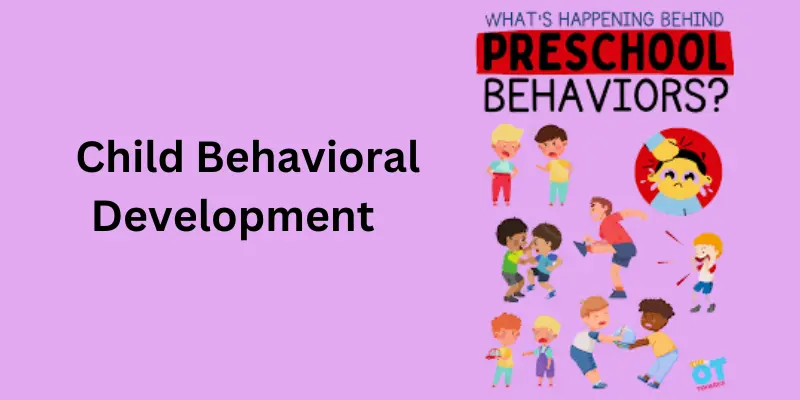
Behavioral development in children is recognized as a core pillar of overall child development and psychology. Children learn behaviors rapidly during early years as their cognitive, emotional, and social skills expand. This process includes learning how to share, negotiate conflict, regulate emotions, obey social norms, interact with peers, and express empathy. Professionals in child psychology note that delays or behavioral problems may indicate underlying developmental disorders, emotional stressors, or environmental factors.
What Is Child Behavioral Development?
Child behavioral development focuses on how children acquire new behaviors, habits, personality patterns, emotional regulation frameworks, and coping strategies over time. It includes areas such as:
- Emotional development
- Social development
- Moral development
- Self-regulation
- Language and communication
- Attention and executive functioning
- Adaptive behaviors and social responsibility
These behaviors allow children to establish meaningful relationships, manage impulses, understand rules, and integrate into society.
Effects / Affects of Child Behavioral Development
Child behavioral development affects multiple areas of a child’s life and future performance:
- Academic Success: Children with strong behavioral regulation learn better, focus more, and adapt to classroom rules and routines.
- Emotional Health: Good behavior development improves emotional intelligence (EQ), resilience, stress coping, and self-esteem.
- Social Relationships: Behavioral skills support cooperation, sharing, conflict resolution, empathy, and lasting peer connections.
- Family Dynamics: Positive behavior strengthens parent-child attachment and reduces household conflict or stress.
- Independence & Responsibility: Children learn discipline, decision-making, and self-control, which translates into responsible adulthood.
- Mental Health Outcomes: Poor behavioral development may increase risk of anxiety, ADHD, aggression, depression, or social withdrawal later in life.
Importance of Behavioral Development in Childhood
Behavioral development is directly linked to academic success, mental health, social adaptability, and long-term personality formation. Healthy behavior patterns during early childhood enhance problem-solving skills, resilience, cooperation, and independence. Research shows behavior development influences:
- School readiness & performance
- Emotional intelligence (EQ)
- Peer relationships
- Family relationships
- Self-control & discipline
- Confidence & self-esteem
Children with strong behavioral foundations are more adaptable, communicative, and capable of handling change and conflict.
Benefits of Child Behavioral Development
Healthy child behavioral development strengthens emotional regulation, communication, and social interaction skills. It also supports academic performance, decision-making, and impulse control. Children with strong behavioral skills display higher resilience, confidence, and empathy. Long-term benefits extend into adolescence and adulthood, improving mental health, independence, and interpersonal relationships.
Nature vs Nurture in Behavioral Development
Behavioral development emerges from the interaction of nature (genetics, temperament, brain development) and nurture (environment, parenting, culture, education). Nature influences emotional reactivity, adaptability, attention, and impulse control. Nurture shapes learned behaviors, habits, discipline, communication, and social norms. Modern developmental psychology suggests neither acts alone—behavior evolves through continuous gene-environment interaction.
How Behavioral Development Works
Behavioral development works through observation, imitation, reinforcement, learning, and social interaction. Children model behaviors from parents, caregivers, educators, and peers. Positive reinforcement strengthens desired actions, while boundaries and consequences shape discipline and self-control. Language development helps children express needs verbally, while emotional growth supports empathy, problem-solving, and cooperation. Over time, behavior becomes internalized and self-directed.
Comparison with Cognitive & Social Development
Child behavioral development overlaps with cognitive and social development but focuses on action, habits, and conduct. Cognitive development deals with thinking, reasoning, decision-making, and problem-solving skills. Social development involves relationships, communication, norms, empathy, and peer dynamics. Behavioral development connects both—children apply cognitive understanding and social skills through observable actions and emotional responses in real-world situations.
Pros & Cons Table of Child Behavioral Development
| Aspect | Pros | Cons / Challenges |
|---|---|---|
| Emotional Regulation | Builds resilience, empathy, confidence | Poor regulation may cause tantrums, anxiety, aggression |
| Social Skills | Improves cooperation, sharing, peer bonding | Weak skills lead to isolation or conflict |
| Academic Outcomes | Enhances focus, discipline, learning habits | Behavioral issues may disrupt education |
| Mental Health | Supports well-being and self-esteem | Negative behaviors increase risk of disorders |
| Family Dynamics | Strengthens parent-child relationships | Behavioral stress may cause family conflict |
| Independence & Responsibility | Encourages self-control and autonomy | Lack of guidance may lead to impulsivity or risk-taking |
Stages of Child Behavioral Development
Different stages of development influence how children behave and respond:
Infancy (0–2 years)
- Learns trust, attachment, and emotional signaling
- Develops communication through gestures & expressions
- Begins social imitation and early self-awareness
Early Childhood (3–6 years)
- Rapid emotional and social learning
- Moral development: right vs wrong
- Begins to follow rules and routines
- Emergence of empathy
Middle Childhood (7–11 years)
- Improved cooperation, sharing, and negotiation
- Advanced internal behavior control
- Peer influence increases significantly
- Develops teamwork and responsibility
Adolescence (12–18 years)
- Identity formation and independence
- Abstract reasoning & moral logic
- Emotional fluctuations increase
- Peer and environmental influences intensify
Factors Affecting Child Behavioral Development
Behavior develops through interacting influences such as:
1. Environment
Home environment, school structure, culture, and societal norms impact behavior shaping. Children observe and model behaviors from adults.
2. Parenting Style
Parenting approaches like authoritative, permissive, authoritarian, or uninvolved shape discipline, emotional responses, and conflict resolution patterns.
3. Genetics & Temperament
Biological factors influence emotional reactivity, attention span, adaptability, and impulsivity.
4. Cognitive & Language Skills
Behavior improves as children learn to express needs verbally rather than physically.
5. Social Interactions
Friendships and peer groups introduce cooperation, negotiation, and shared norms.
6. Reinforcement & Learning
Reward and punishment frameworks influence behavior acquisition through classical and operant conditioning.
7. Screen Exposure & Digital Media
Modern researchers link early screen exposure to impulsive behavior, attention problems, and emotional dysregulation in young children.
Common Behavioral Challenges in Children
- Tantrums
- Aggression or hitting
- Attention problems
- Defiance or rule-breaking
- Hyperactivity
- Social withdrawal
- Anxiety behaviors
- Difficulty sharing or cooperating
- Poor emotional regulation
These behaviors may be temporary or reflect deeper developmental needs.
Behavioral Red Flags Parents Should Monitor
Certain persistent behaviors may suggest developmental disorders or psychological issues:
- Speech or communication delays
- Lack of eye contact
- Extreme aggression or self-harm tendencies
- No interest in peers
- Persistent anxiety or fears
- Inability to follow simple rules
- Constant tantrums after age 6
- Repetitive behaviors
- Slow emotional maturity
Early diagnosis improves outcomes significantly.
Role of Parenting in Behavioral Development
Parenting practices influence behavior formation more than any other environmental factor. Parenting styles play major roles:
- Authoritative Parenting → balanced, disciplined, nurturing
- Authoritarian Parenting → strict, punishment-heavy
- Permissive Parenting → indulgent, few rules
- Uninvolved Parenting → minimal engagement, neglectful
Behavioral Development in Special Needs Children
Children with ADHD, autism spectrum disorder (ASD), sensory processing disorder, developmental delays, and learning disorders require specialized behavioral interventions including:
- Applied Behavior Analysis (ABA)
- Speech & occupational therapy
- Cognitive behavioral therapy (CBT)
- Social skills training
- Behavior modification plans
Consistency and early support improve adaptation.
Behavioral Interventions & Strategies for Parents
Effective strategies include:
- Positive reinforcement & reward systems
- Routine and structure
- Social modeling
- Natural consequences
- Verbal expression training
- Emotion coaching & mindfulness
- Redirection techniques
- Reducing screen exposure
- Active play and peer interaction
Behavioral therapy may be required for persistent challenges.
How Schools Influence Behavioral Development
Schools teach behavioral norms, cooperation, communication, problem-solving, and teamwork. Teachers function as behavioral role models while peer dynamics shape social identity and conflict resolution.
Schools also support behavior through:
- Classroom rules
- Reward systems
- Counseling services
- Special education programs
- Extracurricular activities
Long-Term Outcomes of Healthy Behavioral Development
Healthy milestones predict:
- Strong academic performance
- Better emotional regulation
- Positive self-esteem
- Healthy peer & family relationships
- Independence
- Resilience under stress
- Better mental health
- Social competence in adulthood
FAQs
Q1: What is child behavioral development?
Child behavioral development refers to how children learn emotional, social, and adaptive behaviors that allow them to communicate, cooperate, and function in society.
Q2: What affects a child’s behavior the most?
Home environment, parenting style, genetics, screen time, peer influence, and emotional development are key behavioral determinants.
Q3: What are behavioral red flags in early childhood?
Persistent aggression, no eye contact, delayed speech, lack of social interest, anxiety, or repetitive behaviors may signal developmental concerns.
Q4: How can parents improve child behavior?
Using positive reinforcement, emotional coaching, structured routines, limited screen exposure, and social engagement can improve behavioral outcomes.
Q5: When should parents seek behavioral therapy?
If behaviors interfere with school, social relationships, learning, or safety, professional evaluation and behavioral therapy may be necessary.
Q6: Are behavioral problems always a disorder?
Not necessarily—many are developmental phases. Disorders are diagnosed when behaviors persist, impair functioning, and do not improve with support.
Summary on Child Behavioral Development
Child behavioral development is a fundamental aspect of childhood growth that shapes emotional regulation, social skills, communication, and adaptive behaviors. It is influenced by biology, family environment, parenting style, peer interactions, and cultural norms. Healthy behavior formation prepares children for school, relationships, independence, and long-term mental well-being. Early detection of behavioral challenges, combined with supportive parenting and appropriate interventions, ensures positive developmental outcomes.
Conclusion on Child Behavioral Development
Child behavioral development is a continuous and dynamic process shaped by the interaction of biological maturation, cognitive growth, emotional regulation, and social experiences. From infancy through adolescence, children gradually learn to understand themselves, manage emotions, follow social rules, and build relationships with others.
Family environment, parenting styles, culture, education, and peer interactions play a crucial role in shaping behavior. Positive reinforcement, secure attachments, and supportive learning environments help children develop healthy behaviors, while adverse experiences may lead to behavioral challenges. Theories by psychologists such as Skinner, Bandura, Piaget, and Vygotsky highlight that behavior is learned through a combination of conditioning, observation, thinking, and social interaction.
In conclusion, understanding child behavioral development enables parents, teachers, and caregivers to guide children effectively. Early identification of behavioral issues and timely support can promote emotional well-being, social competence, and positive lifelong development.
Please Write Your Comments