How to Develop Personality: A Step-by-Step Guide for Personal Growth
Updated: 16/02/2026
39
Personality plays a powerful role in shaping your success, confidence, relationships, and overall quality of life. Whether in your career, education, or personal relationships, people often judge you not only by what you know, but by how you present yourself. That’s why learning how to develop personality has become one of the most searched self-improvement topics today.
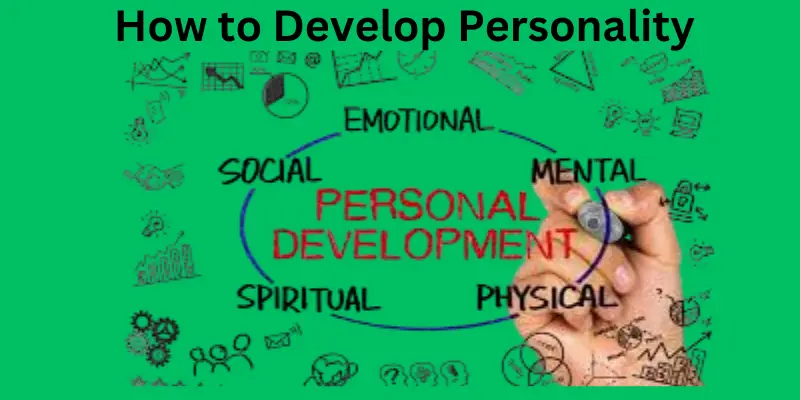
Personality development is not about changing who you are, but about enhancing your strengths, improving your behavior, and refining your communication and mindset. The good news? Personality is not fixed. With consistent effort, anyone can develop an attractive, confident, and impactful personality.
This in-depth guide explains how to develop personality step by step, covering mindset, communication skills, confidence building, body language, emotional intelligence, habits, and practical daily strategies.
What Is Personality Development?
Personality development refers to the continuous process of improving one’s thoughts, behavior, communication style, emotional responses, and social presence. It involves shaping how you think, feel, and interact with others.
Your personality includes:
- Attitude and mindset
- Confidence level
- Communication skills
- Emotional intelligence
- Body language and appearance
- Values and ethics
- Habits and discipline
Learning how to develop personality means working on all these areas together for balanced personal growth.
Why Personality Development Is Important
Personality development is essential in both personal and professional life.
Key Benefits:
- Builds self-confidence and self-esteem
- Improves communication and social skills
- Enhances leadership qualities
- Creates a positive first impression
- Helps manage stress and emotions
- Increases career and business opportunities
In today’s competitive world, skills alone are not enough—your personality often determines how far you go.
How to Develop Personality: Step-by-Step Guide
1. Develop a Positive Mindset
A strong personality starts with a positive and growth-oriented mindset. Your thoughts influence your behavior, tone, and reactions.
How to improve your mindset:
- Replace negative self-talk with positive affirmations
- Focus on solutions instead of problems
- Accept failures as learning experiences
- Practice gratitude daily
2. Improve Self-Confidence
Confidence is one of the most important elements of personality development. People naturally respect and trust confident individuals.
Ways to build confidence:
- Set small, achievable goals
- Improve your skills and knowledge
- Maintain eye contact while speaking
- Stop seeking constant approval
- Accept imperfections
Confidence grows through action, not waiting.
3. Enhance Communication Skills
Effective communication is a core pillar of learning how to develop personality. It includes speaking, listening, tone, clarity, and body language.
Communication tips:
- Speak clearly and calmly
- Avoid fillers like “um” and “you know”
- Listen actively without interrupting
- Improve vocabulary gradually
- Adjust your tone according to the situation
Good communicators build stronger relationships and influence others easily.
4. Master Body Language
Your body language often speaks louder than words. Posture, facial expressions, and gestures shape how people perceive you.
Improve body language by:
- Standing straight with open posture
- Smiling naturally
- Avoiding crossed arms
- Maintaining comfortable eye contact
- Using purposeful hand gestures
Confident body language instantly upgrades your personality.
5. Build Emotional Intelligence (EQ)
Emotional intelligence is the ability to understand, manage, and express emotions wisely.
How to improve EQ:
- Control anger and impulsive reactions
- Practice empathy
- Accept constructive criticism
- Stay calm under pressure
- Respect others’ emotions
High EQ makes your personality mature, balanced, and trustworthy.
6. Improve Personal Appearance and Grooming
Appearance doesn’t define character, but it strongly impacts first impressions.
Simple grooming habits:
- Dress neatly and appropriately
- Maintain hygiene
- Choose clothes that suit your body type
- Keep posture confident
A well-presented appearance boosts self-confidence and social acceptance.
7. Develop Good Habits and Discipline
Your habits shape your personality over time.
Positive habits include:
- Reading daily
- Exercising regularly
- Time management
- Punctuality
- Consistency
Discipline reflects reliability, responsibility, and inner strength.
8. Learn Social Skills
Strong social skills help you connect easily with people.
Social skill tips:
- Show genuine interest in others
- Avoid dominating conversations
- Be polite and respectful
- Learn small talk
- Adapt to different personalities
Social intelligence makes your personality warm and approachable.
9. Work on Self-Awareness
Self-awareness is knowing your strengths, weaknesses, values, and triggers.
Ways to improve self-awareness:
- Reflect on daily behavior
- Ask for honest feedback
- Journal your thoughts
- Identify emotional patterns
Self-aware individuals grow faster and communicate better.
10. Keep Learning and Growing
Personality development is a lifelong journey.
Growth strategies:
- Read self-help and psychology books
- Attend seminars or online courses
- Observe confident personalities
- Practice daily self-improvement
Continuous learning keeps your personality fresh and adaptable.
Pros and Cons of Personality Development
| Pros | Cons |
|---|---|
| Improves confidence and communication | Requires consistency |
| Enhances career growth | Takes time and patience |
| Strengthens relationships | Can feel uncomfortable initially |
| Builds emotional strength | Requires self-reflection |
| Creates positive impressions | Results are gradual |
Common Mistakes to Avoid in Personality Development
- Trying to copy others instead of being authentic
- Expecting instant results
- Ignoring emotional intelligence
- Focusing only on appearance
- Avoiding feedback
True personality development is authentic and gradual.
Personality Development Tips for Daily Practice
- Start your day with positive affirmations
- Practice speaking clearly in front of a mirror
- Read 10–15 pages daily
- Observe confident people
- Reflect on your behavior before sleep
Small daily actions create long-term personality transformation.
Personality Development Statistics (APA & WHO References)
Scientific research strongly supports the importance of personality development for mental health, career success, and social well-being.
Key Statistics & Research Insights
- According to the World Health Organization (WHO), more than 280 million people worldwide suffer from depression, and poor emotional regulation, low self-confidence, and weak social skills are major contributing factors. Personality development practices—such as emotional intelligence and stress management—help reduce these risks.
- WHO reports that mental and behavioral factors contribute to over 40% of life-related stress disorders, highlighting the importance of mindset training, emotional control, and positive behavior—core elements of personality development.
- The American Psychological Association (APA) states that individuals with strong emotional intelligence and self-awareness show better stress tolerance, healthier relationships, and improved workplace performance.
- APA research indicates that people who actively work on communication skills and self-confidence are up to 30–35% more likely to demonstrate leadership potential in professional environments.
- Studies published by APA also show that self-regulation and positive behavioral habits significantly improve decision-making, resilience, and long-term success.
What These Stats Prove
These findings confirm that learning how to develop personality is not just a self-help trend—it is a scientifically supported process that enhances mental health, productivity, leadership, and quality of life.
Backed by global health and psychological authorities (WHO & APA), personality development directly supports emotional well-being and professional growth.
Beginner vs Advanced Personality Development
Understanding the difference between beginner-level and advanced personality development helps readers identify where they currently stand and how to progress.
| Aspect | Beginner Personality Development | Advanced Personality Development |
|---|---|---|
| Self-Awareness | Limited understanding of strengths and weaknesses | Deep self-awareness and emotional insight |
| Confidence Level | Situational or inconsistent confidence | Stable, authentic, and calm confidence |
| Communication Skills | Basic speaking and listening skills | Persuasive, empathetic, and influential communication |
| Emotional Control | Reacts emotionally to stress and criticism | Responds thoughtfully with emotional intelligence |
| Body Language | Unconscious or closed posture | Confident, open, and intentional body language |
| Mindset | Fixed or fear-based mindset | Growth-oriented and solution-focused mindset |
| Social Skills | Hesitant in social situations | Comfortable networking and relationship building |
| Decision Making | Influenced by others’ opinions | Independent, value-driven decision making |
| Leadership Ability | Follows instructions | Inspires, guides, and influences others |
| Consistency | Irregular self-improvement efforts | Disciplined and lifelong personal growth |
Frequently Asked Questions (FAQs)
1. How to develop personality naturally?
You can develop personality naturally by improving mindset, communication, confidence, emotional intelligence, and daily habits through consistent practice.
2. Can personality be developed at any age?
Yes, personality development is possible at any age. Growth depends on self-awareness, effort, and willingness to improve.
3. How long does personality development take?
Personality development is an ongoing process. Visible improvements can appear in weeks, but long-term growth takes months and years.
4. Is personality development important for career success?
Absolutely. Strong personality skills improve leadership, communication, teamwork, and professional image, leading to better career opportunities.
5. What are the best habits for personality development?
Reading, exercise, self-reflection, discipline, communication practice, and emotional control are among the best habits.
6. Can introverts develop a strong personality?
Yes. Personality development is not about being loud. Introverts can build confident, influential personalities while staying authentic.
Summary: How to Develop Personality
Learning how to develop personality is one of the most valuable investments you can make in yourself. Personality development is not about changing who you are—it’s about becoming the best version of yourself. By improving mindset, confidence, communication skills, emotional intelligence, habits, and self-awareness, you can build a personality that attracts success, respect, and meaningful relationships.
Remember, small consistent improvements lead to powerful transformation. Start today, stay patient, and let your personality evolve naturally over time.
Conclusion: How to Develop Personality
Learning how to develop personality is a lifelong journey of self-awareness, discipline, and continuous improvement. Personality development is not about changing your identity or imitating others; it is about refining your mindset, strengthening confidence, improving communication, and developing emotional intelligence while staying true to who you are.
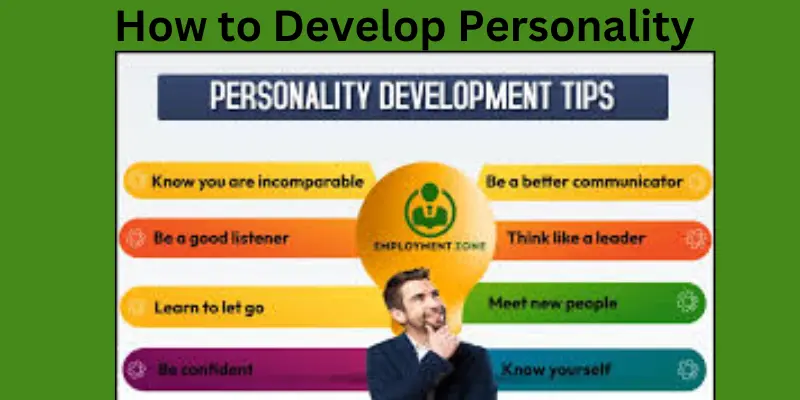
By practicing positive thinking, building strong habits, mastering body language, enhancing social and communication skills, and managing emotions effectively, anyone can develop a confident and balanced personality. Scientific research from organizations like WHO and APA also confirms that personality development supports mental well-being, stress management, leadership ability, and overall life satisfaction.
The key to success lies in consistency and patience. Small daily efforts—such as self-reflection, learning, and mindful interaction—gradually create powerful transformation. Whether you are a beginner or at an advanced stage, focusing on continuous growth will help you build a personality that earns respect, builds strong relationships, and opens doors to personal and professional success.
In short, when you commit to developing your personality, you invest in a better, more co
Please Write Your Comments