What Are Good Habits for Students: A Complete Guide to Academic and Personal Success
Updated: 14/06/2026
9
Introduction
Many students dream of achieving excellent grades, building confidence, and preparing for a successful future. Academic success rarely depends on intelligence alone. Daily routines, discipline, and consistency often play a greater role than natural talent.
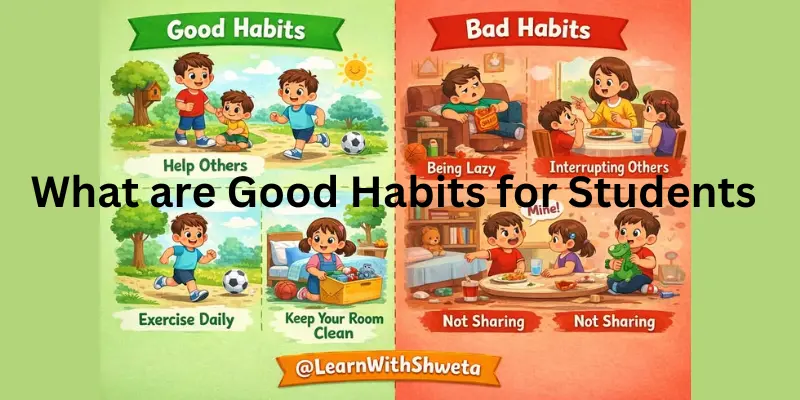
This is why understanding what are good habits for students is important. Good habits for kids create structure, improve focus, reduce stress, and help students achieve their educational goals. Students who practice positive habits tend to perform better academically and develop valuable life skills that benefit them long after graduation.
Parents, teachers, and educational experts consistently emphasize the importance of healthy routines because habits influence learning, behavior, and personal development. Small actions repeated every day eventually shape a student’s future.
This guide explains what are good habits for students, why they matter, and how students can develop habits that support academic achievement and lifelong success. The article List of Good Habits for Students provides a lot information regarding good habits.
What Are Good Habits for Students
Good habits for students are positive behaviors and routines that improve learning, productivity, discipline, health, and personal growth.
These habits help students:
- Manage time effectively
- Stay organized
- Improve concentration
- Achieve academic goals
- Develop self-discipline
- Build confidence
- Maintain physical and mental well-being
Good habits become automatic over time. Students no longer need constant reminders because these behaviors become part of their daily routine.
Examples include:
- Completing homework on time
- Reading every day
- Taking organized notes
- Attending classes regularly
- Following a study schedule
- Getting enough sleep
The more consistently students practice these behaviors, the more natural they become.
Why Are Good Habits Important for Students
Good habits provide a strong foundation for educational success.
Students face many challenges, including academic pressure, distractions, social commitments, and digital overload. Positive habits help them stay focused and productive.
Benefits of good habits include:
- Better academic performance
- Improved memory retention
- Higher concentration levels
- Reduced procrastination
- Better time management
- Greater confidence
- Stronger problem-solving skills
- Better emotional health
Research in education consistently shows that students with structured routines often outperform those with inconsistent study patterns.
How Do Good Habits Help Students Succeed in School
Success in school depends on consistent effort. Good habits encourage students to take responsibility for their learning.
Students who follow productive routines often:
- Complete assignments before deadlines
- Participate actively in class
- Prepare effectively for exams
- Maintain better attendance records
- Experience less academic stress
These advantages accumulate over time and create long-term academic success.
The Characteristics of Successful Students
Successful students share several common traits.
These include:
- Self-discipline
- Responsibility
- Curiosity
- Persistence
- Organization
- Positive attitude
- Strong work ethic
These qualities are often developed through daily habits rather than inherited abilities.
Students who consistently practice positive behaviors strengthen these characteristics over time.
25 Good Habits Every Student Should Develop
Wake Up Early and Start the Day Productively
Waking up early provides extra time for preparation and planning.
Students who begin their day calmly often feel more focused and organized throughout the day.
Attend Classes Regularly
Regular attendance ensures students receive important lessons and instructions directly from teachers.
Missing classes frequently creates learning gaps that become difficult to overcome.
Arrive on Time
Punctuality demonstrates responsibility and respect.
Students who arrive on time avoid unnecessary stress and remain prepared for learning activities.
Follow a Daily Study Schedule
A study schedule helps students allocate dedicated time for learning.
Consistent study routines improve retention and reduce last-minute cramming.
Complete Homework on Time
Homework reinforces classroom learning.
Students who complete assignments promptly often develop stronger subject understanding.
Read Every Day
Reading expands vocabulary, comprehension, and critical thinking skills.
Even 20 minutes of daily reading can produce significant academic benefits.
Take Effective Notes
Good notes improve information retention.
Organized notes also make revision easier during exams.
Stay Organized
Organization reduces confusion and saves time.
Students should keep books, assignments, and study materials arranged properly.
Set Academic Goals
Goals provide direction and motivation.
Examples include:
- Improving grades
- Reading more books
- Completing assignments earlier
- Developing better study habits
Review Lessons Daily
Daily review strengthens memory and prevents information loss.
Students who revise regularly often require less intensive exam preparation.
Ask Questions Without Hesitation
Curiosity encourages deeper learning.
Students should seek clarification whenever they encounter confusion.
Avoid Procrastination
Delaying tasks creates stress and lowers productivity.
Breaking large assignments into smaller tasks makes work more manageable.
Manage Time Effectively
Time management is one of the most important skills students can develop.
Using planners and calendars helps students balance academic and personal responsibilities.
Limit Social Media Distractions
Social media can consume significant amounts of study time.
Students benefit from creating technology-free study periods.
Practice Active Listening
Active listening improves understanding and classroom participation.
Students should focus on teachers rather than multitasking during lessons.
Maintain a Healthy Diet
Nutrition affects concentration and energy levels.
Balanced meals support both physical and mental performance.
Exercise Regularly
Physical activity improves mood, memory, and cognitive function.
Students do not need intense workouts. Simple daily exercise can be highly beneficial.
Get Enough Sleep
Sleep plays a vital role in learning and memory.
Most students require 8 to 10 hours of sleep depending on their age.
Keep a Positive Attitude
Positive thinking helps students overcome challenges and setbacks.
A growth mindset encourages continuous improvement.
Develop Self-Discipline
Self-discipline helps students stay committed to their goals even when motivation decreases.
Discipline often determines success more than talent.
Participate in Classroom Discussions
Participation improves communication skills and understanding.
Students become more confident when they actively contribute to discussions.
Respect Teachers and Classmates
Respect creates a positive learning environment.
Healthy relationships support academic growth and teamwork.
Learn From Mistakes
Mistakes are opportunities for improvement.
Students who analyze their errors often experience faster growth.
Practice Critical Thinking
Critical thinking encourages independent analysis and decision-making.
These skills are valuable throughout education and professional life.
Maintain Consistency
Consistency is the foundation of every successful habit.
Small daily actions often produce greater results than occasional bursts of effort.
What Are the Best Study Habits for Students
Students often ask which habits directly improve academic performance.
The most effective study habits include:
- Following a study timetable
- Reviewing lessons daily
- Taking organized notes
- Practicing active recall
- Using spaced repetition
- Eliminating distractions
- Setting study goals
- Completing assignments early
These techniques improve retention and learning efficiency.
Common Bad Habits Students Should Avoid
Understanding bad habits is equally important.
Students should avoid:
- Procrastination
- Excessive screen time
- Skipping classes
- Poor sleep routines
- Disorganization
- Last-minute studying
- Negative self-talk
- Ignoring deadlines
Replacing negative behaviors with positive habits creates long-term improvements.
How Can Students Build Good Habits Successfully?
Developing habits requires patience and consistency.
Students can build good habits by:
Start Small
Small habits are easier to maintain.
Examples include:
- Reading 10 pages daily
- Studying for 20 minutes
- Reviewing notes for 15 minutes
Create a Routine
Repeating behaviors at the same time each day strengthens habit formation.
Track Progress
Habit trackers increase accountability.
Students can monitor consistency and celebrate milestones.
Remove Obstacles
Reduce distractions and create an environment that supports productive behavior.
Stay Consistent
Consistency matters more than perfection.
Missing one day should not become a reason to quit.
The Role of Parents in Developing Good Habits
Parents significantly influence habit formation.
They can support students by:
- Establishing routines
- Encouraging reading
- Monitoring screen time
- Providing study spaces
- Celebrating achievements
- Modeling positive behavior
Children often imitate the habits they observe at home.
The Role of Teachers in Encouraging Positive Habits
Teachers help reinforce productive behaviors.
Effective strategies include:
- Providing structured assignments
- Encouraging participation
- Offering constructive feedback
- Teaching time management
- Recognizing effort and improvement
Supportive educators help students build habits that contribute to long-term success.
What Are Good Habits for Students at Home?
Students spend a significant portion of their time at home.
Beneficial habits include:
- Completing homework before entertainment
- Reading daily
- Maintaining a study area
- Following a sleep schedule
- Helping with responsibilities
- Limiting unnecessary screen use
Home environments often influence academic outcomes.
What Are Good Habits for Students to Improve Concentration?
Focus is essential for effective learning.
Students can improve concentration by:
- Studying in quiet environments
- Taking short breaks
- Eliminating distractions
- Practicing mindfulness
- Getting enough sleep
- Staying physically active
Improved concentration leads to better learning efficiency.
Long-Term Benefits of Good Habits for Students
Good habits provide benefits beyond school years.
Students who develop strong routines often become adults who are:
- More productive
- Better organized
- Financially responsible
- Professionally successful
- Emotionally resilient
The habits learned during education frequently shape future careers and personal lives.
How Good Habits Improve Academic Performance
Students who develop positive routines often achieve better academic results. Good habits improve concentration, increase productivity, and help students retain information more effectively. Consistent study schedules and organized learning practices reduce stress during examinations and improve overall classroom performance.
The Connection Between Good Habits and Self-Confidence
Confidence grows when students consistently achieve their goals. Completing assignments on time, participating in class discussions, and maintaining productive routines create a sense of accomplishment. Strong habits encourage students to believe in their abilities and approach challenges with a positive mindset.
Digital Learning Habits Every Student Should Develop
Modern education relies heavily on technology. Students should learn to use digital tools responsibly. Important digital habits include organizing files properly, attending online classes punctually, backing up academic work, and using educational resources effectively while avoiding unnecessary distractions.
Financial Habits Students Should Learn Early
Financial responsibility is an important life skill. Students can benefit from learning how to budget money, save regularly, avoid unnecessary spending, and understand the value of financial planning. These habits prepare them for future independence.
Communication Habits That Help Students Succeed
Strong communication skills support academic and professional success. Students should practice speaking clearly, listening attentively, expressing ideas respectfully, and participating in discussions. Effective communication improves relationships with teachers, classmates, and future employers.
How Reading Habits Shape Student Success
Reading is one of the most valuable habits students can develop. Regular reading improves vocabulary, comprehension, creativity, and critical thinking. Students who read consistently often perform better in multiple academic subjects and gain broader knowledge of the world.
The Importance of Goal-Setting Habits for Students
Goal setting provides direction and motivation. Students who establish short-term and long-term goals can track progress more effectively. Clear goals encourage accountability and help students stay focused on academic priorities.
Good Habits for Students Preparing for Competitive Exams
Students preparing for entrance exams and competitive tests need structured routines. Effective habits include creating revision schedules, practicing mock tests, reviewing mistakes, maintaining healthy sleep patterns, and managing stress through proper planning.
Leadership Habits Students Should Develop
Leadership skills are valuable in both education and future careers. Students can build leadership habits by taking initiative, helping peers, accepting responsibility, solving problems, and participating in extracurricular activities. Leadership habits encourage personal growth and confidence.
How Good Habits Contribute to Career Success
The habits developed during student life often influence future professional achievements. Time management, discipline, communication, organization, and continuous learning remain valuable throughout a person’s career. Students who establish these habits early gain a strong advantage in the workplace.

Frequently Asked Questions About What Are Good Habits for Students
What are good habits for students?
Good habits for students are positive behaviors that improve learning, productivity, discipline, health, and personal development. Examples include studying regularly, reading daily, managing time effectively, and completing assignments on time.
Why are good habits important for students?
Good habits help students improve academic performance, stay organized, reduce stress, and develop essential life skills. They create a foundation for long-term success both inside and outside the classroom.
What is the most important habit for students?
Time management is often considered one of the most important habits because it helps students balance studies, extracurricular activities, and personal responsibilities effectively.
How can students develop good habits?
Students can build good habits by starting with small goals, following a consistent routine, tracking progress, minimizing distractions, and practicing positive behaviors daily.
What study habits help students get better grades?
Effective study habits include reviewing lessons regularly, taking organized notes, following a study schedule, practicing active recall, and preparing for exams well in advance.
How do good habits affect student success?
Good habits improve concentration, increase productivity, strengthen discipline, and help students achieve academic and personal goals more efficiently.
Can good habits improve mental health in students?
Yes. Healthy habits such as proper sleep, regular exercise, time management, and maintaining a balanced lifestyle can reduce stress and support emotional well-being.
What are some daily good habits for students?
Daily good habits include waking up early, attending classes on time, reading regularly, completing homework, exercising, eating healthy meals, and maintaining a positive attitude toward learning.
Conclusion
Understanding what are good habits for students is the first step toward academic excellence and personal development. Positive habits help students manage time, stay organized, improve concentration, and achieve educational goals.
Success rarely happens by accident. It results from consistent actions repeated every day. Students who develop healthy routines, maintain discipline, and commit to continuous improvement position themselves for lifelong achievement.
Building good habits may take time, but the rewards extend far beyond the classroom. Every positive habit developed today becomes an investment in a brighter and more successful future.
Please Write Your Comments