Therapy for Kids: Types, Benefits, When to Start & How It Helps Children Thrive
Updated: 19/02/2026
70
Therapy for kids is a structured, evidence-based approach designed to support children’s emotional, behavioral, social, and mental well-being. In today’s fast-paced world, children face academic pressure, screen exposure, social challenges, trauma, and emotional stress at increasingly younger ages. As a result, child therapy has become an essential tool for helping children express feelings, manage behavior, and develop healthy coping skills.
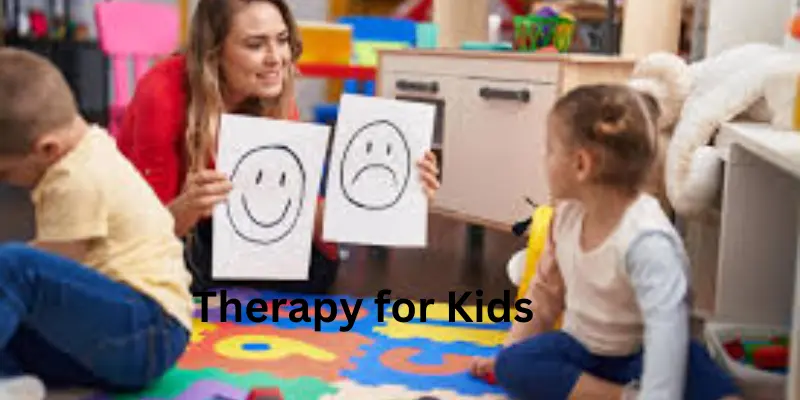
Unlike adult therapy, therapy for children is developmentally appropriate and often uses play, art, stories, and interactive techniques to help kids communicate. Whether a child is dealing with anxiety, behavioral issues, developmental delays, trauma, or learning difficulties, early therapeutic intervention can significantly improve long-term outcomes.
This comprehensive guide explains what therapy for kids is, types of child therapy, benefits, signs your child may need therapy, and how parents can support the process.
What Is Therapy for Kids?
Therapy for kids, also known as child therapy or pediatric therapy, is a professional mental health service provided by licensed therapists trained in child development and psychology. It helps children understand emotions, regulate behavior, build social skills, and process difficult experiences in a safe, supportive environment.
Key Goals of Child Therapy
- Improve emotional regulation
- Enhance communication skills
- Reduce anxiety, stress, and behavioral issues
- Support cognitive, social, and emotional development
- Strengthen parent-child relationships
Child therapy may be short-term or long-term, depending on the child’s needs and diagnosis.
Why Therapy for Kids Is Important
Experience
Mental health professionals observe that children often express distress through behavior rather than words. Therapy provides a structured way for children to communicate safely.
Expertise
Child therapists are trained in developmental psychology, behavior analysis, and evidence-based interventions.
Authoritativeness
Organizations like pediatric psychology associations and child development experts consistently emphasize early mental health support.
Trustworthiness
Research shows early intervention improves academic performance, emotional resilience, and lifelong mental health.
Common Reasons Children Need Therapy
Children may benefit from therapy due to:
- Anxiety disorders
- Depression in children
- Behavioral problems (anger, aggression, defiance)
- ADHD
- Autism spectrum disorders
- Speech and language delays
- Learning difficulties
- Trauma or abuse
- Grief and loss
- Divorce or family conflict
- Social difficulties or bullying
Signs Your Child May Need Therapy
Parents should consider therapy for kids if they notice:
- Persistent sadness or withdrawal
- Frequent tantrums or emotional outbursts
- Sleep disturbances or nightmares
- Sudden changes in behavior or grades
- Difficulty concentrating
- Excessive fears or worries
- Aggression toward others
- Regression (bedwetting, thumb-sucking)
- Trouble forming friendships
Early recognition helps prevent long-term emotional challenges.
Types of Therapy for Kids
1. Play Therapy
Play therapy allows children to express emotions through toys, games, and storytelling. It is especially effective for younger children who struggle with verbal communication.
Best for:
- Trauma
- Anxiety
- Emotional regulation
- Behavioral issues
2. Cognitive Behavioral Therapy (CBT) for Kids
CBT helps children identify negative thoughts and replace them with healthier thinking patterns.
Best for:
- Anxiety disorders
- Depression
- OCD
- Phobias
3. Speech Therapy
Speech therapy supports children with communication, articulation, and language comprehension difficulties.
Best for:
- Speech delays
- Stuttering
- Language disorders
- Autism spectrum conditions
4. Occupational Therapy for Kids
Occupational therapy focuses on fine motor skills, sensory processing, and daily living activities.
Best for:
- Sensory processing disorder
- ADHD
- Developmental delays
- Motor coordination issues
5. Behavioral Therapy
Behavioral therapy addresses disruptive behaviors through positive reinforcement and structured strategies.
Best for:
- ADHD
- Oppositional behavior
- Classroom difficulties
6. Family Therapy
Family therapy involves parents and caregivers to improve communication and strengthen family dynamics.
Best for:
- Divorce or separation
- Parenting challenges
- Family conflict
7. Art Therapy
Art therapy allows children to express emotions creatively through drawing, painting, and crafts.
Best for:
- Emotional expression
- Trauma
- Anxiety
Benefits of Therapy for Kids
Emotional Benefits
- Improved self-esteem
- Better emotional expression
- Reduced anxiety and stress
Behavioral Benefits
- Improved behavior at home and school
- Better impulse control
- Increased cooperation
Social Benefits
- Stronger peer relationships
- Improved communication skills
- Enhanced empathy
Academic Benefits
- Better concentration
- Improved classroom behavior
- Increased confidence in learning
How Therapy Sessions for Kids Work
- Initial Assessment – Therapist evaluates the child’s emotional and behavioral needs
- Goal Setting – Specific therapy goals are established
- Regular Sessions – Weekly or biweekly sessions using age-appropriate techniques
- Parental Involvement – Parents receive guidance and progress updates
- Progress Review – Adjustments are made based on child improvement
Role of Parents in Child Therapy
Parents play a crucial role in the success of therapy for kids.
How Parents Can Help
- Encourage open communication
- Attend parent sessions
- Practice strategies at home
- Maintain consistency
- Be patient and supportive
How Long Does Therapy for Kids Take?
The duration of child therapy depends on:
- Child’s age
- Severity of the issue
- Type of therapy
- Family involvement
Some children improve within 8–12 weeks, while others may require longer-term support.
Therapy for Kids vs Adult Therapy
| Aspect | Therapy for Kids | Adult Therapy |
|---|---|---|
| Communication | Play-based, visual | Verbal |
| Parent Involvement | High | Minimal |
| Techniques | Games, art, stories | Talk-focused |
| Goals | Developmental growth | Emotional insight |
Is Therapy Safe for Kids?
Yes. Therapy for kids is safe, confidential, and evidence-based when provided by licensed professionals. Therapists follow ethical guidelines and child-centered approaches.
How to Choose the Right Therapist for Your Child
- Verify professional licensing
- Check experience with children
- Ask about therapy methods
- Ensure child feels comfortable
- Look for parent-therapist communication
Common Myths About Therapy for Kids
- “Only troubled kids need therapy” – False
- “Therapy changes a child’s personality” – False
- “Kids will grow out of problems” – Not always
Future Importance of Child Therapy
As awareness of mental health grows, therapy for kids will continue to play a vital role in raising emotionally resilient, confident, and socially healthy children.
Pros & Cons of Therapy for Kids
Pros of Therapy for Kids
| Pros | Explanation |
|---|---|
| Early emotional support | Helps identify and manage emotional issues before they become severe |
| Improves behavior | Reduces aggression, tantrums, anxiety, and attention problems |
| Builds coping skills | Teaches children healthy ways to handle stress and emotions |
| Enhances communication | Helps kids express thoughts and feelings more clearly |
| Supports academic success | Improves focus, classroom behavior, and learning outcomes |
| Strengthens family bonds | Parent involvement improves understanding and relationships |
| Evidence-based approach | Uses scientifically proven therapeutic techniques |
| Safe and confidential | Conducted in a secure, child-friendly environment |
Cons of Therapy for Kids
| Cons | Explanation |
|---|---|
| Time commitment | Requires regular sessions and parental involvement |
| Cost concerns | Therapy may be expensive without insurance or support |
| Slow progress | Some children take time to show improvement |
| Initial resistance | Children may feel shy or hesitant at first |
| Availability issues | Limited access to trained child therapists in some areas |
| Consistency required | Therapy is less effective without home support |
Statistics & Research References on Therapy for Kids
- According to World Health Organization (WHO), 1 in 7 children worldwide experience mental health or developmental challenges that may benefit from early therapeutic intervention.
- Research published by the American Psychological Association (APA) shows that early child therapy can reduce long-term mental health disorders by up to 50%.
- The Centers for Disease Control and Prevention (CDC) reports that behavioral therapy significantly improves symptoms in children with ADHD, especially when started early.
- Studies in pediatric psychology reveal that play therapy improves emotional regulation in over 70% of young children receiving consistent treatment.
- Occupational therapy research indicates that children receiving early OT show better motor and sensory skills within 3–6 months.
- Family therapy studies show improved parent-child communication in nearly 65% of participating families.
Frequently Asked Questions (FAQs) About Therapy for Kids
1. At what age can kids start therapy?
Children can begin therapy as early as 2–3 years old, especially play therapy and developmental interventions.
2. Is therapy for kids only for serious mental health issues?
No. Therapy also helps with mild emotional challenges, behavioral guidance, confidence-building, and social skills.
3. How long does therapy for kids usually last?
Therapy duration varies. Some children improve within 8–12 weeks, while others need longer-term support.
4. Will parents be involved in child therapy?
Yes. Parental involvement is essential, especially for young children, to reinforce progress at home.
5. Is therapy for kids safe and confidential?
Yes. Licensed child therapists follow ethical, legal, and confidentiality standards to protect children.
6. Can therapy help children perform better in school?
Absolutely. Therapy improves focus, emotional regulation, confidence, and classroom behavior.
Summary on Therapy for Kids
Therapy for kids is a scientifically supported and developmentally appropriate approach to improving children’s emotional, behavioral, and social well-being. Through methods such as play therapy, cognitive behavioral therapy, speech therapy, and occupational therapy, children learn to manage emotions, build confidence, and develop healthy coping skills. Early intervention not only prevents future mental health challenges but also strengthens family relationships and academic performance. By prioritizing therapy for kids, parents invest in their child’s lifelong mental and emotional health.
Conclusion: Why Therapy for Kids Matters
Therapy for kids is a powerful, preventive, and healing tool that supports children during their most formative years. By addressing emotional, behavioral, and developmental challenges early, therapy helps children build strong coping skills, emotional intelligence, and lifelong mental well-being. Parents who prioritize mental health alongside physical health give their children the best chance to thrive academically, socially, and emotionally.
Please Write Your Comments