Personality Psychology: Meaning, Theories, Traits, Types, and Real-Life Applications
Updated: 17/02/2026
84
Personality psychology is a major branch of psychology that focuses on understanding individual differences in thoughts, emotions, behaviors, and patterns of interaction. It explains why people behave differently in similar situations and how personality influences decision-making, relationships, career success, and mental well-being.
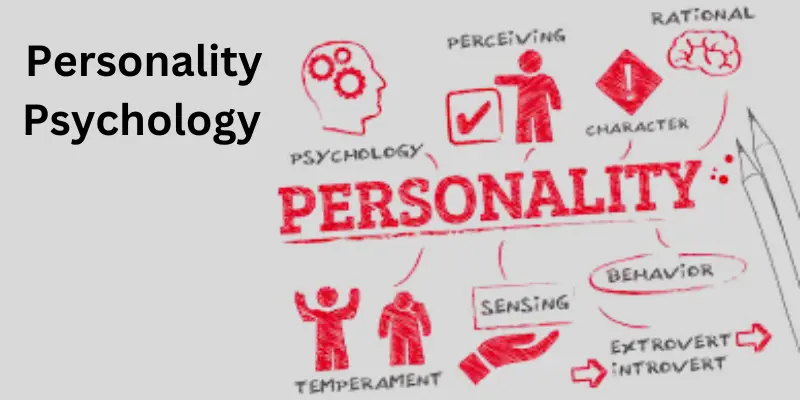
As a scientific discipline, personality psychology combines empirical research, psychological theories, and behavioral analysis to study personality traits, personality types, motivation, temperament, and character development. In modern psychology, it plays a crucial role in clinical psychology, organizational behavior, education, and mental health sciences.
What Is Personality Psychology?
Personality psychology is the scientific study of personality structure, development, and expression. It examines consistent patterns of behavior and internal processes that define an individual’s personality over time.
Key Elements of Personality Psychology
- Personality traits and characteristics
- Personality types and dimensions
- Individual differences
- Emotional and behavioral patterns
- Motivation, values, and attitudes
The goal of personality psychology is not only to describe personality but also to predict behavior and improve psychological well-being.
Background of Personality Psychology
The background of personality psychology is deeply rooted in early philosophical thought and evolved through scientific inquiry. Ancient Greek philosophers such as Hippocrates and Galen introduced early ideas about temperament, linking personality to bodily fluids or humors. These concepts laid the foundation for understanding individual differences.
In the late 19th and early 20th centuries, personality psychology emerged as a formal scientific discipline. Sigmund Freud’s psychoanalytic theory marked a turning point by emphasizing unconscious processes and early childhood experiences. This period established personality as a subject worthy of systematic study.
Mid-20th century developments brought trait theories, with psychologists like Gordon Allport, Raymond Cattell, and Hans Eysenck focusing on measurable personality traits. Later, humanistic psychologists such as Carl Rogers and Abraham Maslow shifted attention toward self-concept, free will, and personal growth.
In contemporary psychology, personality psychology integrates biological, cognitive, social, and cultural perspectives. Modern research relies on empirical methods, neuroscience, and cross-cultural studies, making personality psychology a dynamic and evidence-based field.
Core Concepts in Personality Psychology
Personality Traits
Personality traits are stable characteristics that influence how individuals think, feel, and act. Traits remain relatively consistent across situations and over time.
Personality Types
Personality types categorize individuals into groups based on shared traits or behavioral tendencies. These types help in understanding interpersonal differences.
Self-Concept and Identity
Self-concept refers to how individuals perceive themselves, while identity reflects personal values, beliefs, and life goals.
Temperament
Temperament is the biologically based aspect of personality present from early childhood, influencing emotional reactions and energy levels.
Major Theories of Personality Psychology
Psychoanalytic Theory
Proposed by Sigmund Freud, this theory emphasizes unconscious processes, childhood experiences, and internal conflicts. It highlights structures like the id, ego, and superego.
Trait Theory
Trait theory focuses on identifying and measuring personality traits. The Big Five Personality Traits model is the most widely accepted framework.
Humanistic Theory
Humanistic theorists emphasize free will, self-actualization, and personal growth. This approach views personality as dynamic and capable of change.
Behavioral Theory
Behavioral theory explains personality through learned behaviors shaped by environmental influences and reinforcement.
Social-Cognitive Theory
This theory integrates cognitive processes with social learning, emphasizing self-efficacy, beliefs, and situational influences.
The Big Five Personality Traits (OCEAN Model)
The Big Five model is the foundation of modern personality psychology.
| Trait | Description |
|---|---|
| Openness | Creativity, curiosity, openness to new experiences |
| Conscientiousness | Discipline, organization, responsibility |
| Extraversion | Sociability, energy, assertiveness |
| Agreeableness | Compassion, cooperation, trust |
| Neuroticism | Emotional instability, stress sensitivity |
This model is widely used in psychological research, career counseling, and organizational psychology.
Personality Development Across the Lifespan
Personality development is influenced by both genetic and environmental factors. While core traits remain stable, personality can evolve through life experiences.
Influencing Factors
- Genetics and heredity
- Family environment
- Culture and society
- Education and life experiences
- Trauma and significant events
Personality psychology acknowledges that change is possible through self-awareness, therapy, and intentional behavior modification.
Applications of Personality Psychology
Clinical Psychology
Used to assess mental health conditions, diagnose personality disorders, and guide therapeutic interventions.
Organizational Psychology
Helps in recruitment, leadership development, team building, and workplace productivity.
Education
Supports learning styles, motivation, and student behavior management.
Relationships and Communication
Enhances understanding of interpersonal dynamics, conflict resolution, and emotional intelligence.
Benefits of Studying Personality Psychology
| Benefit | Impact |
| Self-awareness | Better understanding of strengths and weaknesses |
| Improved relationships | Enhanced empathy and communication |
| Career alignment | Better job satisfaction and performance |
| Emotional regulation | Improved mental well-being |
Limitations and Criticism of Personality Psychology
| Limitation | Explanation |
| Overgeneralization | Personality models may oversimplify behavior |
| Cultural bias | Some theories lack cross-cultural validity |
| Measurement challenges | Personality assessment accuracy varies |
Despite these limitations, personality psychology remains a valuable scientific field.
Personality Psychology vs Other Psychology Branches
| Aspect | Personality Psychology | Social Psychology | Clinical Psychology |
| Focus | Individual differences | Group behavior | Mental disorders |
| Scope | Traits and patterns | Social influence | Diagnosis and treatment |
Role of Personality Psychology in Mental Health
Personality psychology helps identify maladaptive patterns, emotional vulnerabilities, and coping styles. It supports early intervention, stress management, and psychological resilience.
Future of Personality Psychology
With advances in neuroscience, artificial intelligence, and data analytics, personality psychology is becoming more precise and evidence-based. Digital personality assessments and personalized mental health interventions are shaping the future of this field.
Frequently Asked Questions (FAQs)
1. What is personality psychology in simple words?
Personality psychology studies how and why people think, feel, and behave differently. It focuses on traits, patterns, and individual differences that make each person unique.
2. Why is personality psychology important?
It helps improve self-understanding, mental health, relationships, and career decisions by explaining behavioral patterns and emotional responses.
3. What are personality traits?
Personality traits are consistent characteristics such as honesty, extraversion, or emotional stability that influence behavior across situations.
4. Can personality change over time?
Yes, while core traits are stable, personality can change due to life experiences, therapy, learning, and conscious self-development.
5. What is the Big Five personality theory?
The Big Five theory categorizes personality into five traits: openness, conscientiousness, extraversion, agreeableness, and neuroticism.
6. How is personality psychology used in real life?
It is used in counseling, education, workplace hiring, leadership training, relationship counseling, and mental health treatment.
Summary of Personality Psychology
Personality psychology is a foundational branch of psychology that explains the enduring patterns of thoughts, emotions, and behaviors that make each individual unique. From its philosophical origins to modern scientific research, the field has evolved to provide a comprehensive understanding of human personality.
By examining personality traits, types, and developmental influences, personality psychology supports self-awareness, emotional intelligence, and psychological well-being. Its applications in mental health, education, workplaces, and relationships highlight its practical value in everyday life.
As research continues to integrate genetics, neuroscience, and technology, personality psychology will remain essential for understanding human behavior, improving mental health outcomes, and fostering personal and social growth.
Conclusion
Personality psychology is a cornerstone of psychological science that explains human individuality, behavior patterns, and emotional responses. By integrating theory, research, and real-world application, it empowers individuals to understand themselves and others better. Whether applied in mental health, education, or professional development, personality psychology remains essential for personal growth and societal well-being.
Please Write Your Comments