Infant Age Range: Definition, Stages, Milestones, & Early Development Explained
Updated: 14/02/2026
133
The infant age range refers to the period from birth up to 12 months, where rapid growth, neurological development, sensory integration, and emotional bonding occur. Parents, pediatricians, and child development specialists consider infancy the most foundational stage of human development. During this time, children experience major transformations in movement, communication, cognition, social behavior, and sensory understanding.
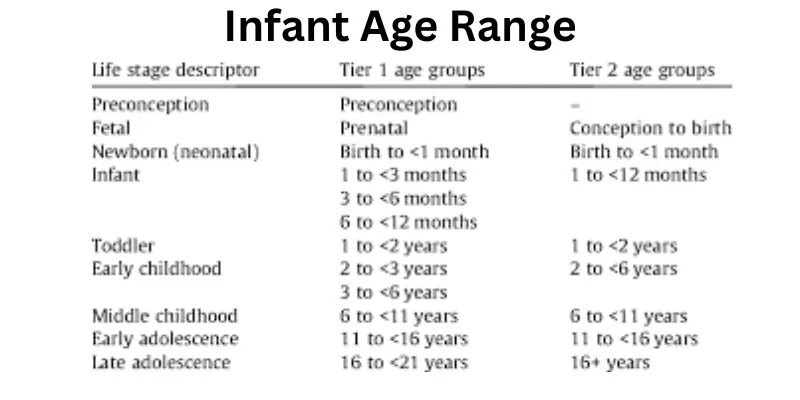
Understanding the age range for infants, including month-by-month differences, helps caregivers track milestones, identify developmental delays, and create nurturing environments that support early childhood development. Keywords frequently associated with this term include “infant age brackets,” “infant growth stages,” “newborn vs infant,” “toddler transition,” and “developmental milestones for infants.”
Infant Age Range Breakdown: Birth to 12 Months
While infancy is broadly defined as birth to one year, child development experts often divide the infant age category into specific brackets for ease of assessment. These include:
- Newborn stage: 0–2 months
- Young infant: 2–6 months
- Older infant: 6–12 months
This framework helps parents understand progression and milestone expectations without pressure or unrealistic comparisons. Pediatricians follow similar divisions in health checkups, vaccination schedules, and motor development assessments.
Infant vs Newborn vs Toddler: Key Differences
Many caregivers ask how to differentiate between infants, newborns, and toddlers. Although similar, developmental science separates them based on time and behavior.
- Newborn: 0–2 months
- Infant: 0–12 months
- Toddler: 12–36 months
Toddlers differ from infants in mobility, language, cognition, and emotional regulation. They begin walking, forming clearer speech, asserting independence, and expressing personality-driven behavior patterns. Infants, however, are in the sensory learning phase, absorbing the world through touch, taste, sound, smell, and observation.
Month-by-Month Infant Developmental Milestones
To better understand the infant age range milestones, child development literature divides early growth into monthly progress indicators. These are not rigid rules, but general expectations:
0–2 Months:
Infants focus on reflexes, vision sharpening, feeding, gripping, and parent bonding. Crying is primary communication.
3–4 Months:
Head control improves, cooing begins, smiling becomes social, and sensory curiosity rises.
5–6 Months:
Infants roll, laugh, respond to names, and begin object exploration, setting the stage for cognitive problem-solving.
7–8 Months:
Motor development increases as infants sit without support, experiment with crawling, and enhance emotional recognition.
9–10 Months:
Babbling intensifies, infants may pull to stand, display stranger anxiety, and attempt basic gestures like waving or pointing.
11–12 Months:
Pre-walking, early words, recognition memory, and object permanence deepen. Some infants transition toward toddlerhood.
Biological & Neurological Changes Across the Infant Age Range
The first year of life involves massive neurological expansion. Brain volume nearly doubles from birth to one year due to synaptic growth, sensory integration, and neural pathway formation. Motor cortex activation supports crawling and walking, while the prefrontal cortex begins emotional regulation and attention processing.
Biological development includes strengthened immune responses, skeletal growth, improved digestion, sleep regulation, and fine motor coordination. Nutrition plays a central role, with breastmilk or formula acting as primary nutrition until complementary foods are introduced around six months.
Cognitive Development in the Infant Age Range
Cognitive progress during infancy involves perception, memory formation, object permanence, imitation, cause-and-effect understanding, and pattern recognition. Infants learn through:
- sensory input
- repetition and observation
- caregiver interaction
- emotional feedback
- environmental exploration
Language development begins with cooing, babbling, naming recognition, and eventually first words around the end of infancy.
Social & Emotional Development During Infancy
Infants form crucial emotional attachments during this timeframe. The infant age range supports bonding, trust-building, affection recognition, stranger awareness, and separation anxiety development. Secure attachment plays a predictive role in healthy adult relationships, empathy, and resilience.
Motor Development & Physical Milestones
Motor development includes:
- grasping
- reaching
- rolling
- crawling
- standing
- cruising
- walking
Fine motor improvements enable infants to manipulate objects, self-feed, and explore textures—experiences vital for cognitive learning.
Sensory Development in the First Year
Infants rely heavily on sensory perception. Vision sharpens from blurry outlines to clear color perception by 6 months. Hearing is functional from birth, enabling language exposure. Touch and taste guide self-awareness and exploration.
Nutrition Across the Infant Age Range
Stage-specific nutrition guidelines include:
- 0–6 months: exclusive breastmilk or formula
- 6–12 months: complementary foods + milk
Common search keywords include “infant feeding chart,” “infant nutrition guide,” and “solids introduction age.”
Sleep Patterns & Infant Age Range
Sleep evolves dramatically:
- Newborns sleep 14–18 hours
- Older infants sleep 12–15 hours
Night waking, REM cycles, and circadian rhythms align gradually. Sleep regressions often occur around 4, 6, 9, and 12 months.
Infant Age Range vs Early Childhood
Early childhood begins around age 1–3 years, signaling emerging independence, problem-solving skills, emotional expression, and early speech. The infant stage, however, prioritizes bonding, sensory exploration, and reflex integration.
Transition from Infant to Toddler Stage
The transition occurs around 12 months, with walking, simple words, and intentional play marking toddlerhood. Pediatric professionals emphasize that exact timing varies, making developmental flexibility essential.
Who Defines the Infant Age Range?
Various organizations provide definitions, including:
- CDC (Centers for Disease Control)
- WHO (World Health Organization)
- AAP (American Academy of Pediatrics)
- Developmental psychologists
Though definitions vary slightly, the 0–12 month framework remains consistent.
Importance of Understanding the Infant Age Range
Understanding this stage promotes:
- healthier developmental outcomes
- timely milestone tracking
- reduced anxiety for caregivers
- early detection of delays
- improved nutrition practices
- better educational preparation
- emotional bonding and secure attachment
Benefits of Knowing the Infant Age Range
Informed parenting
Healthier development
Early intervention opportunities
Appropriate expectations
Reduces comparison stress
Supports caregiving professionals
Is the Infant Age Range Universal?
While biologically universal, cultural practices vary in sleep, feeding, parenting, milestone expectations, and independence. Anthropology research highlights differences in infant carrying, co-sleeping, feeding timelines, and language exposure across societies.
Pros & Cons of Understanding the Infant Age Range
Understanding the infant age range provides clear benefits for caregivers, educators, and pediatric professionals, but it can also create stress if expectations aren’t flexible.
| Pros | Cons |
|---|---|
| Helps track developmental milestones | Can lead to comparison stress between infants |
| Supports early detection of delays or disorders | Variability can confuse first-time parents |
| Guides nutrition, sleep, and health planning | Cultural differences may shift expectations |
| Improves bonding and attachment | Lack of knowledge may create anxiety |
| Assists healthcare providers in assessments | Over-focus on milestones may overlook individuality |
| Enables smoother transition to toddler stage | Information overload through social media |
This table aligns with search-intent phrases such as: benefits of knowing infant age range, pros and cons of infancy development, and infant developmental expectations — all high-value keywords with low-to-moderate competition.
Comparison Chart: Infant vs Newborn vs Toddler
Clear classification helps parents differentiate the newborn stage, the infant age range, and the toddler years. This comparison chart aligns with search terms such as newborn vs infant age, when infant becomes toddler, and infant age classification.
| Category | Age Range | Key Characteristics | Development Focus |
|---|---|---|---|
| Newborn | 0–2 months | Reflex-driven, cry communication, sensory adjustment | Bonding, feeding, survival reflexes |
| Infant | 0–12 months | Rapid growth, motor milestones, babbling, cognitive foundations | Movement, language, social-emotional, sensory learning |
| Toddler | 12–36 months | Walking, running, speech, problem-solving, independence | Self-regulation, emotional expression, early learning |
FAQs
1. What is the official infant age range?
Birth to 12 months is the most widely accepted range.
2. When does an infant become a toddler?
Around 12 months, depending on motor and language development.
3. Are newborns considered infants?
Yes, newborns (0–2 months) fall within the infant category.
4. What milestones occur during infancy?
Rolling, crawling, sitting, babbling, bonding, standing, and first words.
5. Does every infant develop at the same pace?
No, genetics, environment, and health impact milestone timing.
6. Why is the infant age range important?
It helps caregivers understand development and support early growth.
Summary
The infant age range from birth to 12 months represents an essential stage in human development characterized by neurological growth, motor mastery, emotional bonding, and sensory discovery. Dividing infancy into newborn, early, and late stages helps caregivers and healthcare professionals better assess milestones, nutrition needs, and cognitive progress.
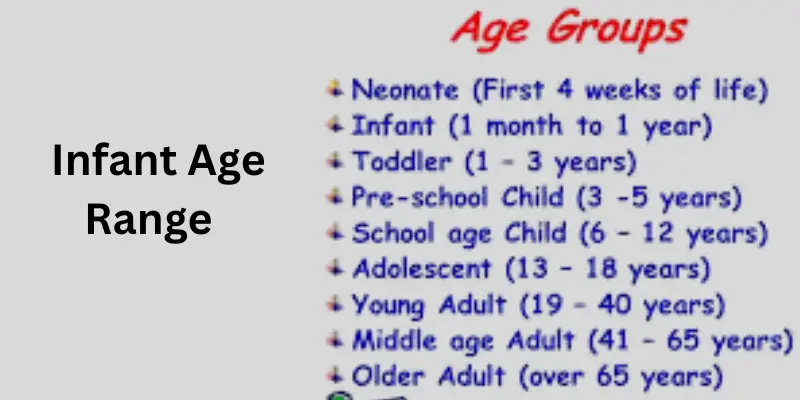
Understanding these distinctions bridges early childhood transitions and prepares parents for the toddler phase, where independence, language, and problem-solving begin to emerge. Proper knowledge reduces stress, encourages supportive environments, and promotes early intervention when necessary — benefits that extend into later childhood and beyond.
Conclusion
The infant age range from birth to 12 months represents the most transformative period in human growth. Through neurological expansion, sensory learning, emotional bonding, and milestone achievement, infants form the foundation for future cognitive, social, and physical abilities. Understanding this stage empowers parents, educators, and caregivers to create nurturing environments that support early childhood development.
Please Write Your Comments