Forensic Psychology: Meaning, Scope, Careers, Salary, Legal Roles & Applications
Updated: 13/01/2026
132
Introduction
Forensic psychology is a specialized branch of psychology that applies behavioral science to legal, criminal justice, and investigative contexts. It focuses on understanding criminal behavior, motives, mental disorders, victim psychology, rehabilitation, and courtroom processes. In simple terms, forensic psychology bridges the gap between psychology and law.
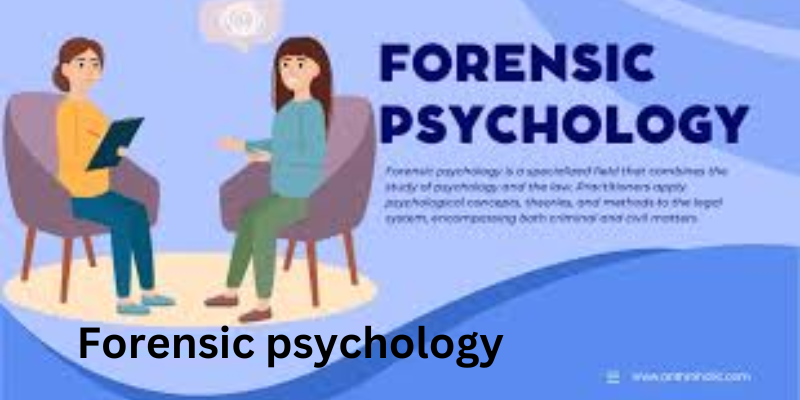
It helps courts evaluate whether a defendant is mentally competent, assists law enforcement in offender profiling, and supports victims through counseling and victim advocacy. Today, forensic psychology is widely used in criminal courts, family courts, correctional facilities, law enforcement training, and crime prevention programs.
Understanding the Meaning of Forensic Psychology
The meaning of forensic psychology extends beyond crime scenes and profiling. It includes research-based evaluations, legal decision-making, expert witness testimony, mental health assessments, and ethical applications of psychological principles in legal contexts.
Forensic psychologists do not only study criminals — they also work with victims, juries, police departments, attorneys, juvenile offenders, and correctional institutions. Modern forensic psychology also integrates neuroscience, criminology, psychopathology, behavioral analytics, and cognitive science.
History & Evolution of Forensic Psychology
The roots of forensic psychology trace back to the early 1900s, when psychologists like Hugo Münsterberg emphasized the role of psychology in legal decision-making. Over decades, interdisciplinary fields such as criminology, psychiatry, forensic science, and social psychology contributed to its development.
Today forensic psychology is foundational to:
- Criminal profiling & crime analysis
- Jury psychology & trial consulting
- Risk assessment & rehabilitation programs
- Investigation strategies & offender interviews
- Competency evaluations & expert testimony
Digital crime and cybercrime have further expanded its relevance in the last two decades.
How Forensic Psychology Works
Forensic psychology works by applying psychological principles to legal cases, investigations, and courtroom processes. It involves analyzing behavior, motives, mental health disorders, and risk levels. Forensic psychologists evaluate competency to stand trial, testify in court, support law enforcement, and assist with sentencing decisions. Their expertise influences both civil and criminal cases.
Key Roles & Responsibilities in Forensic Psychology
Common responsibilities include:
- Competency evaluations
- Criminal profiling
- Psychopathy assessments
- Expert courtroom testimony
- Risk assessment & prediction of reoffending
- Victim counseling and witness support
- Juvenile consultation and rehabilitation
- Consultation for jury selection
- Correctional treatment planning
These duties require professional ethics, impartiality, strong communication skills, research knowledge, and legal understanding.
Forensic Psychology Types
Common types of forensic psychology include:
- Clinical Forensic Psychology — mental health evaluations, competency, and psychopathy assessment.
- Investigative & Criminal Profiling Psychology — offender profiling, behavioral analysis, victimology.
- Correctional Psychology — rehabilitation, treatment planning, and recidivism reduction.
- Police & Public Safety Psychology — crisis intervention, officer evaluation, negotiation training.
- Legal & Courtroom Psychology — expert testimony, jury consulting, trial psychology.
- Forensic Counseling & Victim Advocacy — trauma counseling, witness preparation, crisis support.
These types overlap and often work together in civil and criminal justice systems.
Pros & Cons of Forensic Psychology
| Pros | Cons |
|---|---|
| High demand in criminal justice & courts | Emotional stress & exposure to trauma |
| Diverse career opportunities & specializations | Requires advanced education & licensing |
| Intellectually rewarding & meaningful impact | Time-consuming legal processes |
| Good income potential for consultants & expert witnesses | Ethical dilemmas & impartiality challenges |
| Contributes to rehabilitation & justice reform | Courtroom testimony pressure |
| Expanding field with new applications | Limited jobs in smaller regions |
Comparison of Forensic Psychology
Forensic psychology can be compared with several neighboring fields:
| Field | Focus | Key Differences |
|---|---|---|
| Criminal Psychology | Offender personality & motives | Narrower; not court-oriented |
| Criminology | Crime patterns, causes & society | More sociological than behavioral |
| Psychiatry | Mental disorders & medication | Medical degree & drug treatment |
| Neuroscience | Brain functions & cognition | Biological focus vs. behavioral-legal |
| Counseling Psychology | Therapy & mental well-being | Not specialized for legal settings |
| Legal Psychology | Decision-making & jury behavior | Focuses on courts more than mental health |
| Correctional Psychology | Rehabilitation & prisons | Sub-branch of forensic practice |
Applications of Forensic Psychology in the Legal System
Forensic psychology in law has broad applications across civil and criminal justice. The field influences sentencing, trial decisions, custody arrangements, risk assessments, diversion programs, corrections, and rehabilitation.
Common applications include:
1. Criminal Courts
Determining mental state, criminal responsibility, insanity defense, and risk of reoffending.
2. Civil Courts
Custody disputes, personal injury claims, competency evaluations, and guardianship cases.
3. Correctional Settings
Rehabilitation plans, counseling, psychopathy assessments, and treatment compliance.
4. Law Enforcement
Profiling, interrogation techniques, investigative psychology, trauma training, and threat assessment.
Forensic Psychology vs. Criminal Psychology
Although related, forensic psychology focuses on legal decision-making and courtroom processes, while criminal psychology primarily studies the behavior, motives, and patterns of offenders. Forensic psychology is broader, involving victims, legal actors, and civil cases, while criminal psychology concentrates on offender profiling and criminogenic behavior.
Forensic Psychology vs. Criminology
Criminology studies the social causes of crime, crime patterns, and societal responses. Forensic psychology studies individual behavior and mental processes related to crime and legal issues. Criminology is more sociological, while forensic psychology is rooted in behavioral science and mental health.
Forensic Psychology Branches & Specializations
The field now includes multiple specialized branches:
- Clinical forensic psychology
- Legal psychology
- Police psychology
- Correctional psychology
- Juvenile forensic psychology
- Forensic neuropsychology
- Investigative psychology
- Forensic counseling & victim advocacy
- Forensic assessment & expert testimony
Common Assessments in Forensic Psychology
Some widely used psychological tests include:
- Psychopathy Checklist (PCL-R)
- Competency assessment tools
- Risk assessment scales
- MMPI-2 for personality assessment
- IQ and neurocognitive tests
- Trauma & PTSD evaluations
- Violence risk tools
- Sex offender risk instruments
These assessments inform legal decisions, sentencing, parole, and rehabilitation.
Forensic Psychology in Criminal Profiling
Forensic psychologists analyze crime scene patterns, behavioral signatures, victimology, and offender fantasies to identify motives and psychological traits. Profiling aids law enforcement during investigations, but it is used alongside forensic science, digital evidence, and criminological data to improve accuracy.
Careers in Forensic Psychology
Growing career pathways include:
- Forensic psychologist
- Criminal profiler
- Behavioral analyst
- Expert witness
- Victim advocate
- Correctional psychologist
- Police consultant
- Jury consultant
- Forensic counselor
- Academic researcher
- Trial psychologist
- Mental health evaluator
Salary & Job Outlook for Forensic Psychologists
In the United States, forensic psychologists typically earn between $75,000 and $135,000 annually, depending on experience, education, specialization, and location. Expert witnesses earn additional income per courtroom appearance. The U.S. Bureau of Labor Statistics projects strong demand for psychologists in legal settings due to increasing court caseloads, competency evaluations, juvenile crimes, and correctional mental health needs.
Is Forensic Psychology a Good Career?
Forensic psychology is an excellent career for individuals interested in law, mental health, crime analysis, and rehabilitation. Job opportunities are growing in correctional facilities, courts, law enforcement, counseling, and academia. The career offers variety, intellectual challenge, and societal impact.
Skills Required
Important skills include:
- Critical thinking
- Research & statistics
- Communication
- Psychological assessment
- Ethics & confidentiality
- Knowledge of legal standards
- Courtroom testimony competency
- Crisis intervention skills
- Cultural awareness
- Trauma understanding
Education & Licensing Requirements
Becoming a forensic psychologist typically requires:
- Bachelor’s degree in psychology or criminal justice
- Master’s degree or doctoral degree (PhD or PsyD)
- State licensure for clinical practice
- Board certification for specialization
- Internship & supervised hours
- Continuing education
Some careers require additional forensic or legal training.
Ethics in Forensic Psychology
Ethical considerations involve confidentiality, objectivity, informed consent, dual relationships, competency, impartiality, and scientific integrity. Forensic psychologists must avoid bias and base conclusions on validated research, objective assessment, and legal standards.
Top Frequently Asked Questions (FAQs )
1. What is forensic psychology and what does it do?
Forensic psychology applies behavioral science to legal and criminal justice systems. It examines criminal behavior, evaluates mental competency, provides expert courtroom testimony, and assists law enforcement. It also supports victims, offenders, and civil litigants through assessment and counseling.
2. Is forensic psychology the same as criminal profiling?
Criminal profiling is only one aspect of forensic psychology. Profiling focuses on identifying offender traits and motives, while forensic psychology includes legal evaluations, courtroom processes, civil cases, and victim services. Profiling is narrower and commonly used in investigations.
3. What jobs can you get with a forensic psychology degree?
Careers include forensic psychologist, behavioral analyst, criminal profiler, correctional counselor, jury consultant, victim advocate, police consultant, academic researcher, and expert witness. Some careers require licensure, graduate degrees, or specialized certifications.
4. How much do forensic psychologists earn?
U.S. forensic psychologists generally earn $75,000–$135,000 annually. Experienced professionals, consultants, and expert witnesses may earn significantly more. Salary varies by education, location, specialization, and work setting.
5. What is the role of forensic psychology in the criminal justice system?
Forensic psychology influences courtroom decisions, sentencing, rehabilitation, competency evaluations, and offender risk assessments. It also supports victims, informs law enforcement strategies, and provides expert testimony in civil and criminal cases.
6. Is forensic psychology a good career choice?
Yes, forensic psychology is a high-demand, impactful, and intellectually rewarding field. It suits individuals interested in psychology, law, criminology, and mental health. The career offers good salary potential and diverse job opportunities.
Summary of Forensic Psychology
Forensic psychology is a vital field linking behavioral science to legal and criminal justice processes. It helps courts make informed decisions, assists law enforcement during investigations, provides expert evaluations, supports victims, and guides rehabilitation programs. As crime, mental health issues, and legal complexities increase, forensic psychology will continue to expand and play a crucial role in modern societies.
Conclusion of Forensic Psychology
Forensic psychology plays a critical role in bridging psychology with the legal and criminal justice systems. It helps courts make informed decisions, assists law enforcement in investigations, evaluates mental competency, and supports victims and offenders through treatment and counseling. As crime patterns evolve and mental health awareness increases, forensic psychology continues expanding in scope, career opportunities, and societal importance. It remains a dynamic field with strong future demand across legal, clinical, investigative, and correctional sectors.
Please Write Your Comments