Different Parenting Styles: A Complete Guide for Modern Parents
Updated: 01/01/2026
151
Introduction
Parenting is one of the most influential roles a person will ever have. Every decision a parent makes—how they communicate, discipline, support, or guide—shapes a child’s emotional, social, and psychological development. This is where different parenting styles come into play.
Understanding different parenting styles helps parents recognize their own approach, understand its impact, and make informed adjustments to raise confident, emotionally healthy, and successful children. Research in child psychology shows that parenting style directly affects a child’s behavior, self-esteem, academic performance, and even adult relationships.
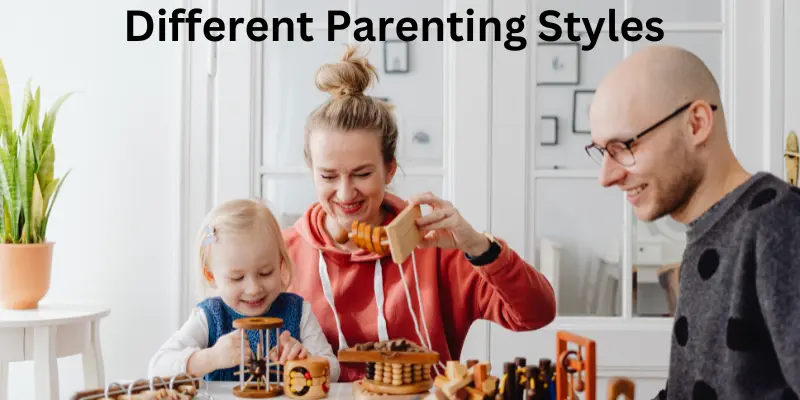
In this in-depth guide, we will explore the types of parenting styles, their characteristics, advantages, disadvantages, real-life examples, and how to choose the best parenting style for your family.
How Different Parenting Styles Work
Different parenting styles work by balancing two core elements: emotional responsiveness and behavioral control.
- Authoritative parenting works through guidance and mutual respect. Parents set clear rules while explaining reasons and encouraging independence, helping children develop responsibility and emotional intelligence.
- Authoritarian parenting works through strict control and obedience. Rules are enforced without discussion, which may create discipline but can limit confidence and emotional expression.
- Permissive parenting works through emotional warmth with minimal structure. Children feel loved but may struggle with self-discipline and boundaries due to a lack of rules.
- Uninvolved parenting works with minimal involvement or guidance, often leading to emotional distance and developmental challenges.
In practice, parenting styles influence how children respond to authority, manage emotions, perform academically, and build social relationships. Parents who consciously apply a balanced, flexible, and supportive approach—often rooted in authoritative parenting—tend to raise confident, emotionally secure, and well-adjusted children.
What Are Different Parenting Styles?
Different parenting styles refer to the distinct approaches parents use to raise their children. These styles are based on two key factors:
- Responsiveness – How warm, supportive, and emotionally available a parent is
- Demandingness – How much control, discipline, and structure a parent provides
Psychologists categorize parenting approaches by balancing these two factors. The way parents combine warmth and discipline determines the parenting style they follow.
Why Understanding Different Parenting Styles Matters
Understanding different parenting styles is important because:
- Parenting style affects a child’s emotional intelligence
- It shapes behavior, confidence, and independence
- It influences mental health and stress management
- It impacts academic success and decision-making skills
- It plays a role in adulthood relationships and parenting patterns
Parents who understand parenting styles can adopt healthier strategies and avoid long-term negative outcomes.
The Four Main Different Parenting Styles
Psychologist Diana Baumrind, along with later researchers, identified four main parenting styles. These are the most widely recognized and researched types worldwide.
1. Authoritative Parenting Style
The authoritative parenting style is widely considered the most effective and balanced approach among all different parenting styles. It combines high warmth with clear rules and expectations.
Authoritative parents are nurturing, supportive, and communicative while still maintaining boundaries and discipline.
Key Characteristics
- High emotional support
- Clear rules and expectations
- Open communication
- Fair and consistent discipline
- Encouragement of independence
Examples of Authoritative Parenting
- Listening to a child’s opinion before making decisions
- Explaining the reason behind rules
- Using consequences instead of punishment
- Encouraging problem-solving skills
Pros of Authoritative Parenting
- Builds strong self-esteem
- Encourages independence and responsibility
- Improves emotional regulation
- Promotes academic success
- Develops social competence
Cons of Authoritative Parenting
- Requires time, patience, and consistency
- Can be challenging for busy parents
- Requires emotional awareness and communication skills
Impact on Children
Children raised with an authoritative parenting style tend to be confident, socially skilled, emotionally stable, and academically successful.
2. Authoritarian Parenting Style
The authoritarian parenting style is strict, controlling, and rule-focused. Parents emphasize obedience and discipline with little emotional warmth.
Among different parenting styles, authoritarian parenting relies heavily on authority rather than connection.
Key Characteristics
- Strict rules and high expectations
- Limited emotional expression
- Little explanation for rules
- Punishment-based discipline
- Low flexibility
Examples of Authoritarian Parenting
- “Because I said so” responses
- Harsh punishments for mistakes
- Expecting obedience without discussion
- Limited praise or emotional support
Pros of Authoritarian Parenting
- Creates structure and order
- Children may follow rules well
- Clear expectations are set
Cons of Authoritarian Parenting
- Can lower self-esteem
- Increases anxiety and fear
- Weakens parent-child bond
- Reduces decision-making skills
Impact on Children
Children raised under authoritarian parenting may struggle with confidence, social skills, and emotional expression. Some may become rebellious, while others may develop fear-based obedience.
3. Permissive Parenting Style
The permissive parenting style is warm and loving but lacks structure and discipline. Parents are indulgent and avoid setting firm boundaries.
Among different parenting styles, permissive parenting emphasizes freedom over control.
Key Characteristics
- High emotional warmth
- Few rules or expectations
- Minimal discipline
- Child-led decision-making
- Avoidance of conflict
Examples of Permissive Parenting
- Allowing unlimited screen time
- Letting children decide bedtime
- Rarely enforcing consequences
- Acting more like a friend than a parent
Pros of Permissive Parenting
- Strong emotional bond
- Children feel accepted and loved
- Encourages creativity and self-expression
Cons of Permissive Parenting
- Lack of self-discipline in children
- Poor impulse control
- Difficulty following rules
- Increased behavioral problems
Impact on Children
Children raised with permissive parenting may struggle with authority, responsibility, and emotional regulation, despite having high self-esteem.
4. Uninvolved (Neglectful) Parenting Style
The uninvolved parenting style is characterized by low responsiveness and low control. Parents provide basic needs but are emotionally distant.
This is the most harmful among different parenting styles.
Key Characteristics
- Little emotional involvement
- Minimal communication
- Few rules or guidance
- Limited supervision
- Detached parenting behavior
Examples of Uninvolved Parenting
- Rarely engaging in conversations
- Ignoring emotional needs
- Lack of interest in education or activities
- Minimal discipline or support
Pros of Uninvolved Parenting
- Encourages early independence (unintentionally)
Cons of Uninvolved Parenting
- Emotional neglect
- Poor social skills
- Low self-esteem
- Increased risk of mental health issues
Impact on Children
Children raised with uninvolved parenting often struggle with attachment, emotional regulation, academic performance, and relationships later in life.
Comparison Table: Different Parenting Styles
| Parenting Style | Warmth | Discipline | Communication | Child Outcome |
|---|---|---|---|---|
| Authoritative | High | High | Open | Confident, responsible |
| Authoritarian | Low | High | One-way | Obedient but anxious |
| Permissive | High | Low | Open | Creative but impulsive |
| Uninvolved | Low | Low | Minimal | Detached, insecure |
How Different Parenting Styles Affect Child Development
Emotional Development
- Authoritative parenting builds emotional intelligence
- Authoritarian parenting may suppress emotions
- Permissive parenting can cause emotional instability
- Uninvolved parenting leads to emotional neglect
Behavior and Discipline
- Balanced discipline improves self-control
- Excessive strictness increases fear
- Lack of rules creates behavioral issues
Academic Performance
- Authoritative parenting supports learning
- Authoritarian parenting creates pressure
- Permissive parenting lacks academic structure
Social Skills
- Communication-based parenting improves relationships
- Strict control limits social confidence
Can Parents Use More Than One Parenting Style?
Yes. Many parents use a mixed or flexible parenting approach. Parenting styles can change based on:
- Child’s age
- Child’s personality
- Cultural values
- Situational demands
However, research shows that authoritative parenting, when used consistently, produces the most positive outcomes.
Cultural Influence on Different Parenting Styles
Parenting styles vary across cultures:
- Asian cultures often lean toward authoritarian traits
- Western cultures emphasize authoritative parenting
- Extended family systems influence parenting choices
Cultural context plays an important role, but emotional support and communication remain universally beneficial.
Modern Parenting Styles and Trends
Today’s parents often combine traditional styles with modern practices such as:
- Gentle parenting
- Positive parenting
- Conscious parenting
- Attachment parenting
Most modern approaches are rooted in authoritative principles.
How to Choose the Best Parenting Style
To choose the best approach among different parenting styles, parents should:
- Understand their child’s emotional needs
- Set clear but reasonable boundaries
- Communicate openly and respectfully
- Adapt parenting as the child grows
- Focus on long-term development
Expert Tips for Healthy Parenting
- Be consistent but flexible
- Use discipline as teaching, not punishment
- Encourage independence
- Model emotional regulation
- Build trust through communication
Frequently Asked Questions About Different Parenting Styles
What is the most effective parenting style?
Authoritative parenting is considered the most effective because it balances warmth with clear rules, helping children develop confidence, responsibility, and emotional stability.
Is strict parenting harmful?
Strict parenting can be harmful if it lacks emotional support, as it may lead to anxiety, low self-esteem, or fear-based behavior in children.
Can parenting styles change over time?
Yes, parenting styles can change as children grow, family circumstances evolve, and parents gain more experience or awareness.
Do parenting styles affect adulthood?
Yes, parenting styles influence adult behavior, emotional health, relationships, and decision-making patterns formed during childhood.
Can parents mix different parenting styles?
Yes, many parents use a mixed approach, but consistency and emotional support are essential for healthy child development.
Summary
Different parenting styles shape how children think, behave, learn, and build relationships throughout their lives. Each parenting style reflects a unique balance of emotional support and discipline, directly influencing a child’s confidence, self-control, and mental well-being. While no single approach is perfect for every situation, research consistently shows that parenting styles combining warmth, clear expectations, and open communication lead to healthier child development.
Understanding these differences allows parents to adjust their approach, respond better to their child’s needs, and create a supportive environment that promotes long-term success

Conclusion
Understanding different parenting styles empowers parents to make informed decisions that positively shape their children’s future. While no parent is perfect, awareness and intentional effort can make a significant difference.
Among all parenting approaches, authoritative parenting consistently stands out as the healthiest and most effective. It balances love with limits, guidance with independence, and discipline with empathy.
By recognizing your parenting style and adjusting when needed, you can nurture confident, responsible, emotionally strong children prepared for life’s challenges.
Please Write Your Comments