What is Early Childhood Education: Importance, Benefits, and Guide
Updated: 24/03/2026
68
Introduction
Early childhood education is one of the most critical phases in a child’s development. It lays the foundation for lifelong learning, behavior, and overall well-being. When we talk about what is early childhood education, we refer to the structured teaching and care provided to children from birth to around eight years old. This stage is essential because it is when the brain develops most rapidly, making it the ideal time to nurture cognitive, emotional, social, and physical growth.
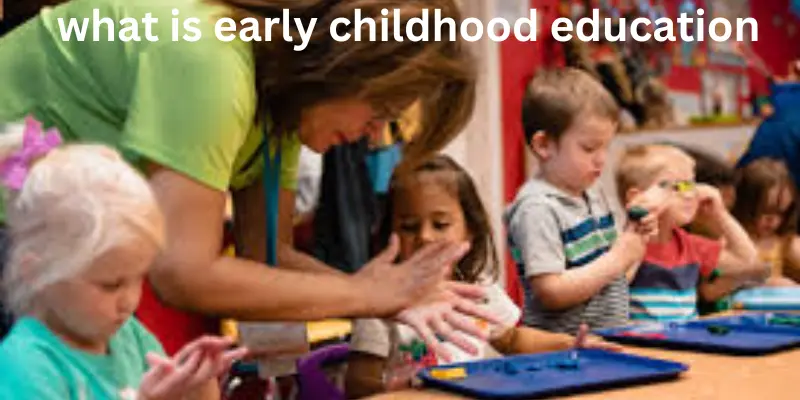
Understanding what is early childhood education helps parents, educators, and policymakers recognize its importance in shaping future generations. In today’s fast-changing world, investing in early childhood education is not just beneficial—it is necessary.
History of Early Childhood Education
Understanding the history of early childhood education helps us see how modern practices evolved. Early childhood education dates back centuries, but it became more structured in the 18th and 19th centuries.
Philosophers like Jean-Jacques Rousseau emphasized natural development, while Friedrich Froebel introduced the concept of kindergarten, focusing on play and creativity. Later, Maria Montessori revolutionized early childhood education with child-centered learning and hands-on activities.
In the 20th century, early childhood education expanded globally, supported by governments and organizations recognizing its importance. Today, it is a key part of educational systems worldwide.
What is Early Childhood Education?
Early childhood education is a branch of education theory and practice that focuses on teaching children from infancy through early primary school years. It includes both formal and informal learning experiences designed to support holistic development.
When defining what is early childhood education, it is important to note that it goes beyond traditional classroom learning. It involves play-based learning, social interaction, emotional development, and foundational academic skills such as literacy and numeracy.
This type of education is typically delivered in settings such as:
- Preschools
- Kindergartens
- Daycare centers
- Early primary schools
- Home-based learning environments
Importance of Early Childhood Education
Understanding what is early childhood education also means understanding its significance. Early childhood education plays a vital role in shaping a child’s future.
1. Brain Development
During early childhood, the brain forms billions of neural connections. High-quality early childhood education enhances cognitive abilities and learning capacity.
2. Social and Emotional Growth
Children learn how to interact, share, and communicate. These skills are essential for building relationships and emotional intelligence.
3. Academic Readiness
Early exposure to basic concepts prepares children for formal schooling. It improves literacy, numeracy, and problem-solving skills.
4. Long-Term Success
Studies show that children who receive early childhood education are more likely to succeed academically and professionally.
5. Reducing Inequality
Early childhood education helps bridge gaps between different socio-economic groups by providing equal learning opportunities.
Key Components of Early Childhood Education
To fully understand what is early childhood education, we must explore its core components.
1. Play-Based Learning
Play is central to early childhood education. It encourages creativity, imagination, and problem-solving.
2. Language Development
Children develop communication skills through storytelling, conversation, and interactive activities.
3. Physical Development
Activities like running, drawing, and building improve motor skills and coordination.
4. Emotional Development
Children learn to manage emotions, build confidence, and develop empathy.
5. Cognitive Skills
Early childhood education introduces basic concepts such as numbers, shapes, and patterns.
Types of Early Childhood Education Programs
When discussing what is early childhood education, it’s important to recognize the different program types available.
1. Montessori Education
Focuses on self-directed learning and hands-on activities.
2. Reggio Emilia Approach
Encourages exploration and creativity through child-led projects.
3. Waldorf Education
Emphasizes imagination, storytelling, and holistic development.
4. Traditional Preschool Programs
Structured curriculum focusing on academic readiness and social skills.
5. Home-Based Learning
Parents play a key role in educating children through daily activities and interaction.
Curriculum in Early Childhood Education
The curriculum is a crucial part of understanding what is early childhood education. It is designed to promote overall development rather than just academic success.
Key Areas Include:
- Language and literacy
- Mathematics basics
- Science exploration
- Social studies
- Creative arts
- Physical education
A balanced curriculum ensures that children develop in all areas, not just academically.
Role of Teachers in Early Childhood Education
Teachers play a vital role in delivering effective early childhood education.
Responsibilities Include:
- Creating a safe and nurturing environment
- Encouraging curiosity and exploration
- Observing and assessing development
- Communicating with parents
- Designing engaging learning activities
Understanding what is early childhood education also means recognizing the importance of trained and compassionate educators.
Role of Parents in Early Childhood Education
Parents are the first teachers in a child’s life. Their involvement is essential in early childhood education.
Ways Parents Contribute:
- Reading to children daily
- Encouraging play and exploration
- Providing emotional support
- Establishing routines
- Collaborating with teachers
A strong partnership between parents and educators enhances the effectiveness of early childhood education.
Benefits of Early Childhood Education
There are numerous advantages to understanding and implementing early childhood education.
1. Improved Academic Performance
Children develop strong foundational skills.
2. Better Social Skills
They learn cooperation, communication, and teamwork.
3. Increased Confidence
Early achievements boost self-esteem.
4. Enhanced Creativity
Creative activities foster innovation and imagination.
5. Lifelong Learning Habits
Children develop a love for learning that continues into adulthood.
Challenges in Early Childhood Education
While understanding what is early childhood education is important, it is equally important to address the challenges.
1. Lack of Access
Not all children have access to quality programs.
2. High Costs
Early childhood education can be expensive for families.
3. Teacher Shortages
There is a need for more trained professionals.
4. Quality Variations
Programs differ in quality and standards.
5. Limited Awareness
Some parents are unaware of the importance of early childhood education.
Technology in Early Childhood Education
Technology is increasingly becoming part of early childhood education.
Benefits:
- Interactive learning tools
- Educational apps
- Digital storytelling
Challenges:
- Screen time concerns
- Reduced physical activity
- Need for supervision
Balanced use of technology can enhance learning without replacing traditional methods.
How to Choose the Right Early Childhood Education Program
Selecting the right program is crucial when considering what is early childhood education for your child.
Factors to Consider:
- Qualified teachers
- Safe environment
- Balanced curriculum
- Child-to-teacher ratio
- Learning approach
- Parent involvement
Visiting schools and observing classrooms can help make informed decisions.
Future of Early Childhood Education
The future of early childhood education is evolving with new trends and innovations.
Emerging Trends:
- Personalized learning
- Inclusive education
- Focus on mental health
- Integration of technology
- Emphasis on sustainability
Understanding what is early childhood education today helps prepare for the future needs of children and society.
Importance of Play in Early Childhood Education
Play is a cornerstone of early childhood education. It is not just entertainment but a powerful learning tool.
Why Play Matters:
- Enhances creativity and imagination
- Develops problem-solving skills
- Improves social interaction
- Builds emotional resilience
Play-based learning is essential in understanding what is early childhood education, as it allows children to explore and learn naturally.
Early Childhood Education Curriculum Models Explained
Different curriculum models shape how early childhood education is delivered.
Common Models:
- Montessori Method – Focuses on independence and hands-on learning
- Reggio Emilia Approach – Encourages creativity and exploration
- Waldorf Education – Emphasizes imagination and holistic growth
- HighScope Approach – Based on active participatory learning
Each model supports different aspects of early childhood education, allowing flexibility in teaching methods.
Role of Emotional Intelligence in Early Learning
Emotional intelligence is a key part of early childhood education.
Key Aspects:
- Self-awareness
- Empathy
- Emotional regulation
- Social skills
Developing emotional intelligence helps children build strong relationships and manage challenges effectively. It is a vital component of understanding what is early childhood education.
Differences Between Preschool and Kindergarten
Many people confuse preschool and kindergarten in early childhood education.
| Feature | Preschool | Kindergarten |
|---|---|---|
| Age Group | 3–4 years | 5–6 years |
| Focus | Play-based learning | Academic readiness |
| Structure | Flexible | More structured |
| Goal | Social development | School preparation |
Both are essential stages in early childhood education, serving different developmental needs.
Early Childhood Education Teaching Methods
Teaching methods define how early childhood education is delivered.
Common Methods:
- Play-based learning
- Inquiry-based learning
- Experiential learning
- Cooperative learning
Effective teaching methods ensure children remain engaged and develop holistically.
Impact of Nutrition on Early Childhood Development
Nutrition plays a critical role in early childhood education.
Key Benefits:
- Supports brain development
- Improves concentration
- Enhances physical growth
- Boosts immunity
A balanced diet ensures children can fully benefit from early childhood education programs.
Inclusive Education in Early Childhood
Inclusive education ensures all children have equal access to early childhood education.
Key Principles:
- Equal opportunities
- Support for diverse needs
- Accessible learning environments
- Respect for differences
Inclusive practices make early childhood education more effective and equitable.
Assessment Methods in Early Childhood Education
Assessment in early childhood education focuses on development rather than exams.
Methods Include:
- Observations
- Portfolios
- Checklists
- Developmental screenings
These methods help track progress and tailor learning experiences.
Benefits of Outdoor Learning for Young Children
Outdoor learning is an important part of early childhood education.
Benefits:
- Improves physical health
- Encourages exploration
- Reduces stress
- Enhances creativity
Nature-based learning supports holistic development in early childhood education.
Parent-Teacher Collaboration in Early Education
Strong collaboration improves early childhood education outcomes.
Key Elements:
- Regular communication
- Shared goals
- Parent involvement in activities
- Feedback and support
Partnerships between parents and teachers create a supportive learning environment.
Comparison of Early Childhood Education with Others
| Aspect | Early Childhood Education | Primary Education | Secondary Education |
|---|---|---|---|
| Age Group | 0–8 years | 6–12 years | 12–18 years |
| Focus | Holistic development | Academic basics | Specialized subjects |
| Learning Style | Play-based | Structured | Formal |
| Assessment | Observational | Tests & assignments | Exams |
This comparison highlights how early childhood education focuses more on development than academics.
FAQs on Early Childhood Education
1. What is early childhood education?
Early childhood education refers to the teaching and care of children from birth to around eight years old, focusing on overall development.
2. Why is early childhood education important?
It builds the foundation for lifelong learning, behavior, and health.
3. What age is considered early childhood education?
Typically from birth to 8 years.
4. What are the main goals of early childhood education?
To support cognitive, emotional, social, and physical development.
5. What is the role of parents in early childhood education?
Parents support learning through interaction, guidance, and collaboration with teachers.
6. What skills do children learn in early childhood education?
Language, social skills, problem-solving, creativity, and basic academic concepts.
Summary
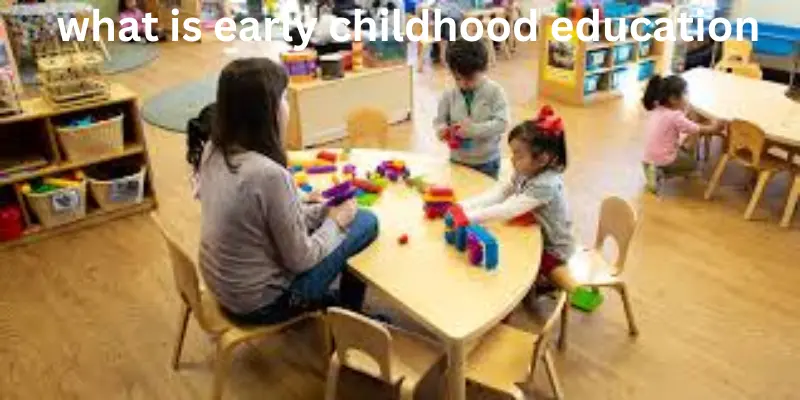
Early childhood education is the foundation of a child’s development. It supports cognitive, emotional, social, and physical growth during the most critical years of life. By understanding what is early childhood education, we can better appreciate its role in shaping successful and well-rounded individuals.
Conclusion
In conclusion, what is early childhood education is more than just a phase of learning—it is the cornerstone of a child’s future. From developing essential skills to fostering creativity and confidence, early childhood education plays a transformative role.
Investing in early childhood education benefits not only individuals but also society as a whole. By prioritizing quality education during these formative years, we can create a brighter, more successful future for generations to come.
Please Write Your Comments