Early Childhood Education: Learning, Development, and Lifelong Success
Updated: 24/03/2026
75
Early childhood education is one of the most critical foundations of human development. From birth to age eight, children experience rapid brain growth, emotional development, and social learning that shapes their future academic performance, behavior, and overall well-being. Research consistently shows that high-quality early childhood education programs lead to better learning outcomes, stronger social skills, and increased economic opportunities later in life. Here we will learn What is Early Childhood Education
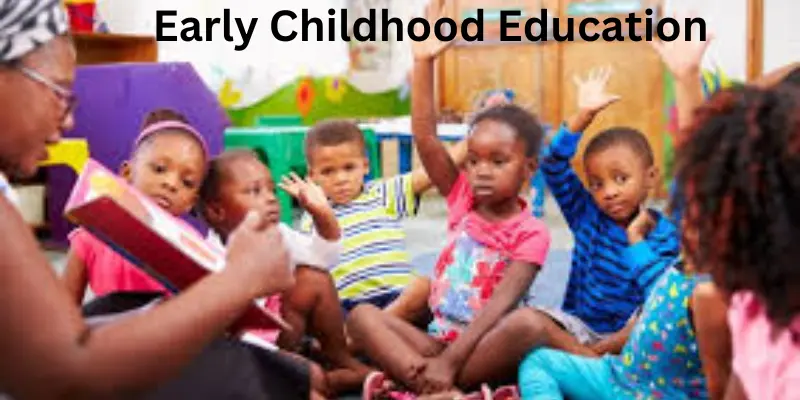
In today’s fast-changing world, parents, educators, and policymakers increasingly recognize the importance of early learning experiences. This comprehensive guide explores what early childhood education is, why it matters, its benefits, teaching approaches, curriculum components, challenges, and best practices—helping families and educators make informed decisions that support lifelong success.
History of Early Childhood Education
The history of early childhood education dates back several centuries and has evolved alongside changing views about childhood, learning, and child development. In early societies, education of young children took place informally within families and communities, where parents and elders taught basic life skills, values, and traditions.
During the 17th and 18th centuries, philosophers such as John Locke and Jean-Jacques Rousseau emphasized the importance of early experiences in shaping a child’s character and learning. Their ideas laid the foundation for structured early education by highlighting that children learn best through experience and interaction with their environment.
In the 19th century, formal early childhood education programs began to emerge. Friedrich Froebel introduced the concept of kindergarten, focusing on play, creativity, and social interaction as essential elements of early learning. His approach recognized childhood as a unique and valuable stage of development rather than merely preparation for adulthood.
The 20th century saw significant growth in early childhood education, influenced by research in psychology and child development. Educational approaches such as Montessori and progressive education emphasized child-centered learning, independence, and hands-on experiences. Governments also began to recognize early education as a public responsibility, leading to the expansion of preschool and early intervention programs.
Today, early childhood education is supported by scientific research that confirms its long-term benefits. Modern programs focus on holistic development, inclusivity, school readiness, and collaboration between families and educators.
What Is Early Childhood Education?
Early childhood education (ECE) refers to structured and unstructured educational programs designed for children from birth through approximately eight years old. This period includes infancy, toddlerhood, preschool, kindergarten, and early primary grades.
Key Characteristics of Early Childhood Education
- Focus on holistic child development
- Emphasis on play-based learning
- Support for cognitive, social, emotional, and physical growth
- Developmentally appropriate teaching methods
- Safe, nurturing learning environments
ECE programs include daycare, preschool education, nursery schools, kindergarten programs, and early elementary education.
Why Early Childhood Education Is Important
The importance of early childhood education cannot be overstated. During early years, children’s brains form neural connections at a faster rate than at any other stage of life. Quality early learning experiences positively influence brain development, emotional regulation, and problem-solving abilities.
Key Reasons Early Childhood Education Matters
- Builds strong learning foundations
- Improves school readiness
- Enhances language and literacy skills
- Supports emotional and social development
- Reduces achievement gaps
- Encourages lifelong learning habits
Children who attend high-quality early childhood education programs are more likely to succeed academically and socially throughout their lives.
Brain Development in Early Childhood
Early childhood is a critical window for brain development. By age five, a child’s brain reaches nearly 90% of its adult size. Early learning experiences directly influence how the brain processes information, manages emotions, and builds memory.
How Early Education Supports Brain Growth
- Stimulates neural connections through play and exploration
- Enhances executive function and attention span
- Encourages curiosity and creativity
- Strengthens memory and critical thinking
Positive interactions with teachers and peers help children develop emotional intelligence and resilience.
Benefits of Early Childhood Education
Early childhood education plays a crucial role in shaping a child’s overall development and future success. High-quality early learning experiences during the early years provide long-lasting academic, social, emotional, and economic benefits.
1. Supports Brain Development
Early childhood education stimulates brain growth during the most critical period of development. Engaging activities, play, and interaction help form strong neural connections that support learning, memory, and problem-solving skills.
2. Improves School Readiness
Children who participate in early childhood education programs are better prepared for kindergarten. They develop basic literacy, numeracy, and classroom behavior skills, making the transition to formal schooling smoother.
3. Enhances Language and Communication Skills
Early learning environments promote vocabulary development, listening skills, and early reading and writing abilities. Children are exposed to rich language experiences that improve communication and comprehension.
4. Develops Social and Emotional Skills
Through interaction with peers and educators, children learn cooperation, sharing, empathy, and emotional regulation. These social-emotional skills are essential for building positive relationships and self-confidence.
5. Encourages Positive Learning Habits
Early childhood education helps children develop curiosity, creativity, independence, and a love for learning. These positive attitudes toward education often continue throughout life.
6. Supports Physical Development
Activities such as outdoor play, movement, and hands-on tasks improve fine and gross motor skills, coordination, and overall physical health.
7. Reduces Learning Gaps
High-quality early childhood education can help reduce achievement gaps by providing equal learning opportunities for children from diverse backgrounds.
8. Leads to Long-Term Academic Success
Research shows that children who attend early education programs are more likely to perform well academically, graduate from high school, and pursue higher education.
9. Provides Economic and Social Benefits
Early childhood education contributes to a more skilled workforce and reduced social costs in the long term. Families benefit from reliable childcare, while society benefits from improved educational outcomes.
Types of Early Childhood Education Programs
Early childhood education programs are designed to support children’s learning and development from birth through the early primary years. These programs vary in structure, age focus, and educational approach, allowing families to choose options that best meet their child’s needs.
Daycare and Childcare Centers
Daycare and childcare centers provide care and early learning experiences for infants and toddlers, typically from six weeks to three years old. These programs focus on safety, emotional bonding, early socialization, and basic developmental milestones while supporting working families.
Preschool Programs
Preschool education is designed for children aged three to five years. These programs emphasize play-based learning, early literacy, numeracy, creativity, and social skills. Preschool helps children develop independence and prepares them for kindergarten.
Pre-Kindergarten (Pre-K) Programs
Pre-kindergarten programs are structured early learning programs for children aged four to five. They focus on school readiness by introducing foundational academic concepts, classroom routines, and social-emotional skills.
Kindergarten Programs
Kindergarten is often the first year of formal education. It bridges early childhood education and elementary school by combining play-based learning with structured academic instruction in reading, writing, and mathematics.
Home-Based Early Childhood Education
Home-based programs involve learning experiences guided by parents, caregivers, or trained educators in a home setting. These programs support individualized learning and are especially beneficial for young children who thrive in familiar environments.
Montessori Programs
Montessori programs follow a child-centered approach where children learn through self-directed activities in a prepared environment. These programs promote independence, concentration, and hands-on learning across multiple developmental areas.
Reggio Emilia–Inspired Programs
Reggio Emilia–inspired programs emphasize creativity, exploration, and collaboration. Children express learning through art, movement, language, and play, with teachers acting as co-learners and facilitators.
Special Education and Early Intervention Programs
These programs support children with developmental delays or disabilities. Early intervention focuses on individualized instruction, therapy services, and inclusive practices to help children reach their full potential.
Curriculum Components in Early Childhood Education
A strong early childhood curriculum addresses multiple developmental domains.
Core Areas of Learning
- Language and communication
- Early math and numeracy
- Science exploration
- Creative arts and music
- Social studies and emotional learning
- Physical health and motor skills
Teaching Methods in Early Childhood Education
Teaching methods in early childhood education are designed to support holistic development by addressing children’s cognitive, social, emotional, and physical needs. Effective approaches focus on how young children learn best—through play, exploration, interaction, and meaningful experiences. Below are the most widely used and research-based teaching methods in early childhood education.
Play-Based Learning
Play-based learning is the foundation of early childhood education. Through structured and unstructured play, children develop creativity, problem-solving skills, language abilities, and social interaction. Play encourages curiosity and helps children make sense of the world around them in a natural and enjoyable way.
Child-Centered Learning
This method focuses on the individual needs, interests, and learning pace of each child. Teachers act as facilitators rather than instructors, allowing children to take an active role in their learning. Child-centered learning promotes independence, confidence, and motivation.
Inquiry-Based Learning
Inquiry-based learning encourages children to ask questions, explore ideas, and discover answers through hands-on activities. This approach strengthens critical thinking skills and helps children develop a deeper understanding of concepts through exploration and experimentation.
Experiential Learning
Experiential learning involves learning through direct experience, such as outdoor activities, role-playing, and real-life problem solving. Children learn best when they can connect lessons to real-world situations, making learning more meaningful and memorable.
Montessori Method
The Montessori approach emphasizes self-directed learning in a carefully prepared environment. Children choose activities based on their interests while teachers guide and observe. This method supports independence, concentration, and responsibility from an early age.
Reggio Emilia Approach
The Reggio Emilia approach views children as capable learners who express themselves through multiple forms such as art, movement, and language. Teachers collaborate with children and families to design learning experiences that build creativity and social collaboration.
Collaborative Learning
Collaborative learning encourages children to work together in small groups. This method helps develop communication skills, teamwork, empathy, and respect for others’ ideas, which are essential social skills for early development.
Use of Technology (Age-Appropriate)
When used thoughtfully, educational technology can enhance early learning. Interactive apps, digital storytelling, and guided screen time can support literacy and numeracy while maintaining a balance with hands-on activities.
Role of Teachers in Early Childhood Education
Early childhood educators play a vital role in shaping learning experiences and emotional development.
Responsibilities of Early Childhood Educators
- Create safe, inclusive environments
- Observe and assess child development
- Foster positive relationships
- Encourage curiosity and independence
- Collaborate with parents and caregivers
Teacher training and professional development are essential for maintaining quality early education programs.
Role of Parents and Families
Family involvement is a cornerstone of effective early childhood education.
How Parents Support Early Learning
- Reading regularly with children
- Encouraging curiosity and questions
- Providing structured routines
- Communicating with educators
- Supporting emotional development at home
Strong partnerships between parents and educators improve learning outcomes.
Importance of Inclusive Early Childhood Education
Inclusive early childhood education ensures that all children, including those with special needs or diverse backgrounds, receive equal learning opportunities.
Benefits of Inclusive Education
- Promotes diversity and acceptance
- Supports children with developmental delays
- Encourages empathy and social understanding
- Improves overall classroom engagement
Challenges in Early Childhood Education
Despite its importance, early childhood education faces several challenges.
Common Challenges
- Limited access to quality programs
- High costs for families
- Teacher shortages and low wages
- Inconsistent curriculum standards
- Lack of parental awareness
Addressing these challenges requires collaboration between families, educators, and policymakers.
Technology in Early Childhood Education
When used appropriately, technology can support early learning.
Best Practices for Educational Technology
- Use age-appropriate digital tools
- Balance screen time with hands-on play
- Focus on interactive and educational content
- Encourage guided use with adults
Technology should enhance—not replace—human interaction.
Best Practices for High-Quality Early Childhood Education
- Developmentally appropriate curriculum
- Qualified and trained educators
- Safe and stimulating learning environments
- Low student-to-teacher ratios
- Family engagement and communication
- Continuous assessment and improvement
Future of Early Childhood Education
The future of early childhood education focuses on innovation, accessibility, and inclusivity. Emphasis is growing on social-emotional learning, mental health support, and personalized learning approaches.
Emerging trends include:
- Blended learning models
- Expanded early intervention programs
- Stronger policy support
- Increased research-based practices
Pros and Cons of Early Childhood Education
Pros of Early Childhood Education
1. Strong Foundation for Learning
Early childhood education helps children develop basic academic skills, curiosity, and positive learning habits that support future educational success.
2. Supports Social and Emotional Development
Children learn how to interact with peers, manage emotions, share, and cooperate, which builds confidence and emotional intelligence.
3. Enhances Cognitive and Language Skills
Exposure to structured activities improves thinking, problem-solving, vocabulary, and early literacy skills.
4. Improves School Readiness
Children become familiar with routines, classroom expectations, and group learning, making the transition to school easier.
5. Supports Working Families
Early education programs provide reliable childcare, allowing parents to work while ensuring children are in a safe, learning-focused environment.
6. Long-Term Societal Benefits
Early childhood education contributes to better academic outcomes, higher employment rates, and reduced social challenges later in life.
Cons of Early Childhood Education
1. High Cost for Families
Quality early childhood education programs can be expensive and may not be affordable for all families.
2. Unequal Access to Quality Programs
Not all communities have access to well-trained educators or high-quality facilities, leading to disparities in learning outcomes.
3. Potential for Academic Pressure
If programs are overly academic and not developmentally appropriate, children may experience stress or reduced enjoyment of learning.
4. Separation Anxiety in Young Children
Some children may struggle emotionally when separated from parents, especially at a very young age.
5. Variability in Program Quality
The effectiveness of early childhood education depends heavily on teacher training, curriculum, and learning environment.
FAQs on Early Childhood Education
1. What is early childhood education?
Early childhood education refers to learning programs and experiences designed for children from birth to around eight years old. It focuses on cognitive, social, emotional, and physical development during the most critical years of brain growth.
2. Why is early childhood education important?
Early childhood education is important because it builds a strong foundation for lifelong learning, improves school readiness, supports brain development, and enhances social and emotional skills that influence future academic and life success.
3. What age group does early childhood education cover?
Early childhood education typically covers children from infancy (birth) through early primary years, usually up to age eight. This includes daycare, preschool, kindergarten, and early elementary education.
4. How does early childhood education benefit brain development?
High-quality early childhood education stimulates neural connections through play, language exposure, and problem-solving activities, helping children develop memory, attention, emotional regulation, and critical thinking skills.
5. What skills do children learn in early childhood education?
Children develop early literacy and numeracy skills, communication abilities, social interaction skills, emotional control, creativity, and motor skills through structured and play-based learning experiences.
6. How can parents support early childhood education at home?
Parents can support early childhood education by reading daily, encouraging play-based learning, maintaining routines, engaging in conversations, and collaborating with educators to reinforce learning at home.
Summary: Early Childhood Education
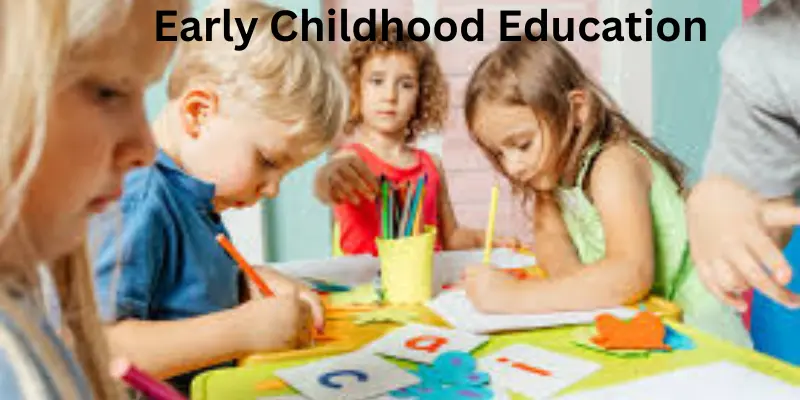
Early childhood education plays a vital role in shaping a child’s overall development. It supports brain growth, early learning, social-emotional skills, and school readiness during the most formative years of life. Through play-based and developmentally appropriate practices, children gain essential skills that prepare them for academic achievement and lifelong success. Strong collaboration between educators, families, and communities further enhances the impact of early learning experiences.
Conclusion: Early Childhood Education
Early childhood education is a powerful investment in both individual children and society as a whole. By providing nurturing, inclusive, and high-quality early learning environments, we give children the tools they need to thrive academically, socially, and emotionally. Prioritizing early childhood education ensures a stronger foundation for lifelong learning, improved outcomes, and a brighter
Please Write Your Comments