Definition Of Psychology: Meaning, Scope, Branches, And Importance.
Updated: 15/12/2025
75
Introduction
The Definition Of Psychology is central to understanding human behavior, thoughts, emotions, and mental processes. Psychology is not just about mental illness or therapy; it is a broad scientific discipline that explores how humans think, feel, learn, behave, and interact with their environment. From everyday decision-making to complex social interactions, psychology plays a vital role in explaining why people behave the way they do.
In modern society, psychology influences education, healthcare, business, marketing, sports, technology, and even artificial intelligence. By studying psychology, individuals gain insight into human nature, improve communication skills, and develop strategies to enhance mental well-being and productivity. This article provides a comprehensive explanation of the definition of psychology, its history, scope, branches, methods, importance, and real-life applications, following EEAT (Experience, Expertise, Authoritativeness, and Trustworthiness) principles, and what is psychology
What is the Definition of Psychology?
The Definition Of Psychology can be stated as:
Psychology is the scientific study of human behavior and mental processes, including thoughts, emotions, perceptions, learning, motivation, and personality.
The word psychology is derived from two Greek words:
- Psyche – meaning soul or mind
- Logos – meaning study or knowledge
Thus, psychology literally means the study of the mind. However, modern psychology goes beyond philosophical ideas of the soul and focuses on observable behavior and measurable mental processes using scientific methods.
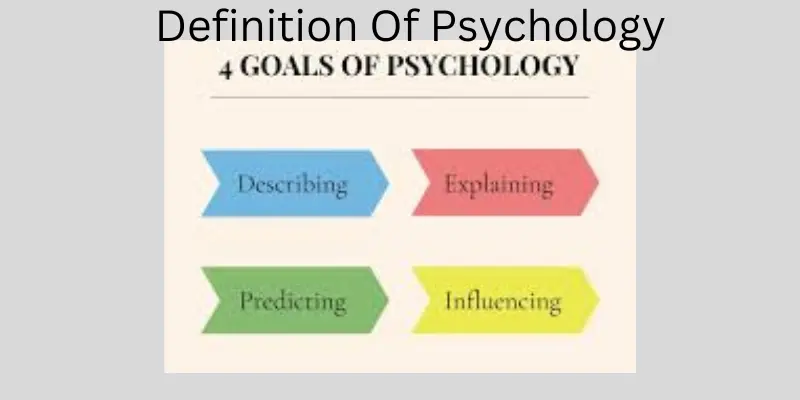
Psychology aims to:
- Understand behavior
- Explain mental processes
- Predict future actions
- Control or modify behavior for positive outcomes
How Psychology Works
Psychology works by scientifically studying human behavior and mental processes to understand how people think, feel, learn, and act. It follows a systematic and evidence-based approach rather than assumptions or personal opinions.
First, psychology begins with observation and research. Psychologists observe behavior in natural or controlled settings and collect data using research methods such as experiments, surveys, case studies, interviews, and psychological tests. This data helps identify patterns in behavior and mental functioning.
Second, psychology focuses on analysis and explanation. Psychologists analyze collected data to understand why people behave in certain ways. They examine factors such as biological influences (brain and nervous system), psychological factors (thoughts, emotions, personality), and social influences (culture, family, environment).
Third, psychology works through theories and models. Psychological theories provide structured explanations for behavior and mental processes. These theories are continuously tested, refined, or revised based on research findings, ensuring scientific accuracy and reliability.
Finally, psychology works through application and intervention. Psychological knowledge is applied in real-life situations such as therapy, counseling, education, workplace management, sports, and healthcare. Techniques like cognitive-behavioral therapy, behavior modification, motivation strategies, and stress management help improve mental health and behavior.
In summary, psychology works by observing behavior, conducting scientific research, analyzing mental processes, and applying proven methods to understand and improve human life.
Benefits Of Psychology
Psychology offers numerous benefits by helping individuals and society understand human behavior, thoughts, and emotions. One of the primary benefits of psychology is self-understanding. It enables people to recognize their emotions, strengths, weaknesses, motivations, and personality traits, which leads to better personal growth and self-control.
Another major benefit of psychology is its role in mental health and emotional well-being. Psychology helps in identifying, diagnosing, and treating mental health issues such as stress, anxiety, depression, trauma, and behavioral disorders. Through counseling, therapy, and psychological interventions, individuals learn coping strategies to manage emotional challenges effectively.
Psychology also improves interpersonal relationships. By understanding communication styles, emotions, and social behavior, people can build healthier relationships at home, in the workplace, and in society. It promotes empathy, conflict resolution, and emotional intelligence.
In education, psychology enhances learning and academic performance. Educational psychology helps teachers understand student behavior, learning difficulties, motivation, and intelligence differences, leading to improved teaching methods and better learning outcomes.
In professional and organizational settings, psychology boosts workplace efficiency and productivity. Industrial and organizational psychology helps in employee motivation, leadership development, stress management, and job satisfaction, benefiting both employers and employees.
Overall, psychology contributes to personal development, social harmony, improved decision-making, and a better quality of life, making it valuable in almost every aspect of human life.
Psychology as a Science
One of the most important aspects of the definition of psychology is that it is a science. Psychology uses systematic observation, experimentation, data collection, and analysis to study behavior and mental processes.
Key Characteristics of Psychology as a Science
- Uses empirical evidence
- Relies on research and experimentation
- Applies scientific methods
- Produces verifiable and reliable results
This scientific approach differentiates psychology from pseudosciences and myths related to human behavior.
Historical Background Of Psychology
Understanding the definition of psychology requires a look at its historical development.
Early Philosophical Roots
Psychology originated from philosophy. Ancient thinkers such as Plato and Aristotle explored questions related to the mind, memory, emotions, and perception.
Emergence as an Independent Discipline
Psychology became a separate scientific discipline in 1879, when Wilhelm Wundt established the first psychology laboratory in Leipzig, Germany. He is often referred to as the father of psychology.
Major Schools of Thought
Over time, several schools of thought contributed to shaping the definition of psychology:
- Structuralism – Focused on the structure of consciousness
- Functionalism – Studied the functions of mental processes
- Behaviorism – Emphasized observable behavior
- Psychoanalysis – Explored unconscious processes
- Humanistic Psychology – Focused on self-growth and free will
- Cognitive Psychology – Studied thinking, memory, and problem-solving
Scope of Psychology
The scope of psychology is vast and continuously expanding. It covers almost every aspect of human life.
Areas Covered Under Psychology
- Human behavior and emotions
- Mental health and well-being
- Learning and memory
- Personality and intelligence
- Social interactions and relationships
- Workplace behavior and productivity
The broad scope makes psychology relevant in both personal and professional settings.
Branches of Psychology
To fully understand the definition of psychology, it is essential to explore its major branches.
Clinical Psychology
Focuses on diagnosing and treating mental disorders, emotional problems, and psychological distress.
Educational Psychology
Studies learning processes, teaching methods, student motivation, and academic performance.
Social Psychology
Examines how individuals behave in social situations and how society influences behavior.
Developmental Psychology
Explores human growth and development across the lifespan, from infancy to old age.
Cognitive Psychology
Deals with mental processes such as thinking, memory, perception, language, and problem-solving.
Industrial And Organizational Psychology
Applies psychological principles to workplace behavior, leadership, motivation, and productivity.
Health Psychology
Studies how psychological factors affect physical health and illness.
Methods Used in Psychology
Psychologists use various research methods to study behavior and mental processes.
Common Psychological Research Methods
- Observation method
- Experimental method
- Case study method
- Survey and questionnaire method
- Psychological testing
These methods ensure accuracy, objectivity, and reliability in psychological research.
Importance of Psychology in Daily Life
The definition of psychology becomes more meaningful when we understand its practical importance.
Role Of Psychology In Everyday Life
- Improves self-awareness and emotional intelligence
- Enhances communication and relationships
- Helps manage stress and mental health
- Improves decision-making and problem-solving
- Promotes personal growth and motivation
Psychology provides tools to understand oneself and others better.
Psychology and Mental Health
Psychology plays a crucial role in maintaining mental health and emotional well-being.
Contribution to Mental Health
- Diagnosis of mental disorders
- Psychotherapy and counseling
- Stress and anxiety management
- Emotional regulation techniques
Mental health awareness has increased significantly due to advancements in psychological research.
Psychology in Education and Career Development
Educational psychology helps improve teaching strategies and learning outcomes. Career counseling and vocational psychology assist individuals in choosing suitable career paths based on interests, abilities, and personality traits.
Psychology in Modern Society
In today’s digital age, psychology is applied in:
- Marketing and consumer behavior
- Artificial intelligence and user experience
- Sports performance and coaching
- Criminal investigation and forensic analysis
The relevance of psychology continues to grow with technological and social advancements.
Ethical Principles in Psychology
Psychology follows strict ethical guidelines to protect individuals involved in research and therapy.
Core Ethical Principles
- Confidentiality
- Informed consent
- Professional competence
- Respect for human dignity
Ethics ensure trustworthiness and credibility in psychological practice.
Frequently Asked Questions (FAQs)
What is the Simple Definition Of Psychology?
Psychology is the scientific study of human behavior and mental processes.
Who is the Father of Psychology?
Wilhelm Wundt is considered the father of modern psychology.
Why is Psychology Important?
Psychology helps understand behavior, improve mental health, and enhance personal and social functioning.
What are the Main Branches Of Psychology?
Major branches include clinical, educational, social, cognitive, developmental, and industrial psychology.
Is Psychology a Science or an Art?
Psychology is primarily a science, as it uses scientific methods, but it also involves applied skills.
How Does Psychology Help in Daily Life?
Psychology improves self-awareness, relationships, stress management, and decision-making skills.
Summary
The definition of psychology encompasses the scientific study of behavior and mental processes, offering valuable insights into human nature. From its philosophical origins to modern scientific applications, psychology has evolved into a diverse and influential field. Its principles guide personal development, mental health care, education, workplace efficiency, and social harmony.
Conclusion
In conclusion, the Definition Of Psychology highlights its role as a scientific and practical discipline dedicated to understanding the human mind and behavior. Psychology helps individuals lead healthier, more productive, and more meaningful lives. As society continues to evolve, the importance of psychology will only increase, making it an essential field of study for understanding ourselves and the world around us.
Please Write Your Comments