Healthy Habits for Kids: A Complete Guide for Parents
Updated: 18/02/2026
110
Developing healthy habits for kids is one of the most valuable gifts parents can offer their children. Childhood is a critical period for physical growth, emotional stability, cognitive development, and lifelong behavior formation. The habits children learn early—what they eat, how active they are, how they sleep, and how they manage emotions—often shape their health outcomes well into adulthood.
In today’s fast-paced digital world, children face increasing challenges such as sedentary lifestyles, excessive screen time, poor dietary choices, and rising stress levels. That is why teaching healthy daily habits for kids is no longer optional—it is essential.
This comprehensive guide explains why healthy habits are important for children, which habits matter most, and how parents can build healthy routines for kids at home in practical, age-appropriate ways.
What Are Healthy Habits for Kids?
Healthy habits for kids are positive daily behaviors that support a child’s physical health, mental well-being, emotional balance, and social development. These habits are learned through consistency, role modeling, and supportive environments.
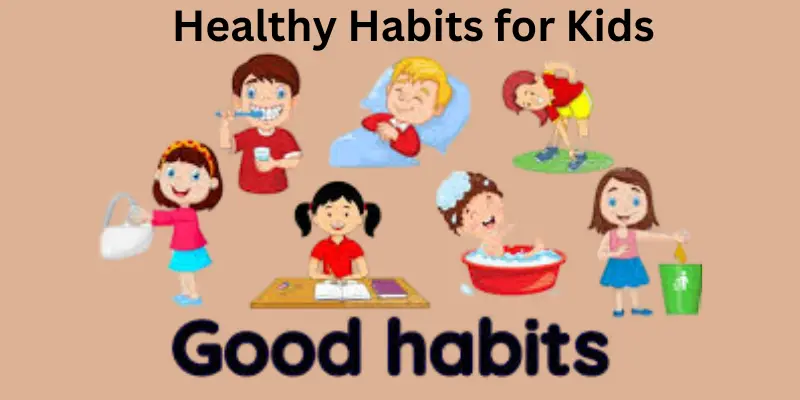
Healthy habits include:
- Eating a balanced diet
- Regular physical activity
- Adequate sleep routines
- Good personal hygiene
- Healthy screen-time management
- Emotional regulation and mindfulness
- Social skills and positive behavior
When practiced consistently, these habits help children grow into healthy, confident, and resilient adults.
Why Are Healthy Habits Important for Children?
Teaching good habits to kids during early childhood lays the foundation for lifelong health. Research consistently shows that behaviors formed in childhood often persist into adulthood.
Key Benefits of Healthy Habits for Kids
- Stronger immune system
- Healthy weight maintenance
- Improved focus and academic performance
- Better emotional control
- Reduced risk of chronic diseases
- Enhanced self-confidence and discipline
Children who follow healthy routines are more likely to develop self-control, responsibility, and positive decision-making skills.
Healthy Eating Habits for Kids
Importance of Nutrition in Childhood
Nutrition plays a central role in children’s growth, brain development, and immunity. Establishing healthy eating habits for kids helps prevent obesity, nutrient deficiencies, and lifestyle diseases.
Key Healthy Eating Habits
- Eating regular meals and snacks
- Including fruits and vegetables daily
- Drinking enough water
- Limiting sugar, salt, and processed foods
- Practicing mindful eating
Balanced Diet for Kids
A healthy plate for children should include:
- Fruits and vegetables (vitamins and fiber)
- Whole grains (energy and digestion)
- Protein sources (growth and muscle development)
- Dairy or alternatives (bone health)
- Healthy fats (brain development)
Tips for Parents
- Involve kids in meal planning
- Offer variety without pressure
- Avoid using food as a reward
- Be a role model for healthy eating
Physical Activity and Exercise Habits for Kids
Why Physical Activity Matters
Regular movement supports muscle strength, coordination, heart health, and emotional well-being. Active children are less likely to develop obesity and anxiety.
Recommended Physical Activity
Children should engage in at least:
- 60 minutes of physical activity daily
Examples of Healthy Exercise Habits
- Outdoor play
- Cycling or walking
- Sports and games
- Dancing or skipping
- Yoga for kids
Reducing Sedentary Behavior
- Encourage active play instead of screen time
- Create family activity routines
- Limit prolonged sitting
Healthy Sleep Habits for Kids
Importance of Sleep in Child Development
Sleep is essential for brain growth, emotional regulation, memory, and immunity. Poor sleep habits can affect learning, behavior, and mood.
Recommended Sleep Duration
- Preschoolers: 10–13 hours
- School-age children: 9–12 hours
- Teens: 8–10 hours
Good Sleep Habits for Kids
- Fixed bedtime routine
- No screens before bed
- Calm sleep environment
- Consistent sleep schedule
Healthy sleep routines help children feel energized, focused, and emotionally balanced.
Personal Hygiene Habits for Kids
Teaching good hygiene habits for kids promotes health, confidence, and disease prevention.
Essential Hygiene Habits
- Washing hands properly
- Brushing teeth twice a day
- Bathing regularly
- Nail trimming
- Wearing clean clothes
How to Teach Hygiene
- Use fun visuals and reminders
- Practice together
- Explain “why” in simple terms
- Praise consistency
Mental and Emotional Healthy Habits for Kids
Emotional Well-Being in Children
Mental health is just as important as physical health. Teaching kids emotional habits helps them handle stress, frustration, and social challenges.
Healthy Emotional Habits
- Expressing feelings openly
- Practicing gratitude
- Learning empathy
- Developing self-confidence
- Problem-solving skills
Mindfulness for Kids
- Deep breathing exercises
- Quiet reflection time
- Positive affirmations
- Storytelling and journaling
Children who develop emotional intelligence are better equipped to handle life challenges.
Healthy Screen Time Habits for Kids
Impact of Excessive Screen Time
Too much screen exposure can affect:
- Sleep quality
- Attention span
- Physical activity
- Social skills
Healthy Screen Time Guidelines
- Set daily screen limits
- Avoid screens during meals
- No screens before bedtime
- Encourage offline hobbies
Positive Digital Habits
- Educational content only
- Parental supervision
- Balanced screen-free routines
Social and Behavioral Healthy Habits
Healthy habits also shape a child’s character and social development.
Positive Social Habits
- Respecting others
- Sharing and cooperation
- Listening skills
- Honesty and responsibility
Behavioral Habits to Encourage
- Following routines
- Time management
- Helping at home
- Making healthy choices
Role of Parents in Building Healthy Habits
Parents play the most influential role in shaping children’s habits and behaviors.
How Parents Can Help
- Lead by example
- Be consistent
- Offer encouragement
- Create structured routines
- Avoid punishment-based learning
Children learn best when healthy habits are modeled, not forced.
Healthy Habits for Kids at Different Ages
Toddlers (1–3 Years)
- Simple routines
- Healthy finger foods
- Sleep consistency
- Basic hygiene
Preschoolers (3–5 Years)
- Structured play
- Emotional expression
- Independent hygiene
- Early responsibility
School-Age Kids (6–12 Years)
- Balanced diet awareness
- Organized schedules
- Physical fitness
- Social skills
Teenagers
- Mental health support
- Healthy independence
- Time management
- Responsible screen use
Common Challenges and Solutions
Picky Eating
- Offer choices
- Avoid pressure
- Reintroduce foods
Lack of Motivation
- Set achievable goals
- Use positive reinforcement
- Make habits fun
Busy Schedules
- Plan ahead
- Keep routines flexible
- Prioritize consistency over perfection
Long-Term Impact of Healthy Habits for Kids
Children who grow up with healthy habits are more likely to:
- Maintain healthy weight
- Perform better academically
- Develop emotional resilience
- Avoid chronic illnesses
- Lead balanced adult lives
Healthy habits are not short-term rules—they are lifelong skills.
Pros & Cons of Healthy Habits for Kids
Pros of Healthy Habits for Kids
| Aspect | Benefits of Healthy Habits |
|---|---|
| Physical Health | Improves immunity, supports proper growth, and maintains a healthy weight |
| Mental Health | Reduces stress, anxiety, and improves emotional regulation |
| Brain Development | Enhances memory, focus, learning ability, and academic performance |
| Behavior & Discipline | Encourages self-control, responsibility, and positive behavior |
| Social Skills | Builds confidence, empathy, cooperation, and communication skills |
| Long-Term Wellness | Lowers risk of obesity, diabetes, heart disease, and lifestyle disorders |
| Sleep Quality | Promotes better sleep patterns and daytime energy |
| Self-Esteem | Helps children feel confident, capable, and independent |
Cons / Challenges of Building Healthy Habits for Kids
| Challenge | Explanation |
|---|---|
| Resistance to Change | Children may resist new routines or healthy foods initially |
| Time Constraints | Busy family schedules can make consistency difficult |
| Screen Addiction | Excessive screen exposure can disrupt healthy routines |
| Peer Influence | Unhealthy habits from peers may impact children’s behavior |
| Parental Inconsistency | Lack of role modeling can weaken habit formation |
| Short-Term Effort | Results take time and patience, not instant outcomes |
Note: These challenges are temporary and manageable with consistency, patience, and positive reinforcement.
FAQs: Healthy Habits for Kids
1. What are healthy habits for kids?
Healthy habits for kids are positive daily behaviors that support physical health, emotional well-being, mental development, and social skills. These include healthy eating, regular exercise, proper sleep, good hygiene, emotional expression, and limited screen time.
2. Why are healthy habits important for children?
Healthy habits are important because they shape a child’s growth, immunity, learning ability, and emotional stability. Habits developed in childhood often continue into adulthood, reducing the risk of chronic diseases and unhealthy lifestyles.
3. How can parents teach healthy habits to kids?
Parents can teach healthy habits by setting routines, being good role models, encouraging consistency, offering positive reinforcement, and creating a supportive home environment rather than using force or punishment.
4. What are the most important healthy habits for kids?
The most important healthy habits for kids include balanced nutrition, daily physical activity, adequate sleep, proper hygiene, emotional awareness, limited screen time, and positive social behavior.
5. At what age should healthy habits be introduced to kids?
Healthy habits should be introduced as early as infancy and toddlerhood. Early exposure helps children naturally adopt routines related to eating, sleeping, hygiene, and emotional regulation.
6. How does screen time affect healthy habits in kids?
Excessive screen time can negatively impact sleep, physical activity, attention span, and social skills. Managing screen time encourages healthier routines, better focus, and improved emotional well-being.
Summary: Healthy Habits for Kids
Healthy habits for kids are the foundation of lifelong physical, emotional, and mental well-being. From balanced nutrition and regular physical activity to proper sleep, hygiene, and emotional care, these habits help children grow into confident, healthy, and responsible adults.
Developing healthy routines during childhood improves immunity, academic performance, behavior, and emotional resilience. Although challenges such as picky eating, screen dependency, and busy schedules may arise, consistent parenting, positive role modeling, and supportive environments make habit-building achievable.
Ultimately, healthy habits are not about perfection but about small, consistent daily actions. When parents encourage and practice these habits alongside their children, they create a nurturing pathway toward a healthier and happier future.
Conclusion: Building a Healthy Future for Kids
Teaching healthy habits for kids is a gradual and rewarding process. Small daily actions—healthy meals, active play, quality sleep, emotional support—add up to significant lifelong benefits.
Parents do not need to be perfect. What matters most is consistency, patience, and positive role modeling. By creating supportive environments and nurturing routines, families can raise children who are not only physically healthy but also emotionally strong, confident, and resilient.
Healthy habits learned today shape the strong, successful adults of tomorrow.
Please Write Your Comments