Toddler Milestones: Key Development Stages, Signs, & Early Childhood
Updated: 14/02/2026
76
Toddler milestones refer to crucial developmental achievements that typically appear between 12 and 36 months of age. These milestones represent progress in speech, movement, problem-solving, emotional expression, and social interaction. Pediatric specialists, early childhood educators, and developmental psychologists use milestones as benchmarks to monitor healthy childhood progression.
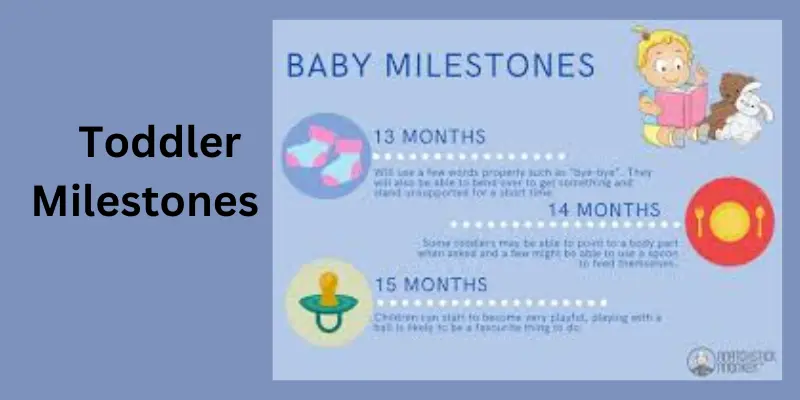
Milestones vary widely across cultures and individuals, yet they offer helpful guidelines for identifying developmental strengths and areas where additional support may be needed. High-volume search phrases such as “toddler developmental milestones,” “what milestones should toddlers meet,” and “12–36 month development chart” highlight strong parenting and education interest in this domain.
Toddler Age Range & Milestone Categories (1–3 Years)
The toddler age spans 12–36 months, which experts divide into two major sub-stages:
- Early Toddlerhood (12–24 months)
- Late Toddlerhood (24–36 months)
During this period, children acquire mobility, independence, emotional awareness, early language, and problem-solving skills. Unlike infancy — which focuses on sensory exploration — toddlerhood represents a shift toward purposeful action and symbolic understanding of the world.
Types of Toddler Milestones
Developmental science typically groups toddler milestones into several core categories:
1. Motor Milestones
Toddler motor development includes both gross and fine motor progress:
- walking, running, climbing, balancing
- jumping, kicking, and throwing
- grasping, stacking blocks, spoon use, scribbling
Motor skills enable autonomy, exploration, and physical confidence.
2. Cognitive Milestones
Cognition grows through experimentation, play, and imitation:
- object categorization
- early problem-solving
- memory expansion
- shape, color, and number recognition
- symbolic and pretend play
Piaget identifies this period as the shift from sensorimotor to preoperational thought.
3. Language Milestones
Language milestones during toddlerhood are highly noticeable:
- rapid vocabulary growth (50 → 300+ words)
- two-word combinations
- early sentences
- increased comprehension
- question asking and labeling
This stage is often called the language explosion.
4. Social & Emotional Milestones
Toddlers develop foundational social behaviors:
- empathy and affection
- parallel → associative play
- frustration expression
- tantrums due to emotional immaturity
- early self-identity (“mine,” “me,” “no”)
These skills form the basis for self-regulation and later social functioning.
Common Milestones Between 12–24 Months
Examples of early toddler milestones include:
walking independently
saying first recognizable words
following simple commands
feeding self with hands
early pretend play
recognizing familiar names and objects
By 24 months, many toddlers combine words, climb furniture, and show curiosity about routines and daily activities.
Milestones Between 24–36 Months
Late toddlerhood brings advanced skills:
running, jumping, climbing stairs
2–4 word sentences
early counting and naming colors
drawing circles or scribbles
parallel to associative peer play
early problem-solving and memory recall
These achievements predict preschool readiness, early academics, and social participation.
Benefits of Toddler Milestones
The benefits of toddler milestones extend across cognitive, linguistic, emotional, and motor development domains, supporting long-term growth and school readiness. As toddlers begin to walk, talk, imitate, and problem-solve, they strengthen neural pathways responsible for memory, attention, and early executive functioning. Social benefits emerge as children learn sharing, cooperation, and regulation during play-based interactions. These developmental gains help build confidence, independence, and foundational learning skills essential for preschool transitions.
Affects of Toddler Milestones
The affects of toddler milestones influence how toddlers perceive, interpret, and respond to their environment. Rapid language development enhances communication and reduces frustration, while emotional maturity introduces empathy, curiosity, and early self-regulation. Motor affects include improved coordination, balance, and fine-motor precision used for drawing, feeding, or dressing. These cumulative affects shape social behavior, personality traits, and early identity formation, making the toddler stage crucial for overall developmental trajectories.
Comparison with Infancy or Preschool
Compared to infancy, where milestones focus on sensory responses, bonding, reflexes, and basic motor control, toddler milestones highlight autonomy, expressive language, symbolic play, walking, and early problem-solving. Meanwhile, preschool milestones build on toddler achievements, shifting toward structured learning, advanced socialization, vocabulary expansion, emotional regulation, and early academic concepts such as colors, shapes, and counting. This progression illustrates a continuum from sensory exploration (infant) to independence and communication (toddler) and then to early learning and peer interaction (preschool).
Why Toddler Milestones Matter
Tracking milestones helps:
assess developmental progress
identify potential delays
support caregivers through education
build strong early learning environments
improve clinical screening and interventions.
Pros & Cons of Using Milestones for Toddler Development
| Pros | Cons |
|---|---|
| Identifies developmental strengths | May create comparison stress |
| Supports early intervention | Milestones vary widely |
| Guides learning & parenting | Can trigger unnecessary worry |
| Helps pediatric assessments | Cultural differences impact timing |
| Encourages structured play | Online info can overwhelm parents |
| Improves preschool readiness | Labels can feel restrictive |
3-Way Comparison Chart: Infant vs Toddler vs Preschool Milestones
| Stage | Age Range | Major Milestones | Developmental Focus |
|---|---|---|---|
| Infant | 0–12 months | rolling, crawling, babbling, object permanence | sensory, motor, attachment |
| Toddler | 12–36 months | walking, talking, pretend play, independence | language, autonomy, social-emotional |
| Preschooler | 3–5 years | early academics, peer play, self-regulation | cognition, cooperation, learning |
This comparison aligns with search intent queries like “infant vs toddler milestones”, “toddler vs preschool milestones”, and “early childhood stages chart.”
Benefits of Toddler Milestones
The benefits of understanding toddler milestones include healthier parenting expectations, reduced anxiety, more effective communication strategies, and timely support for learning. Milestones encourage structured play, which enhances brain development and early literacy. They also signal preschool readiness, social engagement, and successful transitions into early childhood education environments.
Affects of Toddler Milestones
The affects of toddler milestones are evident across emotional, social, linguistic, and cognitive domains. Emotional affects include increased self-awareness and early empathy. Cognitive affects include symbolic thinking, memory growth, and problem-solving. Motor affects appear in improved balance, hand-eye coordination, and exploratory play. Together, these affects influence academic resilience and social competence in later childhood.
Toddler Milestones vs Infant Milestones
While infant milestones focus on sensory processing, reflexes, crawling, bonding, and early babbling, toddler milestones emphasize independence, speech, symbolic thought, and regulated behavior. Infancy builds the neurological foundation; toddlerhood activates the systems for communication, exploration, and early learning. The progression reflects a shift from observation to participation in the environment.
Toddler Milestones & Preschool Readiness
Preschool readiness milestones often emerge near the end of toddlerhood. These include:
cooperative play
early counting & naming
sentence formation
emotional signaling
following routines
task imitation
Such skills support early academics, peer learning, and structured classroom environments.
Keyword Cluster Table
| Primary KW | toddler milestones |
|---|---|
| Secondary KWs | developmental milestones, early childhood milestones, toddler development |
| LSI / Semantic | language milestones, motor milestones, cognitive milestones, age 1–3 milestones |
| Long-Tail KWs | what milestones should toddlers reach, 18 month toddler milestones, 2 year milestones, 3 year developmental milestones |
| High-Intent Phrases | toddler milestone chart, signs of developmental delay, preschool readiness milestones |
FAQs About Toddler Milestones
1. What age do toddler milestones start?
Milestones begin around 12 months when infants transition into toddlerhood.
2. Do all toddlers meet milestones at the same age?
No, timing varies widely based on genetics, environment, health, and culture.
3. What if a toddler is behind on milestones?
Delays should be discussed with pediatric or developmental specialists for assessment and support.
4. When do toddlers start talking?
Many toddlers say early words around 12–18 months and form sentences by age 2–3.
5. Are tantrums considered milestones?
Yes, tantrums reflect emotional development and emerging self-regulation skills.
6. How do milestones prepare for preschool?
Language, motor coordination, emotional awareness, and social interaction predict school readiness.
Summary
The toddler milestones between 12 and 36 months mark a transformative period in early childhood development. Through speech, movement, symbolic play, emotional expression, and independence, toddlers build the foundation for preschool learning and long-term cognitive, social, and academic success. Understanding these milestones supports caregivers, educators, and healthcare professionals in nurturing healthy development, reducing stress, and providing timely intervention when needed.
Conclusion on Toddler Milestones
The toddler milestone period represents one of the most dynamic and accelerated stages of childhood development, marked by major gains in language, mobility, cognitive skills, emotional expression, and social interaction. During these years, children transition from basic self-awareness to intentional independence, problem-solving, and early communication, laying foundations for preschool readiness and lifelong learning.
While milestone timelines vary from child to child, understanding normal developmental ranges allows caregivers, educators, and healthcare professionals to support growth, identify delays early, and create enriching environments that foster speech, motor skills, and emotional resilience. Encouragement, play-based learning, and responsive caregiving remain essential for building confidence and strengthening neural pathways during this stage.
Recognizing the importance of toddler milestones also highlights how crucial the early years are for forming identity, relationships, and behavior patterns that extend into later childhood. With appropriate support, routine, and stimulation, toddlers are equipped to transition smoothly into the preschool phase, where socialization, structured learning, and advanced communication continue to evolve.
Please Write Your Comments