Types of Psychologists: Specializations, Roles, and How to Choose the Right Expert
Updated: 17/01/2026
217
Introduction
The field of psychology is diverse, and the types of psychologists working today cover a wide range of specializations, environments, and treatment methods. While many people associate psychologists with therapy alone, their work extends into research, legal systems, corporate performance, childhood development, neurocognitive assessment, education, and sports performance. Understanding the different types of psychologists helps individuals choose the right mental health or behavioral expert for their specific needs, whether clinical, academic, organizational, or personal.

Demand for psychological services continues to rise as societies recognize the importance of mental health, workplace well-being, and preventive care. This growth also reflects improved accessibility through telehealth, insurance coverage, and online directories that help people find qualified specialists.
What Defines a Psychologist?
A psychologist is a trained professional who studies human behavior, cognition, emotions, and social interactions. They apply evidence-based psychological principles to help individuals improve mental health, manage life challenges, enhance performance, and overcome disorders. Although most psychologists cannot prescribe medication (depending on country or region), they play a key role in mental health care through therapy, assessments, diagnostics, and research.
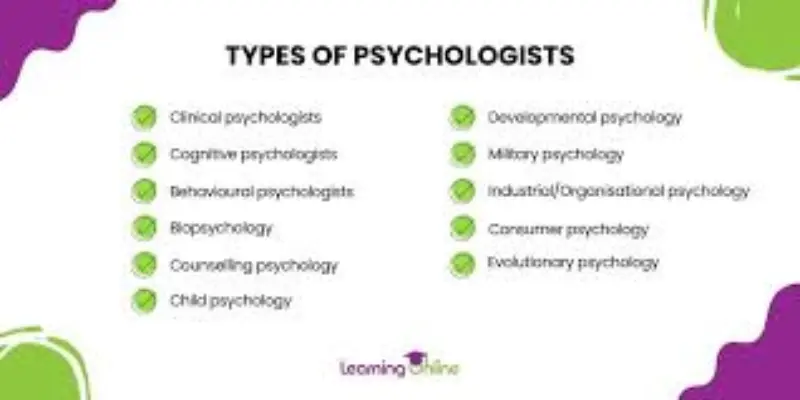
The field branches into multiple specialties, each with its own scope, methods, and populations served. Below are the most recognized and in-demand types of psychologists working today.
How Psychologists Work
Psychologists work by assessing thoughts, emotions, behaviors, and relationships through scientifically structured methods. The process often begins with an initial consultation, where the psychologist gathers information about symptoms, concerns, and personal goals. Depending on the case, they may use psychological tests, diagnostic interviews, behavioral observations, or standardized assessments to form an accurate understanding of the individual.
Once assessment is complete, psychologists create a customized treatment plan using evidence-based therapies such as CBT (Cognitive Behavioral Therapy), DBT (Dialectical Behavior Therapy), mindfulness-based therapy, trauma-focused therapy, or family/couples interventions. Sessions are typically conducted weekly, bi-weekly, or monthly, depending on intensity and treatment goals.
Throughout treatment, psychologists focus on skill-building, emotional regulation, cognitive restructuring, coping strategies, behavioral modification, and communication enhancement. They also monitor progress, update treatment plans when needed, and collaborate with other health professionals if medication or specialized support is required. The core goal is to help individuals function better, improve mental well-being, and achieve long-term resilience.
Major Types of Psychologists
1. Clinical Psychologists
Clinical psychologists diagnose and treat mental, emotional, and behavioral disorders such as depression, anxiety, trauma, bipolar disorder, PTSD, personality disorders, and chronic stress. They are considered the largest and most recognized branch of psychology.
Clinical psychologists work in hospitals, universities, rehabilitation centers, and private practice. Their treatment approach is grounded in evidence-based therapies such as Cognitive Behavioral Therapy (CBT), Dialectical Behaviors Therapy (DBT), and trauma-focused therapy.
Common Services:
- Psychological evaluations
- Treatment planning and therapy
- Diagnosis of mental disorders
- Crisis intervention
Best for clients seeking:
Professional treatment for moderate to severe psychological and emotional challenges.
2. Counselling Psychologists
Counselling psychologists help individuals cope with life transitions, stress, grief, identity development, workplace issues, and interpersonal conflicts. Unlike clinical psychologists, they often deal with less severe mental health conditions and focus on well-being, resilience, and emotional development.
Common Services:
- Relationship counselling
- Career and life coaching support
- Grief and stress management
- Emotional wellness support
Ideal for:
Individuals needing guidance, self-exploration, and emotional support rather than clinical diagnosis.
3. Child Psychologists
Child psychologists specialize in early development, behavior, learning disorders, and social functioning among children and adolescents. They often collaborate with schools, pediatricians, and families to support academic, emotional, and developmental needs.
Child psychologists may assess conditions such as ADHD, autism spectrum disorder, learning disabilities, anxiety, communication disorders, and behavioral challenges.
Common Clients:
Children, teens, and families experiencing behavioral, academic, or developmental difficulties.
4. Forensic Psychologists
Forensic psychologists apply psychological knowledge within legal and criminal justice systems. Their work includes competency evaluations, expert testimony, criminal profiling, risk assessment, and rehabilitation planning for offenders.
They interact with courts, correctional facilities, law enforcement, and attorneys, bridging the gap between psychology and law.
Most suited for:
Legal cases requiring psychological evaluation or expert opinion.
5. Industrial-Organizational (I/O) Psychologists
Industrial-organizational psychologists focus on workplace behavior, leadership, productivity, motivation, and organizational performance. They help improve hiring processes, job satisfaction, corporate culture, and staff retention.
With rising global focus on employee well-being, I/O psychologists are increasingly consulted by corporations, HR teams, and leadership boards.
Common Areas:
- Talent acquisition & training
- Leadership development
- Work-related stress solutions
- Performance optimization
- Workplace satisfaction
6. Neuropsychologists
Neuropsychologists study the relationship between brain function and behavior. Their focus includes cognitive processes such as memory, attention, language, and problem-solving. They conduct assessments for dementia, traumatic brain injury (TBI), stroke, epilepsy, and neurological conditions.
Neuropsychologists often collaborate with neurologists, neurosurgeons, and rehabilitation teams.
7. Educational Psychologists
Educational psychologists examine how individuals learn and process information. They help students overcome learning challenges, improve cognitive skills, and adjust academic frameworks.
Their research informs curriculum development, school support systems, and psychological assessments in educational settings.
8. Sports & Performance Psychologists
Sports psychologists enhance psychological resilience, focus, motivation, and performance among athletes, performers, and corporate leaders. They help individuals cope with pressure, self-esteem issues, and performance blocks.
With growing corporate demand, many performance psychologists now work outside sports in executive coaching and leadership training.
9. Health Psychologists
Health psychologists explore how psychological factors influence physical health, illness prevention, and medical treatment compliance. They support individuals dealing with chronic illness, pain management, and lifestyle diseases.
They play a crucial role in the mind-body connection, lifestyle modification, and healthcare adherence.
10. Rehabilitation Psychologists
These psychologists assist individuals recovering from injury, chronic illness, or physical disability. Their goal is to improve independence, mental resilience, and quality of life through therapy and adjustment strategies.
11. School Psychologists
School psychologists operate inside educational systems to support academic performance, behavioral development, and emotional well-being. They collaborate with teachers and parents, facilitate testing, and develop intervention plans.
12. Environmental Psychologists
Environmental psychologists study how surroundings influence behavior, emotion, and cognitive functioning. They contribute to architectural design, sustainability, and public policy planning.
How to Choose the Right Type of Psychologist
Choosing the right psychologist depends on symptoms, goals, age, and environment. Factors to compare include:
- Specialization and qualifications
- Therapy methods used
- Experience with relevant conditions
- Session format (online vs in-person)
- Cost and insurance coverage
- Communication style and rapport
Telehealth platforms now make specialist matching faster and more personalized.
Psychologist vs Other Mental Health Professionals
To avoid confusion, here is a quick comparison:
Psychologist vs Psychiatrist
- Psychiatrists are medical doctors and can prescribe medication
- Psychologists provide therapy, assessment, and behavioral treatment
Psychologist vs Therapist/Counsellor
- Therapists focus on emotional guidance
- Psychologists conduct deeper evaluations and diagnoses
Psychologist vs Life Coach
- Coaches help with goals and productivity
- Psychologists address clinical concerns and mental health disorders
FAQs
1. How many types of psychologists exist?
There are over a dozen recognized psychological specialties, including clinical, counselling, forensic, I-O, child, neuropsychology, sports, health psychology, and more.
2. Which type of psychologist helps with mental illness?
Clinical psychologists treat most mental disorders such as depression, trauma, anxiety, and personality disorders.
3. Who works with children?
Child and educational psychologists specialize in developmental, behavioral, and academic challenges.
4. Can psychologists prescribe medicine?
In most regions, psychologists cannot prescribe medication unless additional prescribing rights are granted.
5. Which psychologists work in companies?
Industrial-organizational psychologists specialize in workplace well-being and productivity.
6. How do I choose the right psychologist?
Consider specialty, experience, therapy approach, session format, coverage, and communication style.
Summary
Psychologists play a vital role in modern society by helping individuals navigate mental health challenges, personal development, emotional stress, behavioral issues, and performance barriers. With diverse specializations—from clinical and counselling psychology to forensic, educational, organizational, and sports psychology—they provide targeted services for different age groups, environments, and goals.
Today, psychologists work not only in hospitals and clinics but also in schools, corporations, courts, rehabilitation centers, research institutions, and telehealth platforms. The rise of digital mental health, workplace well-being initiatives, and destigmatisation of therapy has made psychology more accessible than ever before. As awareness continues to grow, psychologists are expected to remain central to preventive care, mental wellness, and performance optimization worldwide.
Conclusion
The psychology field is broad, with each specialty serving unique populations, environments, and needs. Understanding the types of psychologists helps individuals make informed decisions about therapy, support, and professional services. As awareness of mental health grows and telehealth expands, specialist access continues to improve globally.
Please Write Your Comments