Parenting Styles: A EEAT-Based Guide to Raise Confident, and Happy Children
Updated: 30/12/2025
149
Introduction
Parenting styles play a crucial role in shaping a child’s emotional, social, and cognitive development. Every parent uses a unique approach influenced by culture, upbringing, education, and personal beliefs. However, psychologists and child development experts have identified specific parenting styles that significantly impact children’s behavior, mental health, academic success, and future relationships.
Understanding parenting styles helps parents make informed decisions, avoid common parenting mistakes, and adopt strategies that promote healthy child development. In today’s fast-changing world—where digital exposure, academic pressure, and mental health concerns are growing—choosing the right parenting style has become more important than ever.
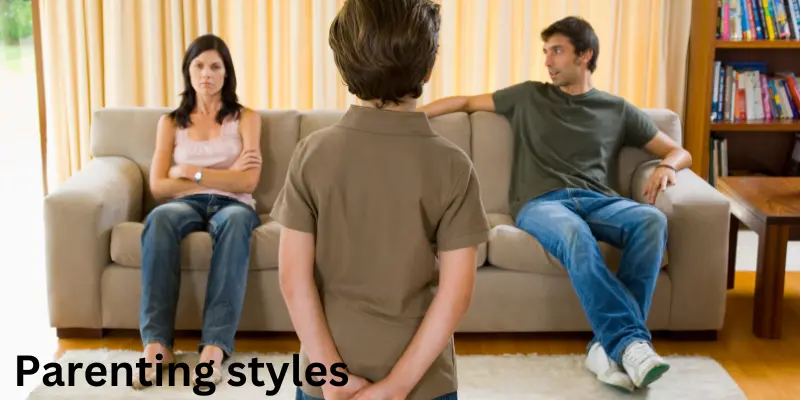
This comprehensive guide explores the types of parenting styles, their advantages and disadvantages, and how parents can adapt their approach based on their child’s age, temperament, and needs. Backed by psychological research and expert insights, this article follows EEAT (Experience, Expertise, Authoritativeness, and Trustworthiness) principles to provide reliable, practical, and actionable guidance.
What Are Parenting Styles?
Parenting styles refer to the overall strategies, attitudes, and behaviors parents use while raising their children. These styles define how parents communicate, discipline, show affection, and set expectations.
Developmental psychologist Diana Baumrind first introduced the concept of parenting styles in the 1960s. Later researchers expanded her work, identifying four main parenting styles based on two key factors:
- Responsiveness (warmth, emotional support)
- Demandingness (rules, discipline, expectations)
These dimensions form the foundation of modern parenting style theory and help explain why children raised in different environments develop distinct personality traits and behaviors.
How Parenting Style Works
Parenting style works through the daily interactions, rules, communication patterns, and emotional responses parents use while raising their children. It shapes how children understand boundaries, manage emotions, build relationships, and view themselves. A balanced parenting style provides both emotional support and clear expectations, helping children feel secure while learning responsibility. Consistent guidance, positive reinforcement, and age-appropriate discipline allow children to develop confidence, self-control, and decision-making skills. Over time, the parenting style a child experiences becomes the foundation for their behavior, mindset, and emotional well-being in adulthood.
Why Parenting Styles Matter in Child Development
Parenting styles directly influence a child’s:
- Emotional regulation
- Self-esteem and confidence
- Academic performance
- Social skills and relationships
- Decision-making and independence
- Mental health and stress management
Research consistently shows that children raised with supportive, structured parenting tend to develop better coping skills, emotional intelligence, and resilience.
Choosing an effective parenting style is not about being perfect—it’s about being consistent, empathetic, and adaptable.
The Four Main Types of Parenting Styles
1. Authoritative Parenting Style (Most Recommended)
Authoritative parenting is widely regarded as the most effective and balanced parenting style.
Key Characteristics
- High warmth and emotional support
- Clear rules and expectations
- Open communication
- Positive discipline strategies
- Encouragement of independence
Authoritative parents set boundaries but also explain the reasons behind rules. They listen to their children’s opinions while maintaining authority.
Effects on Children
Children raised with authoritative parenting often:
- Have high self-esteem
- Perform better academically
- Show emotional maturity
- Develop strong problem-solving skills
- Build healthy relationships
Pros
- Encourages independence and responsibility
- Builds trust between parent and child
- Supports long-term emotional well-being
Cons
- Requires time, patience, and consistency
- Can be challenging during stressful periods
2. Authoritarian Parenting Style (Strict Parenting)
Authoritarian parenting focuses on obedience, discipline, and control, often with little emotional warmth.
Key Characteristics
- Strict rules and high expectations
- Little flexibility
- Limited open communication
- Punishment-based discipline
Parents expect children to follow rules without questioning authority.
Effects on Children
Children raised under authoritarian parenting may:
- Be obedient but fearful
- Struggle with self-confidence
- Develop anxiety or low self-esteem
- Have difficulty making independent decisions
Pros
- Clear structure and discipline
- May prevent risky behavior in some cases
Cons
- Can harm emotional development
- Limits creativity and self-expression
- Increases risk of rebellion during adolescence
3. Permissive Parenting Style (Lenient Parenting)
Permissive parenting emphasizes love and freedom with minimal rules or discipline.
Key Characteristics
- High emotional warmth
- Few boundaries or expectations
- Rare use of consequences
- Children make most decisions
Permissive parents often avoid conflict and prioritize happiness over discipline.
Effects on Children
Children raised with permissive parenting may:
- Struggle with self-control
- Have difficulty respecting authority
- Show impulsive behavior
- Face academic challenges
Pros
- Strong parent-child bond
- Encourages creativity and self-expression
Cons
- Lack of structure
- Poor time management and discipline
- Increased behavioral problems
4. Neglectful Parenting Style (Uninvolved Parenting)
Neglectful parenting involves low responsiveness and low demands.
Key Characteristics
- Minimal emotional involvement
- Little supervision
- Few rules or guidance
- Emotional distance
This style often results from parental stress, mental health issues, or lack of awareness.
Effects on Children
Children may experience:
- Emotional insecurity
- Low self-esteem
- Poor academic performance
- Difficulty forming relationships
Pros
- Encourages early independence (often unhealthily)
Cons
- High risk of emotional and behavioral problems
- Long-term mental health challenges
Modern and Hybrid Parenting Styles
Gentle Parenting
Gentle parenting focuses on empathy, emotional coaching, and respectful communication.
- Emphasizes emotional validation
- Avoids punishment and yelling
- Encourages problem-solving
When balanced with boundaries, gentle parenting can be highly effective.
Attachment Parenting
Attachment parenting prioritizes emotional closeness, especially in early childhood.
- Responsive caregiving
- Strong parent-child bonding
- Focus on emotional security
Free-Range Parenting
Free-range parenting encourages independence and real-world experiences.
- Allows children to explore with minimal supervision
- Builds confidence and decision-making skills
Helicopter Parenting (Overparenting)
Helicopter parenting involves excessive control and involvement.
- Can limit independence
- Increases anxiety and dependency
How Parenting Styles Affect Mental Health
Parenting styles have a lasting impact on children’s emotional well-being.
- Supportive styles reduce anxiety and depression
- Harsh or neglectful styles increase emotional distress
- Balanced discipline improves stress management
Children raised with emotionally responsive parenting are more likely to develop resilience and emotional intelligence.
Parenting Styles Across Different Age Groups
Parenting Toddlers
- Focus on structure and emotional reassurance
- Clear routines and gentle discipline
Parenting School-Age Children
- Encourage responsibility
- Balance freedom with supervision
Parenting Teenagers
- Open communication
- Respect independence
- Maintain boundaries
Can Parenting Styles Change Over Time?
Yes. Parenting styles are not fixed.
Parents often adapt based on:
- Child’s personality
- Life circumstances
- Cultural expectations
- New research and awareness
Flexible parenting leads to better long-term outcomes.
How to Choose the Best Parenting Style
The best parenting style is one that:
- Combines warmth with structure
- Evolves with your child’s needs
- Encourages independence and accountability
- Supports mental and emotional health
Most experts recommend an authoritative parenting approach blended with gentle parenting principles.
Common Parenting Mistakes to Avoid
- Inconsistent discipline
- Overprotectiveness
- Lack of emotional availability
- Unrealistic expectations
- Excessive screen time
Awareness and self-reflection are key to improvement.
Cultural Influence on Parenting Styles
Parenting styles vary across cultures due to:
- Social norms
- Family structures
- Educational values
Effective parenting respects cultural values while prioritizing emotional well-being.
Role of Screen Time and Digital Parenting
Modern parenting requires managing:
- Screen time limits
- Online safety
- Digital literacy
Balanced screen exposure combined with parental involvement leads to healthier outcomes.
Expert-Backed Parenting Tips
- Practice active listening
- Model positive behavior
- Be consistent with rules
- Praise effort, not just results
- Encourage emotional expression
Parenting Styles: Myths vs Facts
Myth: Strict parenting creates disciplined children
Fact: Balanced discipline works better
Myth: Permissive parenting boosts confidence
Fact: Structure builds true confidence
Frequently Asked Questions
What is the most effective parenting style?
The authoritative parenting style is widely considered the most effective. It balances clear rules and expectations with warmth, support, and open communication. Authoritative parents guide their children while encouraging independence and emotional expression, which helps children develop confidence, responsibility, and strong social skills.
Is strict parenting harmful?
Strict parenting can be harmful when it relies mainly on control, punishment, or fear without emotional support. While structure and rules are important, excessive strictness may lead to anxiety, low self-esteem, or poor communication. A balanced approach that combines discipline with empathy is healthier for a child’s emotional development.
Can parents use more than one parenting style?
Yes, parents often use more than one parenting style depending on the situation, the child’s age, and individual needs. Effective parenting involves flexibility—adapting strategies while maintaining consistent values. Blending styles thoughtfully can help parents respond better to different behaviors and stages of development.
Do parenting styles affect adulthood?
Yes, parenting styles have a lasting impact on adulthood. Children raised with supportive and balanced parenting often grow into emotionally resilient, confident adults with healthy relationships. In contrast, overly harsh or neglectful parenting may influence stress management, self-esteem, and social behavior later in life.
Summary
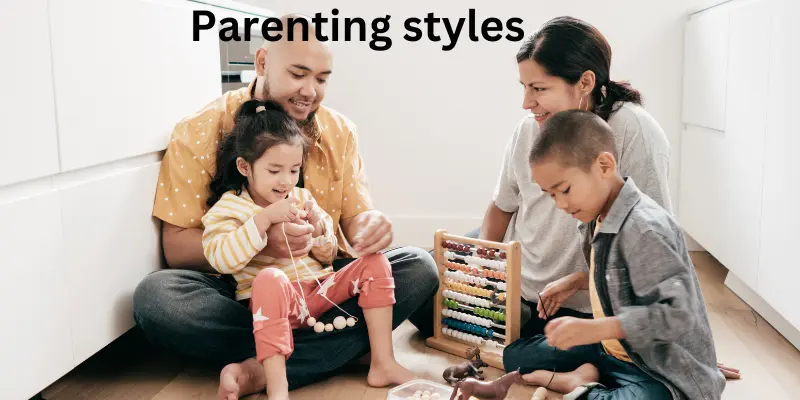
Parenting style plays a vital role in shaping a child’s emotional, social, and mental development. While no single approach is perfect, research consistently shows that a balanced style—combining warmth, structure, and open communication—produces the best outcomes. Effective parenting adapts to a child’s age, personality, and changing needs, rather than relying on rigid rules or complete freedom. By understanding different parenting styles and applying expert-backed strategies, parents can build strong relationships, encourage independence, and raise confident, resilient children prepared for life’s challenges.
Conclusion
Parenting styles shape not only childhood but the entire future of a child. While no single approach fits every family, research consistently supports parenting that balances love, structure, and communication.
The most successful parents are those who stay informed, reflect on their actions, and adapt as their children grow. By understanding different parenting styles and applying expert-backed strategies, parents can raise confident, emotionally strong, and socially responsible individuals.
Effective parenting is not about control—it’s about connection, guidance, and growth.
Please Write Your Comments